Introduction
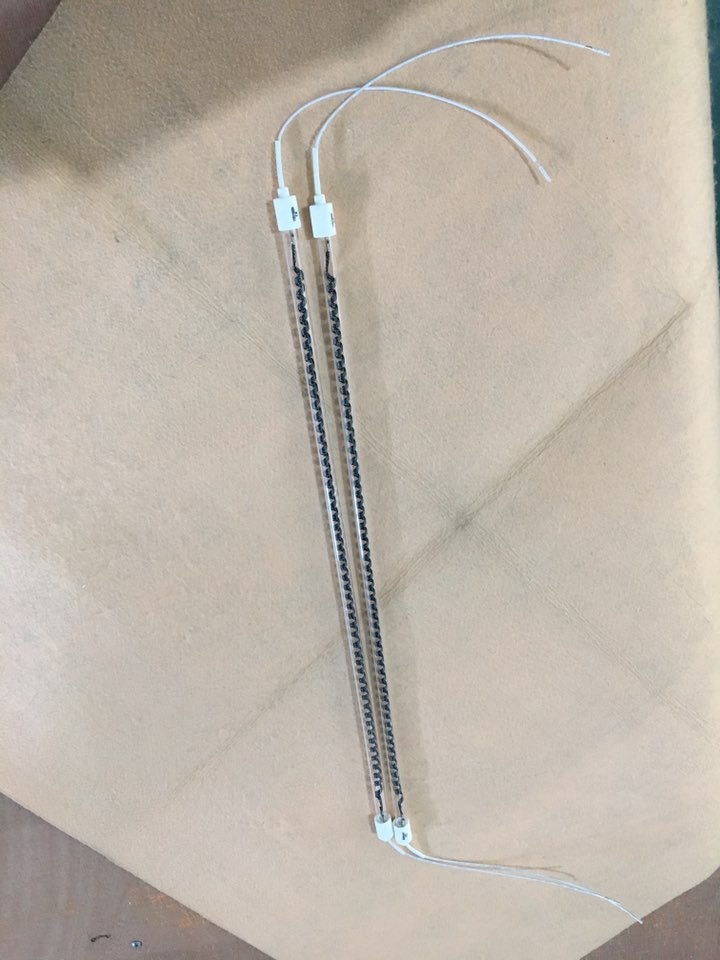
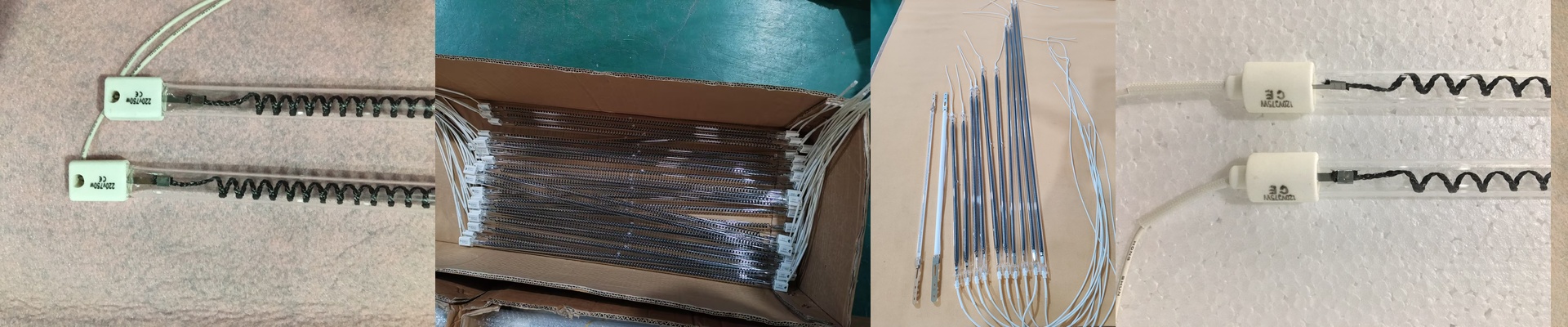
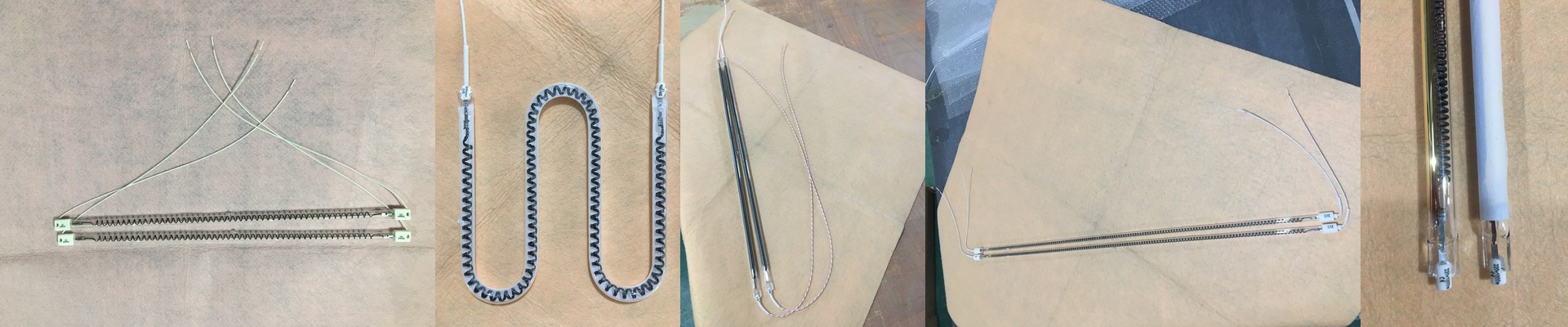
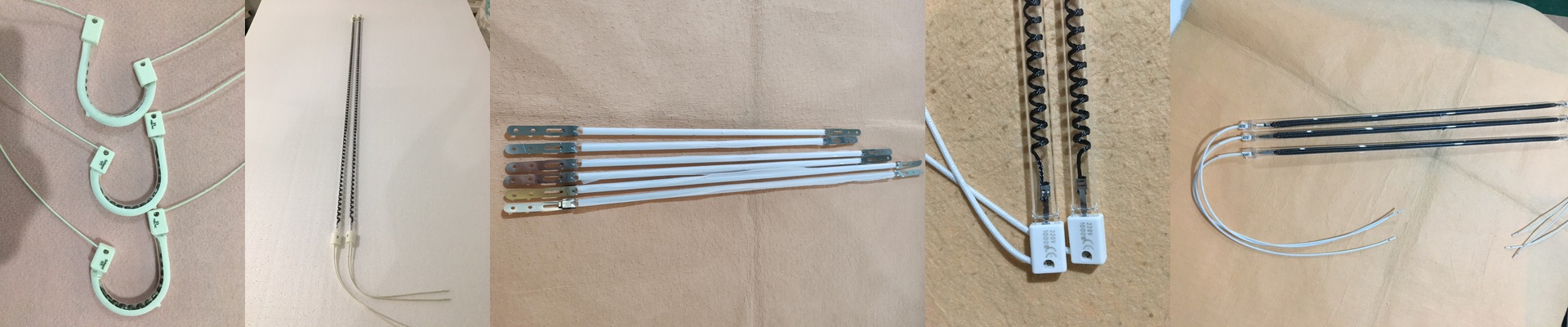
Let’s talk about barbecue carbon fiber heating. Basically, we’re looking at industrial halogen heaters with a carbon filament wrapped in a quartz tube. They’re built for one thing: blasting out intense infrared heat, fast. The whole point? Get that thermal energy straight onto the target, with zero fuss and no waiting around. For a busy barbecue line, that means your cooking temps stay rock solid, and you can recover quickly between batches.
Getting Under the Hood
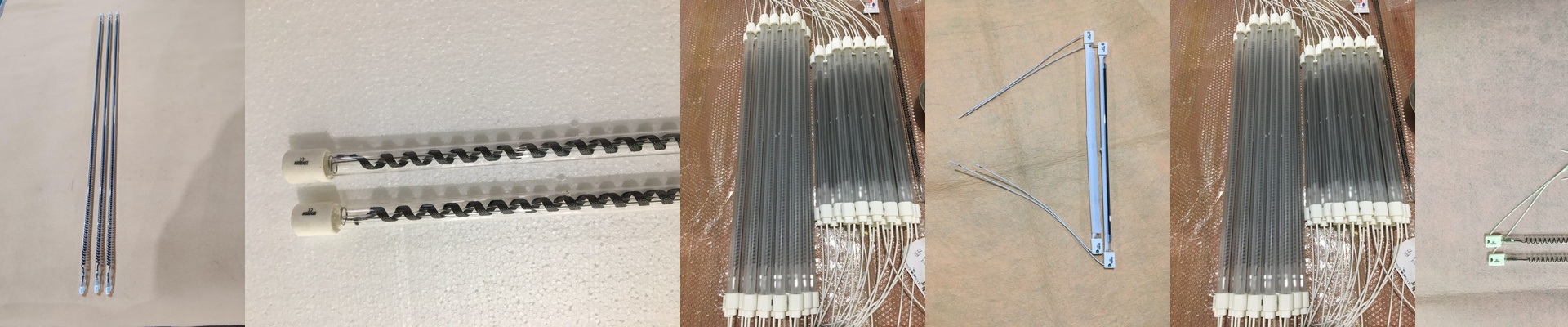
Here’s the spec sheet in plain English. These heaters are usually 400V, 2500W units, with about 300mm of active heating length. That 400V rating isn’t just a random number—it lets the heater pull more power without needing thicker wires or worrying about voltage drop. And that 2500W packed into a 300mm space? That’s how you get serious heat density. The heater fires up almost instantly and responds the moment you adjust the temperature. It’s focused, direct heat. When your production line is squeezed for space and you’re racing against tight cycle times, this kind of concentrated power is exactly what you need.
What It’s Made Of
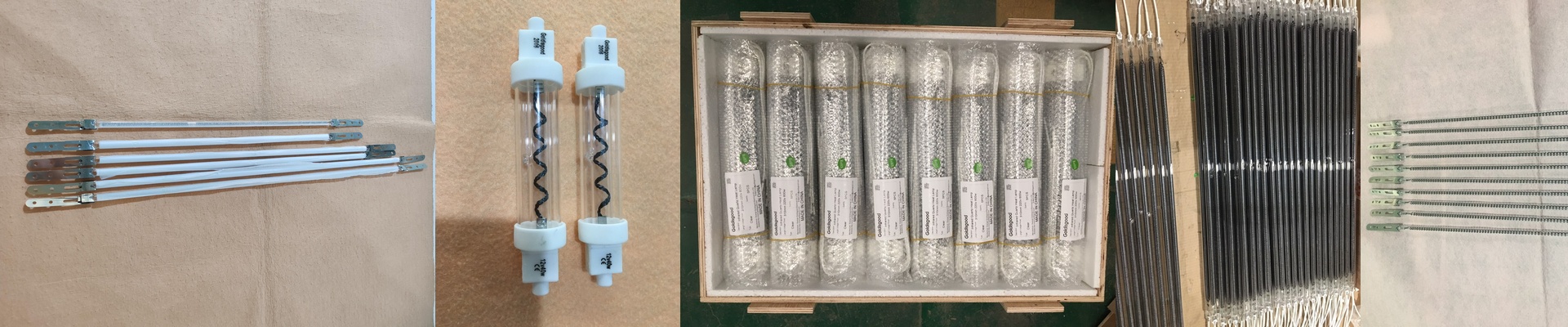
At the heart of it is the carbon filament. It gives you high resistance and stays steady, even when you’re constantly heating up and cooling down. Then there’s the quartz tube. It’s there for a reason—it can handle the shock of going from room temperature to full heat in no time, and it stays crystal clear, letting all that infrared energy through. And the R7s connector? That was a deliberate call. It’s a double-ended, linear contact fit that holds tight mechanically and keeps the electrical connection solid. It makes swapping out a unit a simple drop-in job, and it’s tough enough to handle the vibration and thermal expansion you get on a busy shop floor.
Why It Works on the Line
Out on the barbecue line, your heater has to hold its temperature even when things get crazy, without burning out. The carbon-in-quartz build handles that thermal stress and gives you predictable output, shift after shift. And when you need to get back up and running fast, that R7s connection means you can wire the unit in and be back in business with barely any downtime. There is one thing to keep in mind, though. That high heat density means you need to plan for proper thermal management. Make sure your machine housing and cooling are set up to handle the extra ambient heat. Do that, and you’ve got a heater that runs reliably, cycle after cycle, delivering the steady infrared output that high-volume barbecue production depends on.