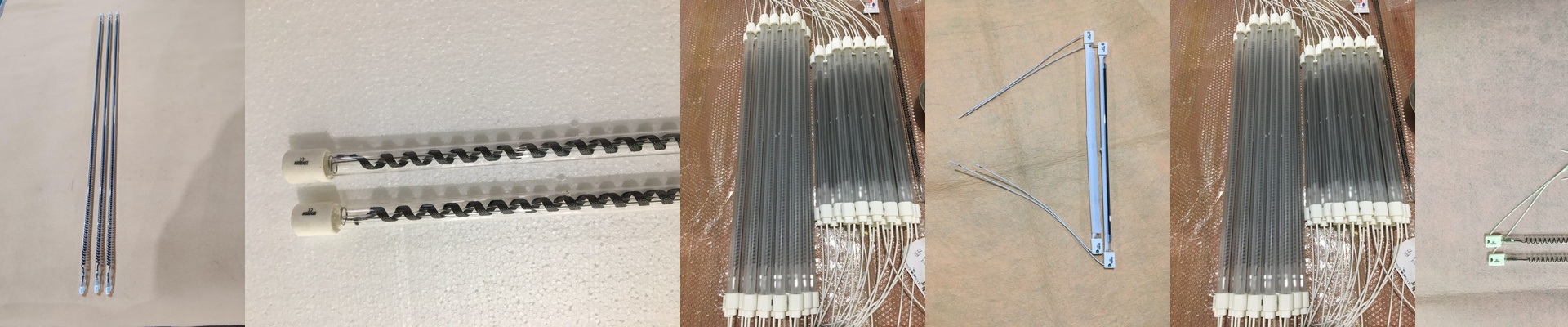
Let’s talk about Carbon Clear Infrared Lamps
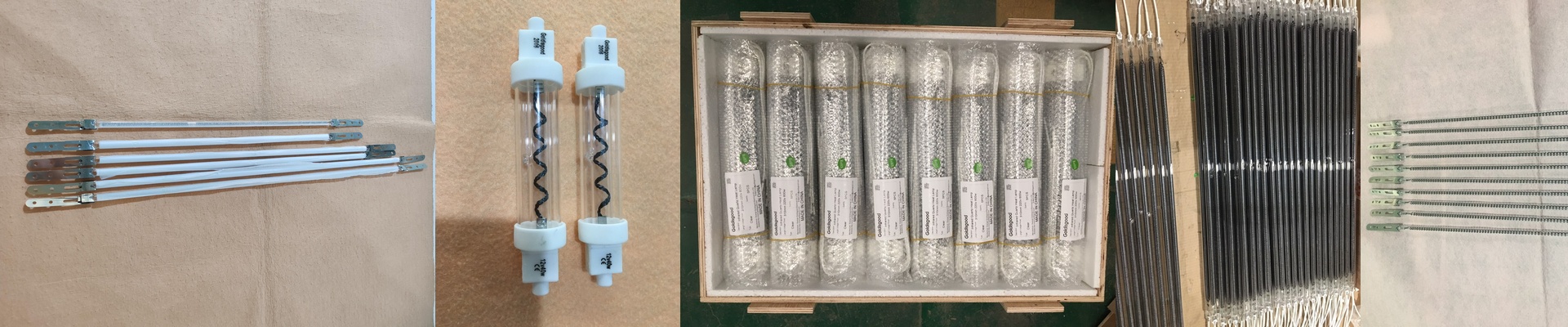
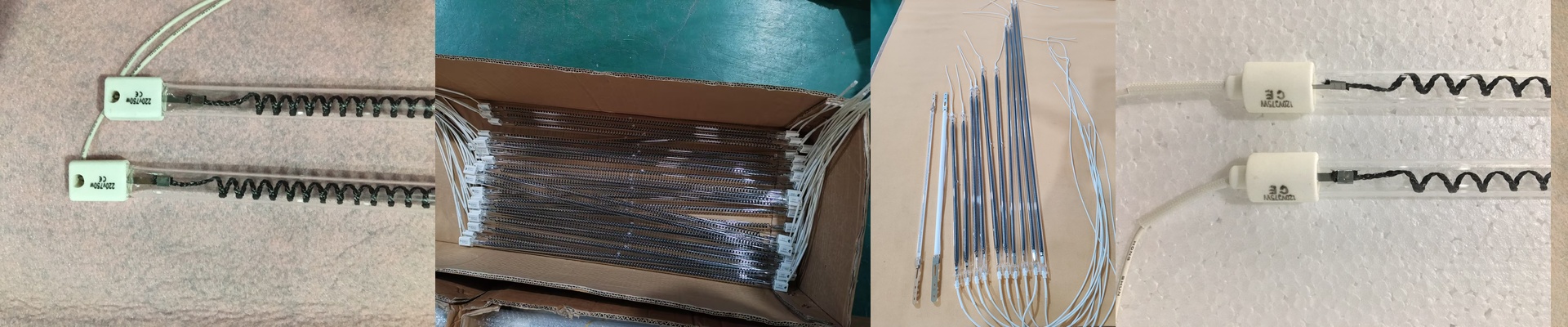
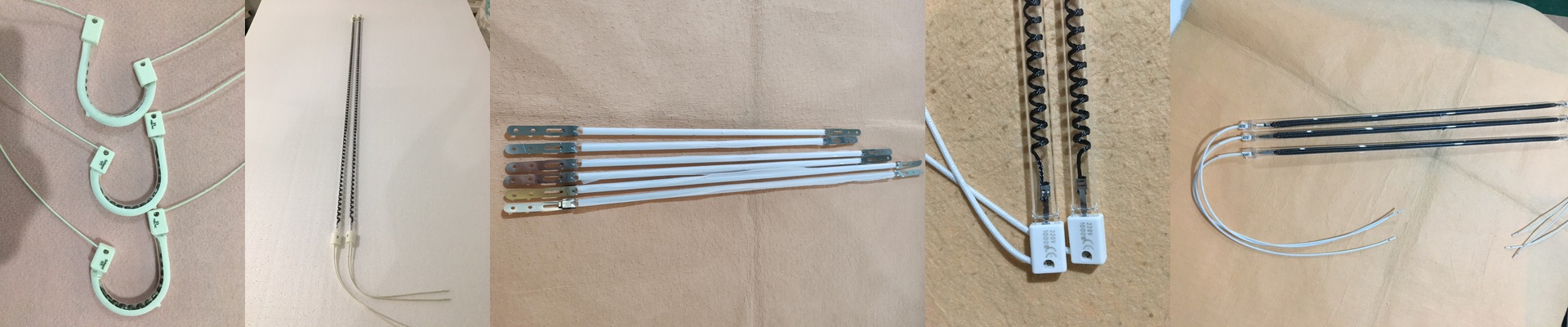
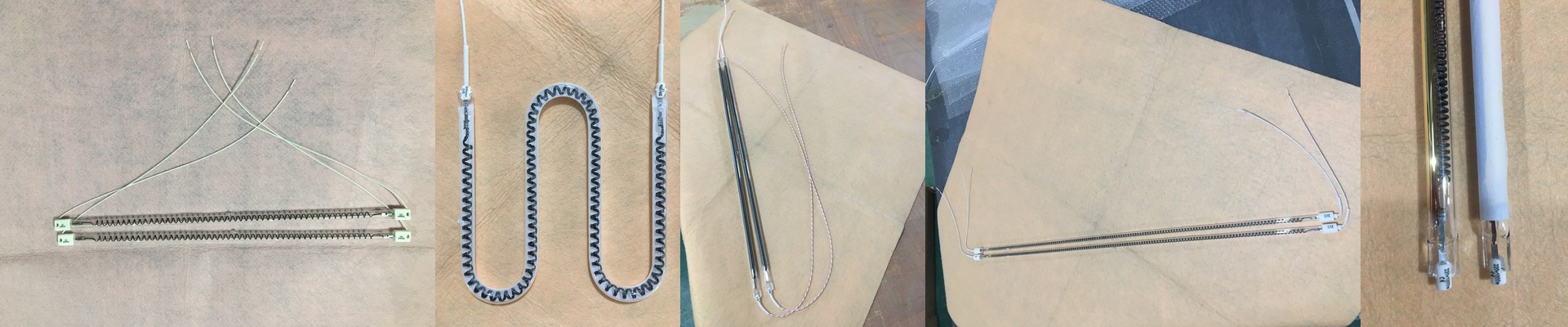
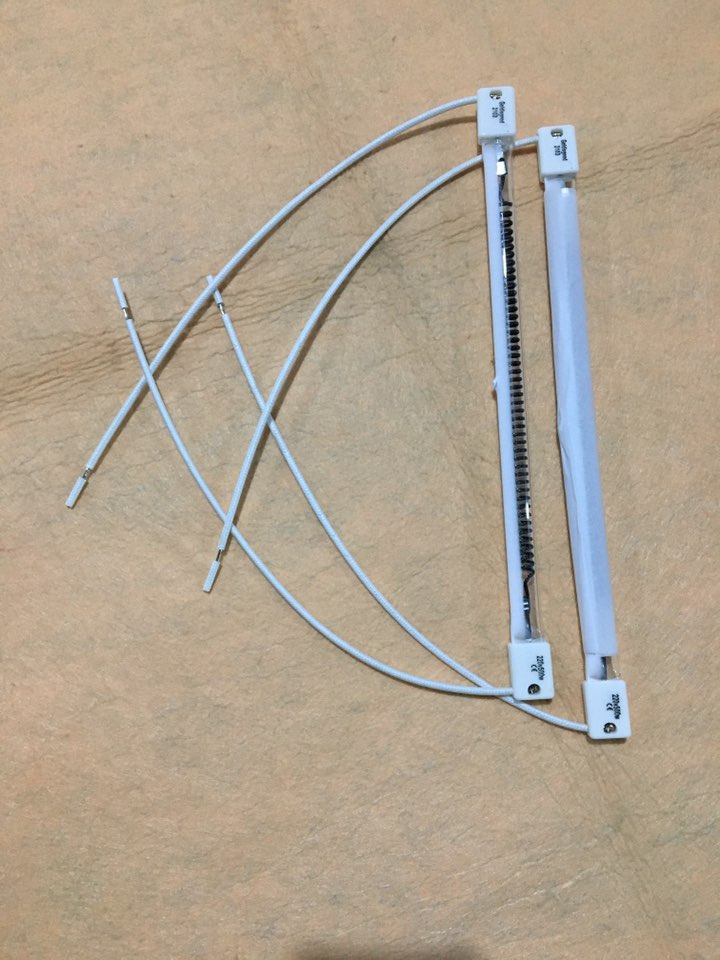
Ever wonder why some heating lamps just work better than others? It usually comes down to what’s inside. Instead of the usual halogen stuff, these lamps use a carbon-fiber filament tucked inside a quartz tube. Here’s the real benefit: they shift the heat into a medium-to-long wave range. In plain English? The heat actually sinks into your materials rather than just bouncing off the surface or relying on a blinding light to get the job done.
Getting the power right
When we build these, we tailor the wattage and voltage to fit your specific machine. If you go with a high-voltage setup, you can run longer tubes without worrying about pulling too much current. It’s a lifesaver because it keeps your control panel from overheating or burning out a wire. But a heads-up: high-wattage lamps pack a lot of heat into every inch. Just make sure your power supply can handle that initial “kick” when you flip the switch, or you’ll be spending your morning resetting tripped breakers.
The build and the “catch”
We use clear quartz glass because it lets the infrared energy fly right through without getting blocked. We also offer different connectors—like R7s or Sk15—so you can just pop them into your existing setup and get back to work. One thing I love? The carbon filament heats up way faster than metal. No more standing around waiting for the machine to warm up. But keep in mind, quartz is fragile. It’s glass, after all. If your shop has a lot of vibration or things tend to bump into the machinery,**use the spring clips.**Trust me, it’s much easier to secure them now than to clean up shattered glass later.
Putting them to work
You’ll see these most often in PET bottle blowing or curing plastics. The magic here is the uniformity. The carbon emitter spreads the heat evenly across the preform. This means you don’t get those annoying “hot spots” that make the walls of your bottles too thin in some places and thick in others. One last tip: these things put out a massive amount of energy. Make sure your fans and vents are actually doing their job. If the air around the sockets gets too hot, your connectors will fry, and you’ll be replacing them way sooner than you should.