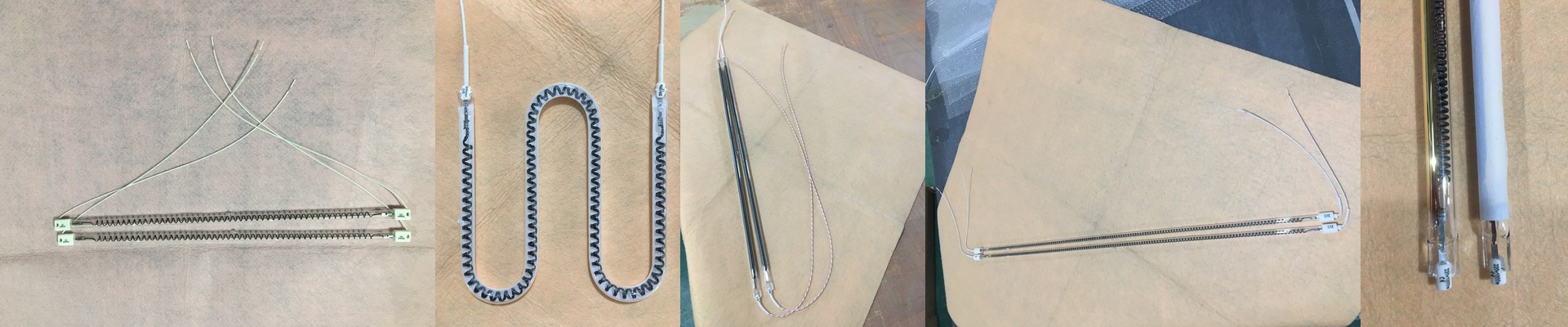
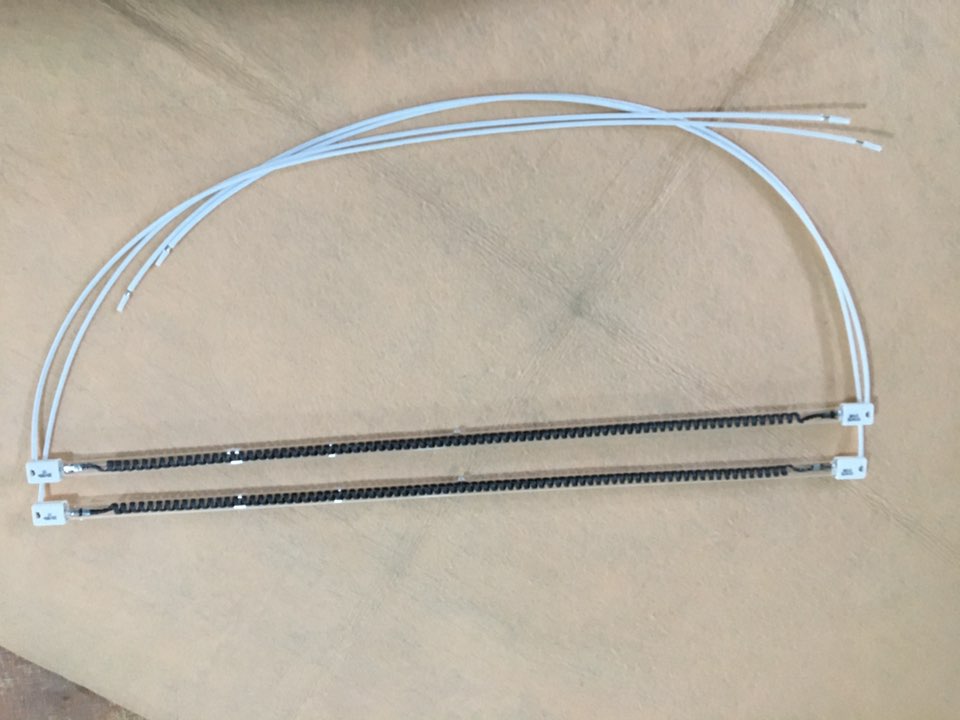
Carbon Fiber IR Heat Lamps for PET Bottle Blowing: Power, Specs, and Reliability
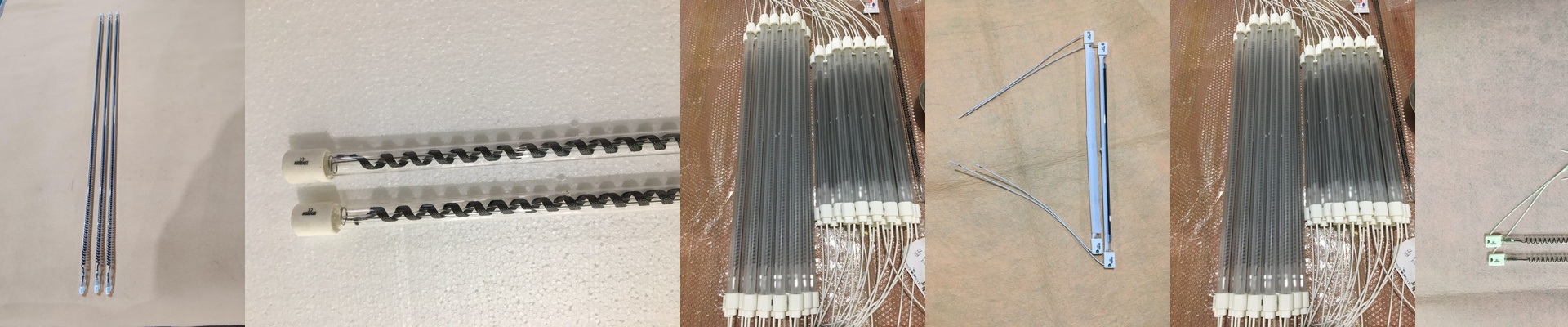
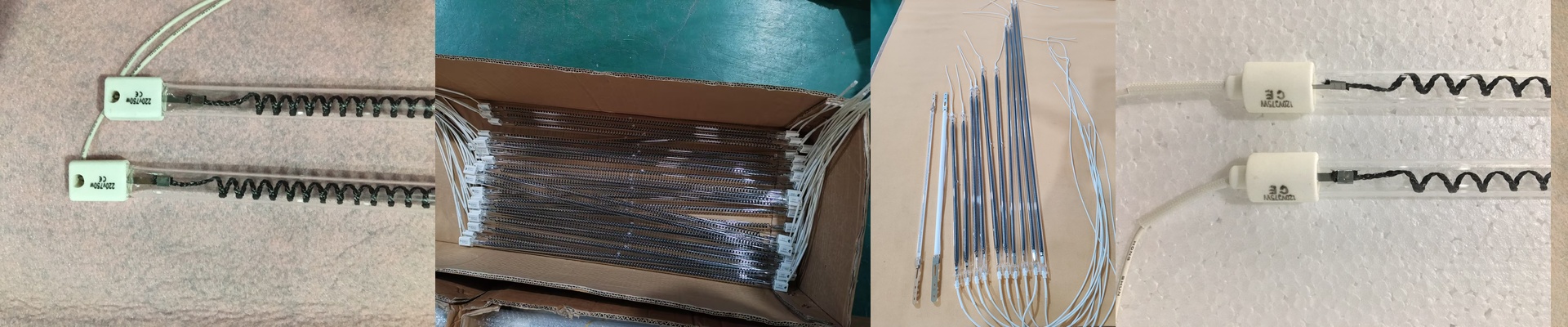
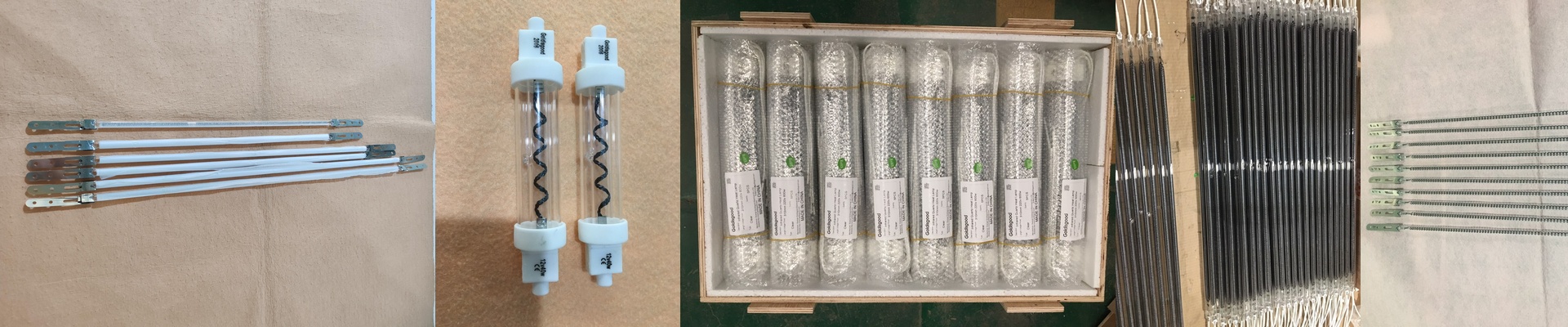
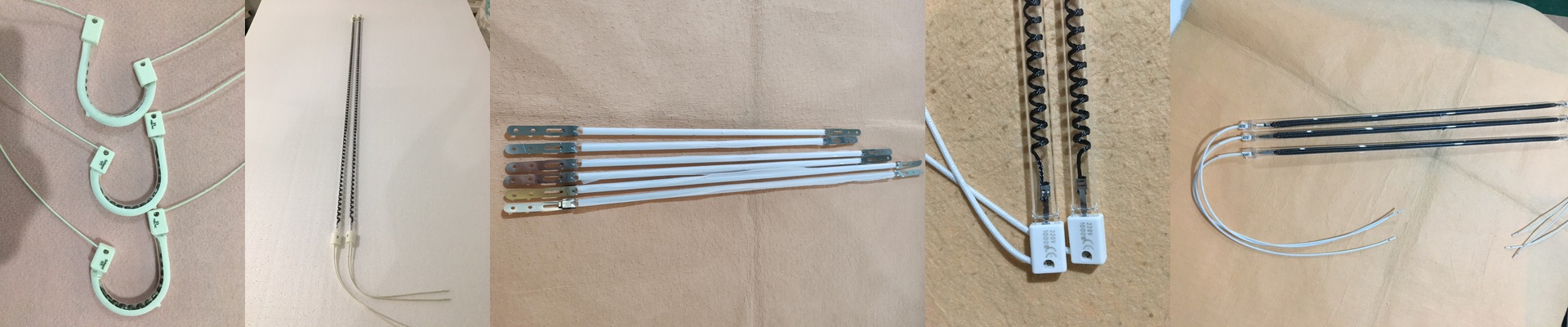
We built these carbon fiber infrared heat lamps for one reason: they belong inside PET bottle blowing machines. You need a heat source that jumps to life fast, holds steady, and drops right into your existing heater bank—without forcing you to redesign the whole mounting setup. That’s exactly how we spec these lamps: for the real world of blow-molding cells, where the heat has to be intense, repeatable, and easy to install.
Power, Voltage, and Size—What Actually Matters
On a PET blowing line, the preform has to get into a narrow temperature window quickly, then stay there—cycle after cycle. So we match the lamp’s wattage and voltage to your heater block. That way, the heat input is predictable, and you’re not pushing the circuit harder than it needs to go. And when it makes sense, we offer higher-voltage options—like 400V setups—to deliver the same power with lower current. Less current means your wiring runs are easier to manage, and you get less voltage drop across connections. But here’s the thing: size matters just as much as electrical specs. We use a common tube length—around 300mm—because it lines up with standard heater slots in blow-molding modules. That keeps the footprint compatible with the reflectors and mounting hardware you already have, so swapping lamps doesn’t turn into a re-engineering project. One practical trade-off: packing more watts into a compact tube means higher heat density. So your machine’s cooling and shielding need to be up to the job—otherwise, nearby wiring and components can end up running hotter than you want.
Materials and Design: Built to Handle the Heat
Carbon fiber infrared elements give you two big wins: fast response and stable output. That’s exactly what you need when you’re chasing consistent bottle wall thickness and a clean neck finish. The quartz envelope handles rapid temperature swings without cracking under stress. It’s built for the shock of startup and shutdown, again and again. And we choose an R7s connector because it’s secure, aligned, and simple to terminate. It’s the kind of connection you can make quickly on a production floor, while also lowering the risk of hot spots at the joint. It holds up against vibration and the constant push-pull of thermal cycling.
Why This Matters When You’re Blowing PET Bottles
During PET bottle blowing, the lamp has to get the preform to the stretch point—fast—then hold that temperature while the mold closes and the blow pin does its thing. With a carbon fiber IR lamp, you get quick warm-up and steady heat. That helps you cut scrap from off-spec bottles and keep line speed stable, instead of chasing inconsistencies. From our perspective, the whole point is simple: drop the lamp in, wire it up, and run the job. If your heater bank was designed around a standard length and a specific wattage, matching those specs is what keeps downtime low and output repeatable. No drama—just dependable heat, cycle after cycle.