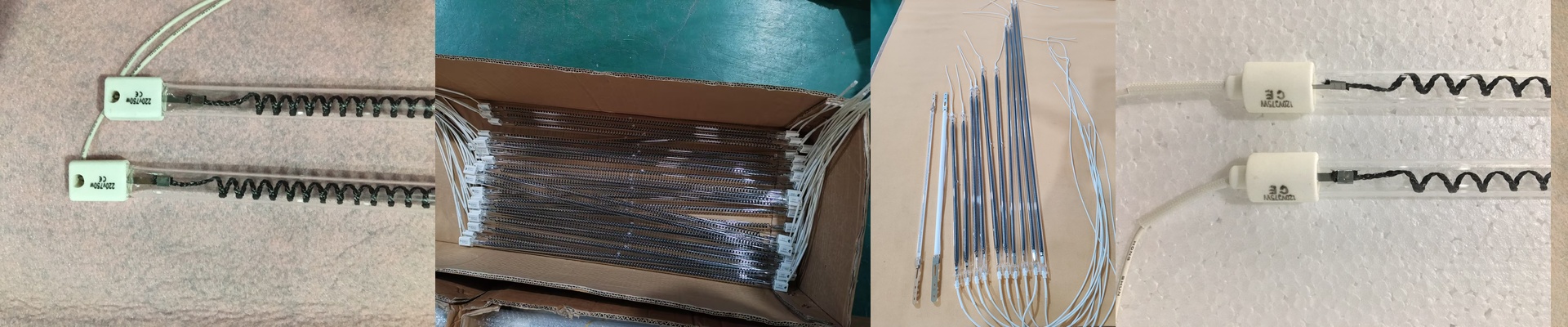
Introduction
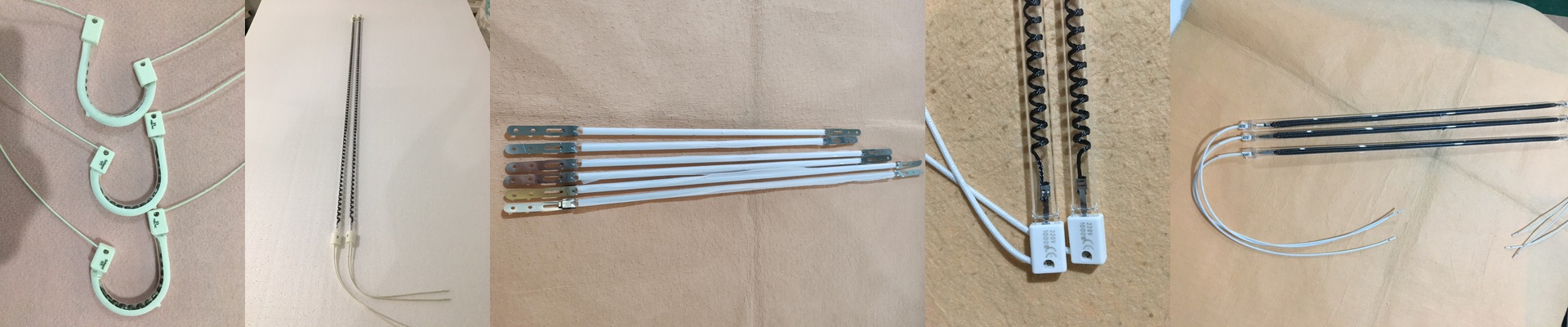
We build high-temperature infrared lamps with one mission: to give brake pad curing lines heat they can actually trust. The whole point is simple—keep the heat exactly where you need it, so you don’t get thermal cracking or porosity sneaking up on you. The payoff on the floor? Fewer rejects. Faster cycles. And part strength you can count on, batch after batch.
Power, Voltage, and Size—What It Really Means on the Line
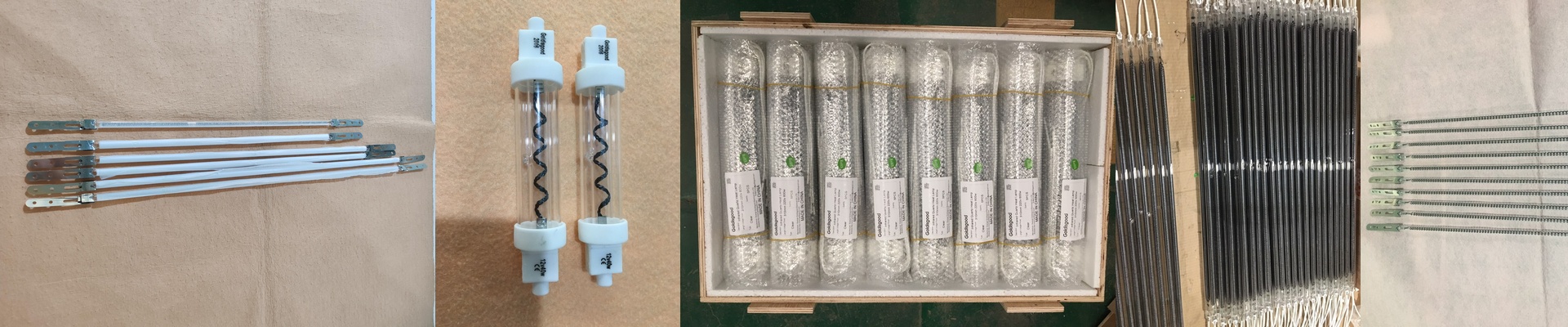
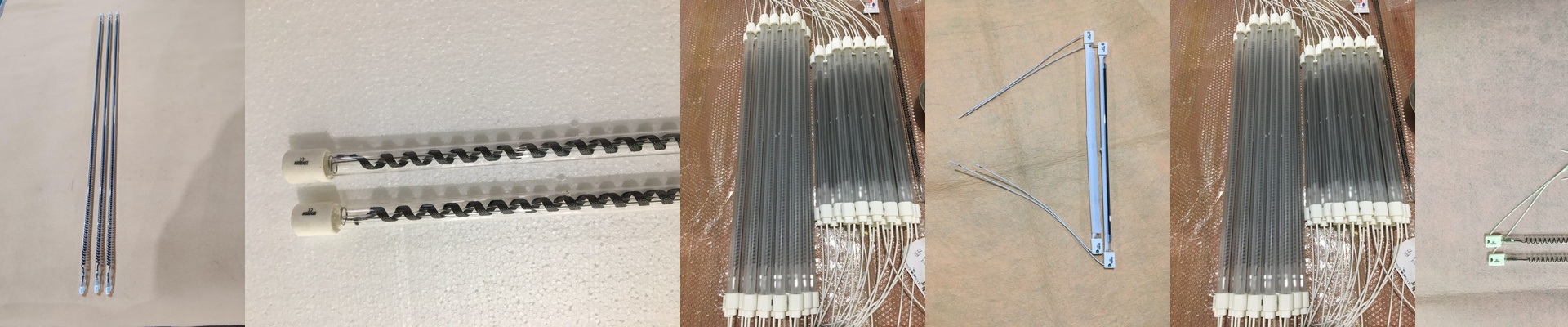
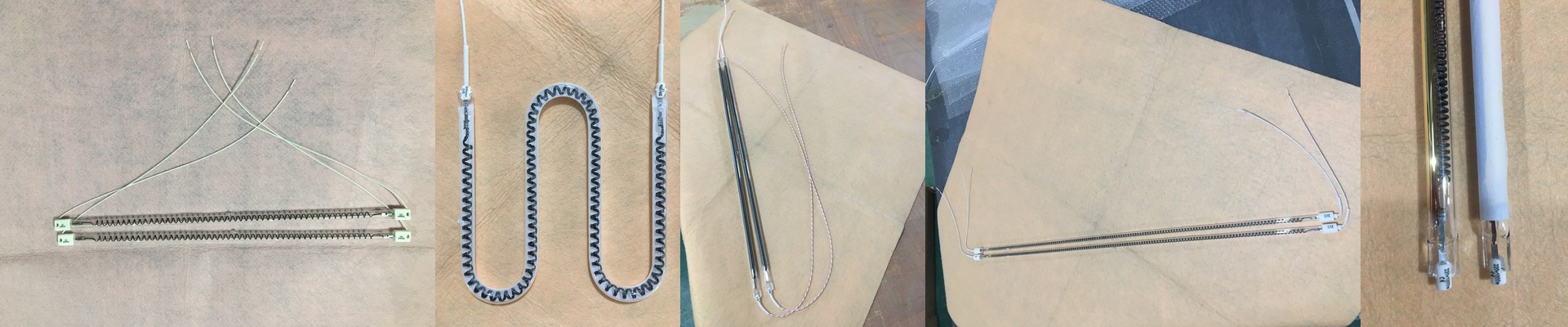
In brake pad manufacturing, the curing window is tiny. That’s why we built these lamps around a high-voltage, high-power design—so you get the heat density needed for fast, even curing. You’re running on a 400V supply, and the lamp delivers 2500W packed into a slim 300mm tube. That concentration matters. It lets you hit target temperature fast, without having to heat up the entire oven. And because the heating distance is short, the system doesn’t lag. When temperature starts to drift, your control responds right away. Here’s the reality check that comes with that kind of power density: you need proper cooling and a smart electrical layout. Size your busbars correctly, plan your airflow from the start, and the lamp runs stable—no hot spots, no surprises.
Built to Take the Heat: Coating, Quartz, and Connectors
At the heart of the lamp is a quartz envelope, paired with a specialized reflective coating. The coating does one job really well: it keeps infrared energy focused down onto the brake pad surface. That focus cuts sidewall losses and keeps the temperature profile consistent across the part. Quartz also handles the shock of rapid on/off cycling without cracking—which matters when you’re ramping up and down between batches. For installation, we use R7s connectors. They’re robust, handle high current, and you don’t need a tool to make solid contacts. Alignment is straightforward, so wiring is quick and swapping lamps on the line doesn’t turn into a rewiring project. And because the lamp seats squarely in the reflector every time, you keep the focal point right where it should be—so heat distribution stays true.
The Problem It Solves: Controlling Heat to Kill Defects
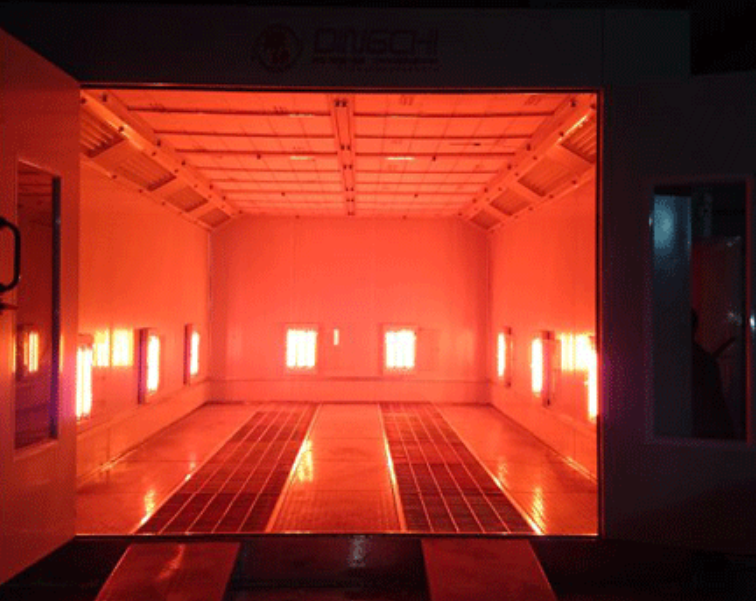
On the shop floor, the real headache is heat variation during curing. Uneven heating creates micro-cracks and trapped gas porosity—those weak spots that later show up as noise and failures. Our infrared lamps team up with closed-loop infrared temperature sensors and a PLC controller to hold the curing profile within tight limits. The lamp reacts fast, so you can correct a deviation the moment it shows up, instead of letting the part bake too long or too hot. That repeatable control means the brake pad cures evenly, the binder cross-links properly, and the structural integrity stays consistent. For your line, that looks like less scrap, predictable output, and a process you can actually audit with real temperature data.
The Straight-Up Reality
High-temperature infrared lamps give you the control you need, but they aren’t a “drop it in anywhere” solution. Match the lamp to your reflector geometry, confirm voltage and clearance, and build in proper cooling. Do that, and the system runs with the kind of stability quality brake pad production demands.