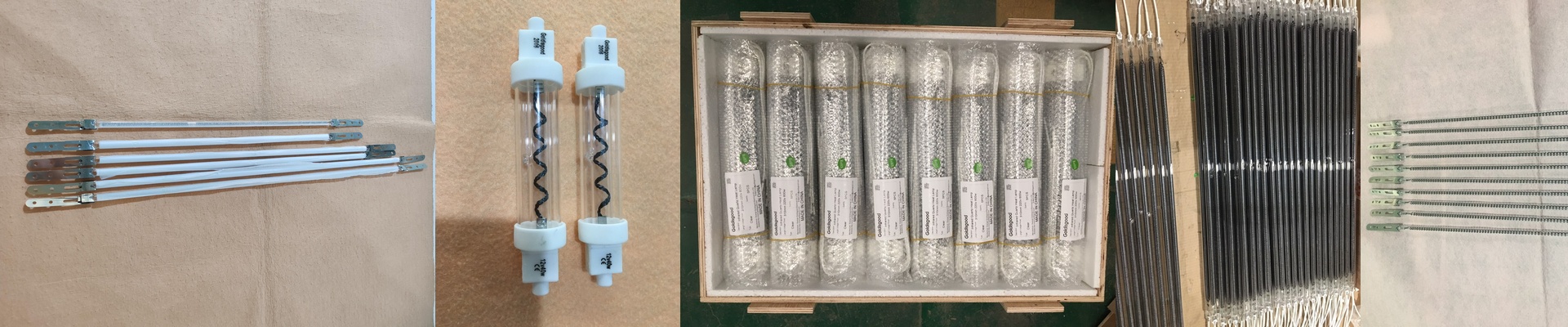
Getting to the Heart of Infrared Carbon Heat Lamps
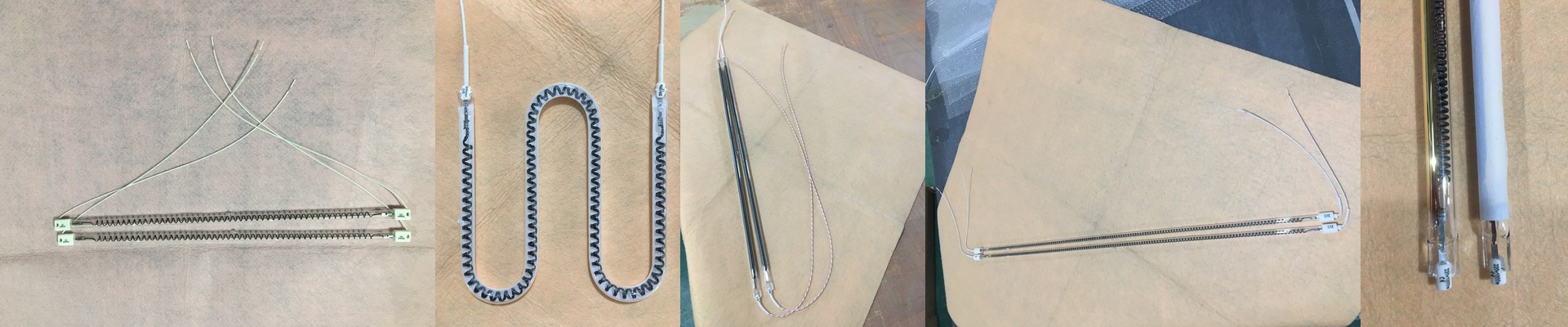
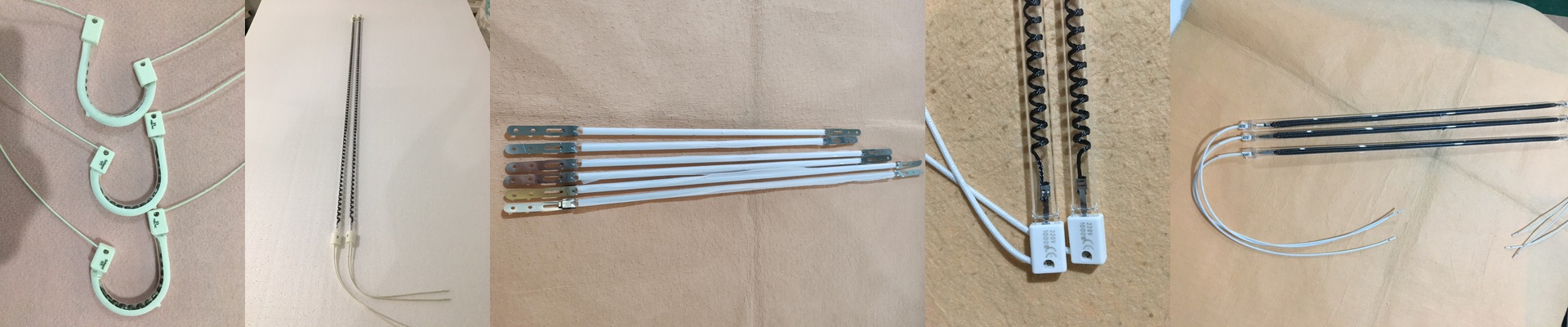
Let’s talk about these industrial infrared carbon heat lamps. They’re not just another piece of equipment—they’re a focused workhorse, built for spot heating and drying processes that need precision. At the core of it all is the carbon filament. It runs hot—really hot—to pump out that intense, targeted infrared heat. Now, the specs aren’t just numbers on a page. They matter. A higher wattage means more heat packed into a small space, but it also means you need a power supply that can truly handle the load. Take a 400V setup, for example. You go with that to push the power across a distance without losing steam. But that means your control panel’s contactors and wiring have to be on the same level. And the tube length? Whether it’s 300mm or 600mm, that directly sets the size of your heating zone.
What’s Inside the Tube
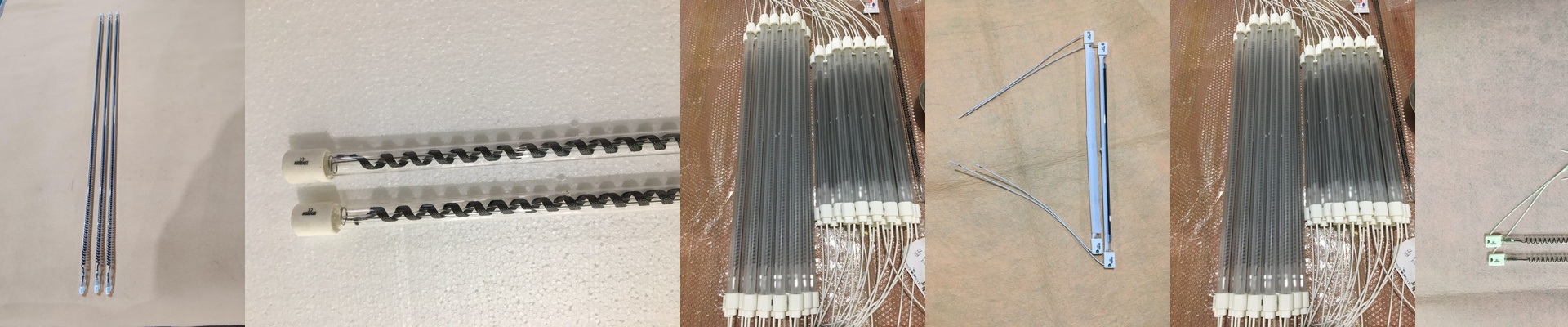
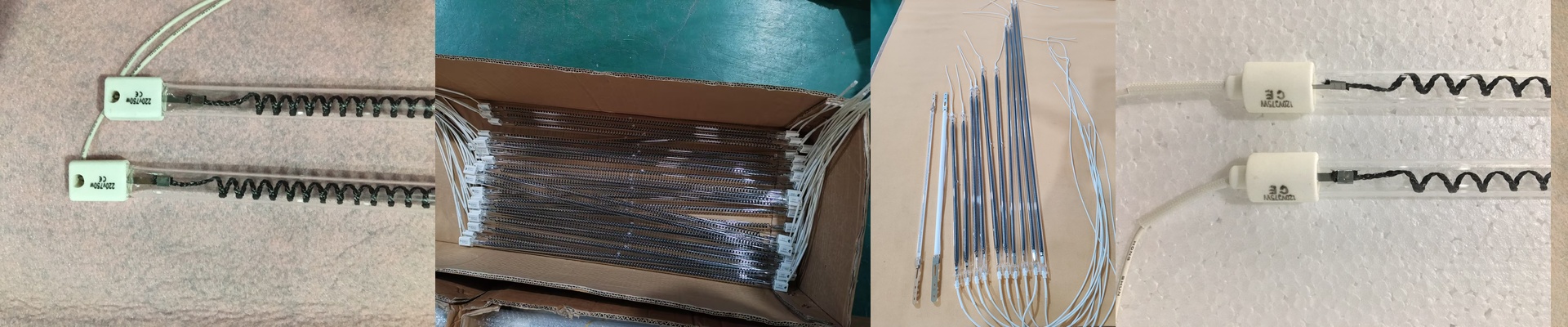
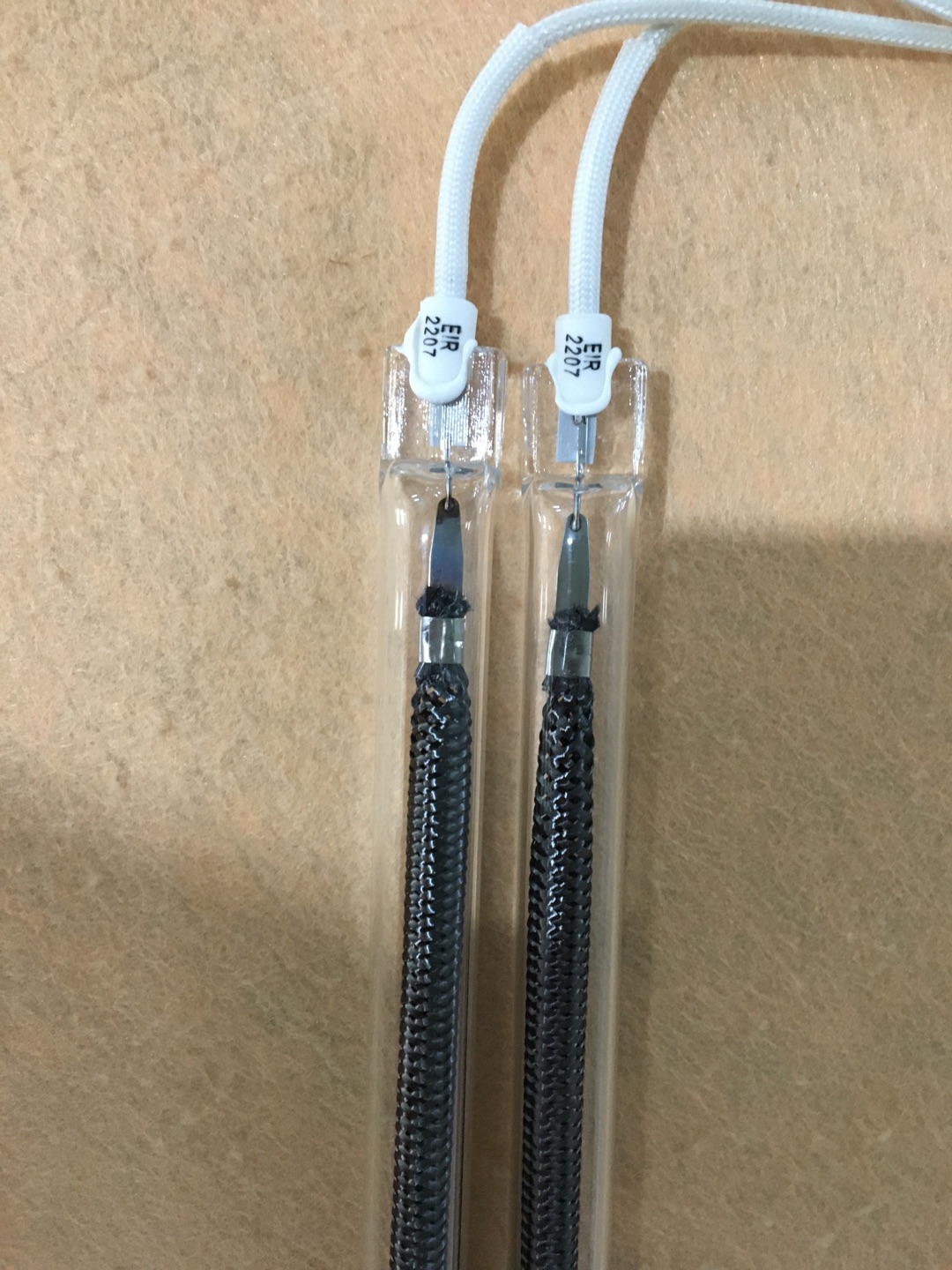
The quartz tube isn’t just a shell. It’s built to take the heat—again and again—without cracking under the pressure of rapid temperature changes. Inside, that halogen gas fill does the quiet work of keeping the filament healthy. It stops those nasty hot spots from forming, which means a longer life and fewer surprises. And that reflective or gold coating? It’s not for looks. It’s there to bounce the infrared energy forward, making the lamp more efficient and keeping the heat aimed exactly where you need it. Then you’ve got the connectors—R7s or SK15. These aren’t chosen by accident. They’re made to live in high-temperature environments, giving you a solid, low-resistance connection that won’t loosen up or melt down during long runs. The whole thing is designed to be a simple, reliable swap-in for existing fixtures.
The Real-World Trade-offs
These lamps are built for the tough stuff: PET blowing, curing coatings, thermoforming. The carbon filament responds fast, which gives you the kind of temperature control that keeps your line moving and your product quality consistent. But here’s the catch. That intense heat output means the lamp itself gets scorching hot. So you have to plan for it. Shielding and cooling systems aren’t optional—they’re part of the deal. You need them to protect nearby components and keep everyone safe. The lamp delivers the heat, but you’ve got to manage the leftovers. That’s why you look at the whole system, not just the lamp. You’re getting a focused heat source, and you have to be ready for the thermal footprint it leaves behind on your machine.
- Manufacturer
- Infrared
- Carbon
- Heat
- Lamp
- Prices
- 220v-2000w-Half-White-Coating-Infrared-Quartz-Heat-Lamp-With-Sk15-for-Pet-Blowing-Machines
- 1500w-230v-Sk15-Half-White-Ir-Heater-Lamp-Halogen-Infrared-Heat-Lamp-for-Pet-Bottle-Blowing-Machine
- 1000w 440v Sk15 Half White Plated Halogen Infrared Heat Lamp for Pet Bottle Blowing Machine