Keeping the Heat Steady in Brake Pad Production
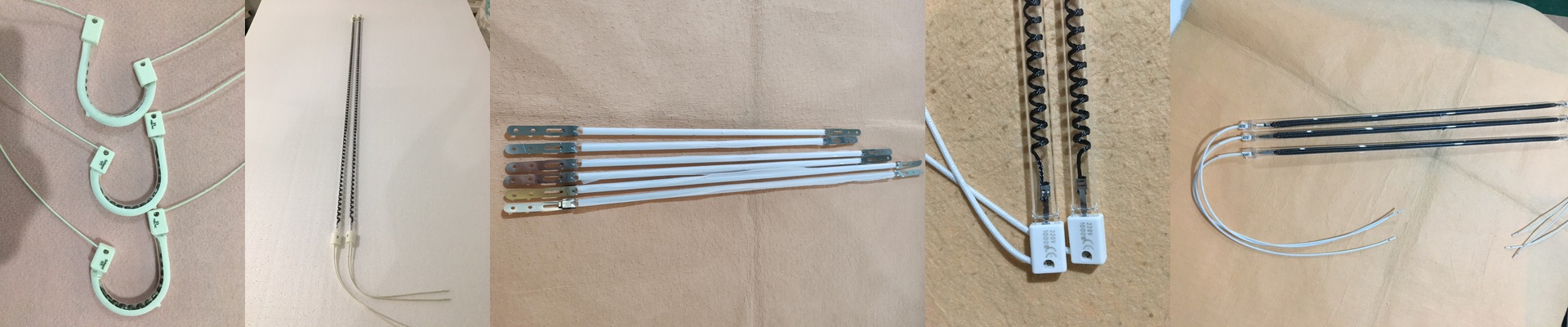
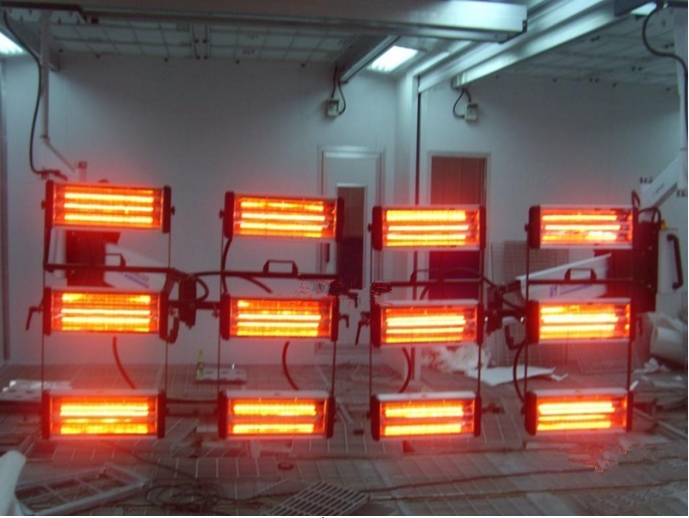
If you’re running a brake pad line 24/7, you know that “just adding heat” isn’t enough. You need it to be steady. Here’s the problem: in surface treatment, if your infrared (IR) output dips even a little, the curing gets uneven. That means scrapped parts, failed checks, and a lot of wasted time. It’s a headache nobody wants. That’s why we build our IR modules to kill those power fluctuations before they start. Stopping the dip To keep the power flat across a long shift, you have to look at the thermal load and how the power actually hits the system. Most of the time, things go wrong because heating elements can’t handle the constant cycling, or the voltage just drops when the load hits. We use industrial-grade quartz glass and high-density filaments that don’t sag. When the filament keeps its shape, the heat stays where it belongs. But you can’t ignore the electrics. To stop that annoying flickering or those random power dips, we use heavy-duty controllers. If your input voltage swings, your heat swings. Simple as that. We fix this with stabilized power modules that lock in the wattage, even if your grid is noisy. The balancing act: Heat vs. Cooling High-power IR modules get the job done fast, but they put off a massive amount of ambient heat. If you cram these modules too tightly into a custom line, you’re asking for trouble. You could melt your wiring or chew up your conveyor belt. You’ve got to make sure your fans and vents can actually handle the total kilowatt load. If the housing gets too hot, the electronics will throttle themselves to survive, and there goes your stability. Making it easy to live with We design these modules as drop-in replacements. We use standard connectors so you can swap a module out in a few minutes. No need to rewire the whole rack or spend half a day on a repair. It keeps your downtime short. By sticking to pure materials and tight electrical tolerances, we make sure the line just… runs. No drifting. No guessing. Just steady heat.