Picking the Right IR Lamps for Your Brake Pads
If you’re curing resins and stabilizing friction material on brake pads, you already know that getting the heat exactly right is a pain. You can’t just throw any old lamp at the problem and hope for the best. Ceramic and semi-metallic pads just don’t play by the same rules.
It’s all about how the material “feels” the heat
Here is the thing: ceramic and semi-metallic pads absorb infrared (IR) radiation differently. Ceramics tend to bounce a lot of that IR spectrum right back. If you use a standard lamp, you’ll end up with a scorched surface while the core is still raw. Then you’ve got your semi-metallics. Since they’re packed with copper or steel fibers, they soak up heat fast. Too fast. That’s how you get hot spots that ruin a batch. The trick is matching the wavelength to the material. We lean toward short-wave IR because it actually punches through the material. It gets deep into the pad so the bond between the friction material and the backing plate sets properly, without cooking the top layer.
Getting the hardware right
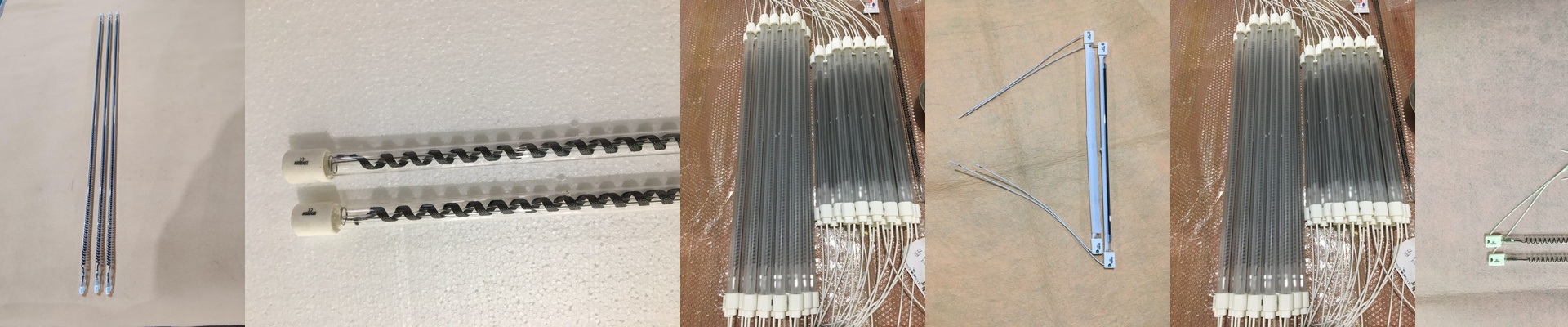
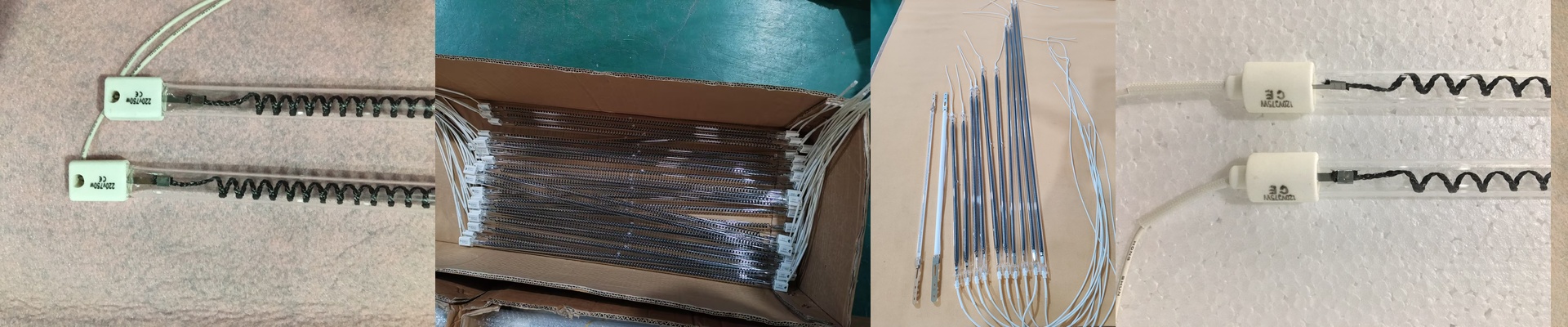
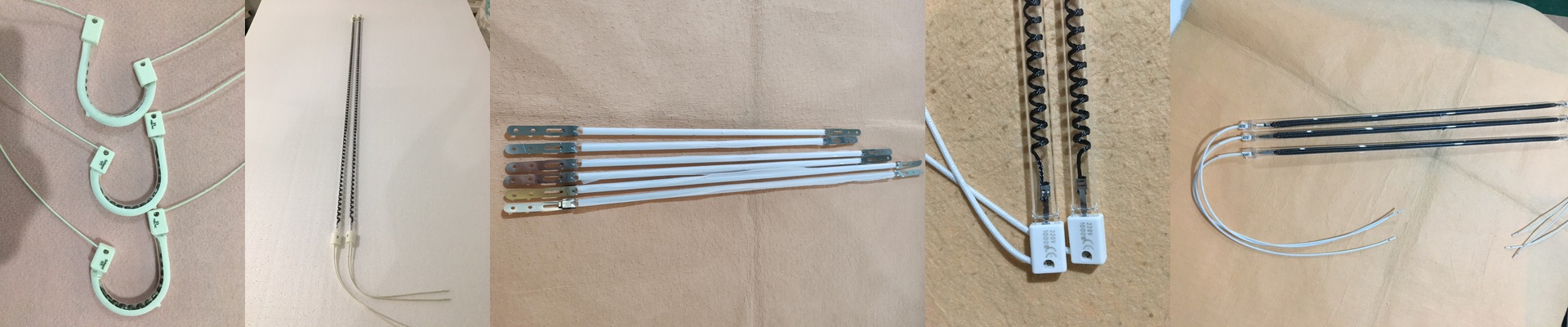
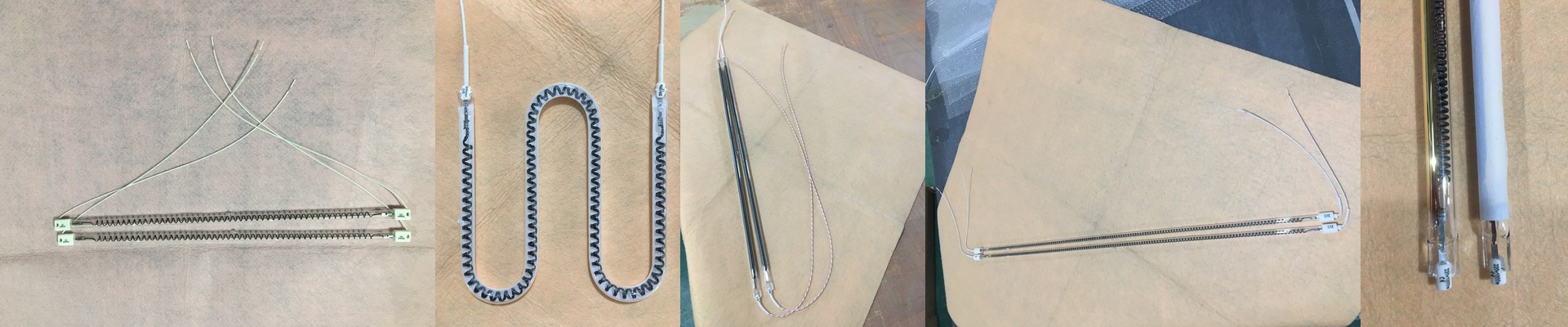
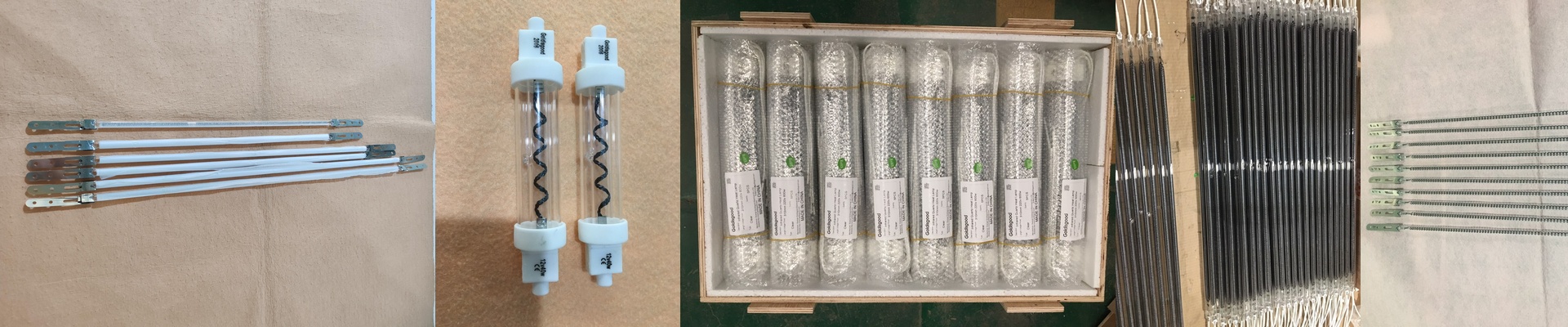
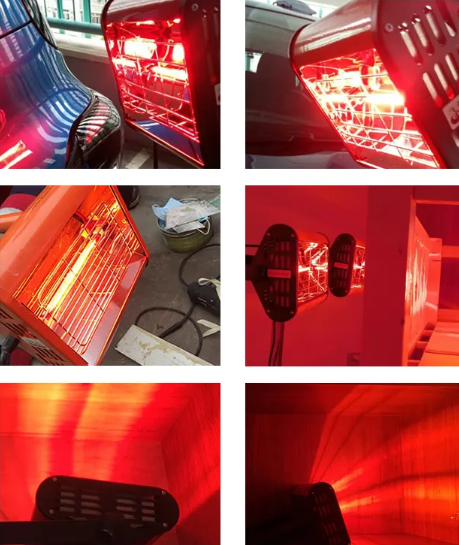
When you’re wiring this up, your wattage and voltage have to dance perfectly with your conveyor speed. Want to speed up the line? You’ll need higher wattage density to keep the dwell time short. We usually stick with quartz-halogen tubes. They can take the brutal heat needed for rapid curing without giving up. But watch your space. If you cram too many high-wattage lamps into a tiny chamber, you’re basically building an oven that’ll bake your machine frame. Make sure your cooling fans are actually beefy enough to handle the heat coming off those housings.
The trade-offs
Matching the lamp to the material is the best way to stop throwing scrap in the bin. But there’s a catch. Tuning for maximum absorption usually means the lamps run hotter. And when they run hotter, they’re more sensitive. One voltage spike from your power supply and—pop—there goes your filament. To stop that from happening, I highly recommend using stabilized power controllers. It’s a simple move that keeps your tubes alive much longer.