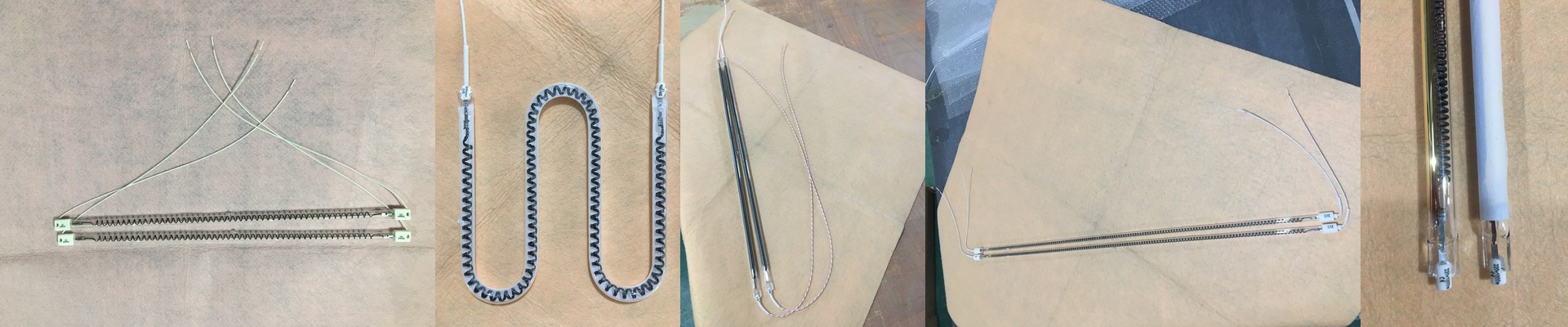
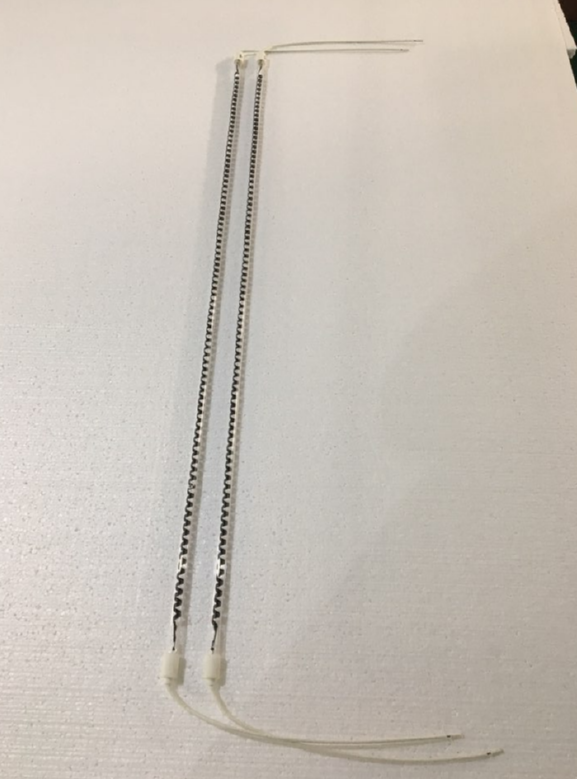
What is a Carbon Fiber Heating element?
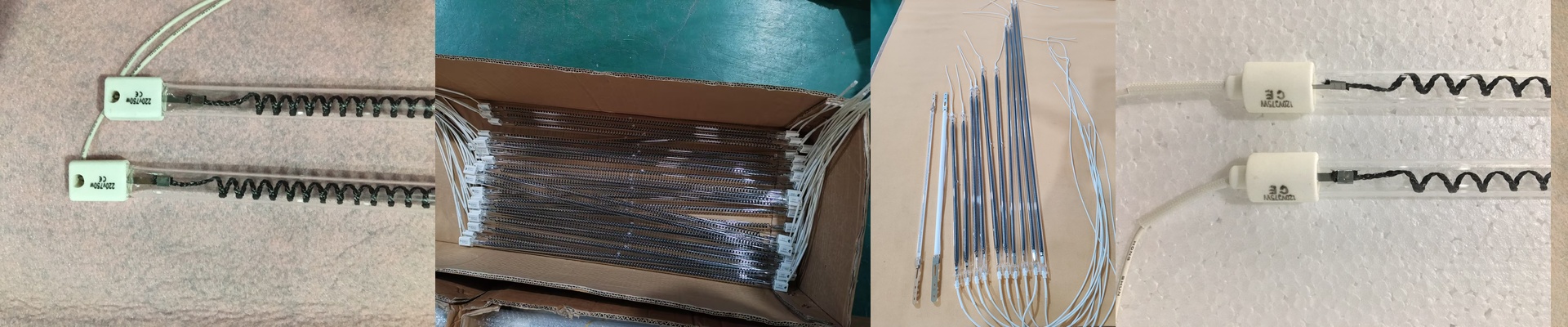
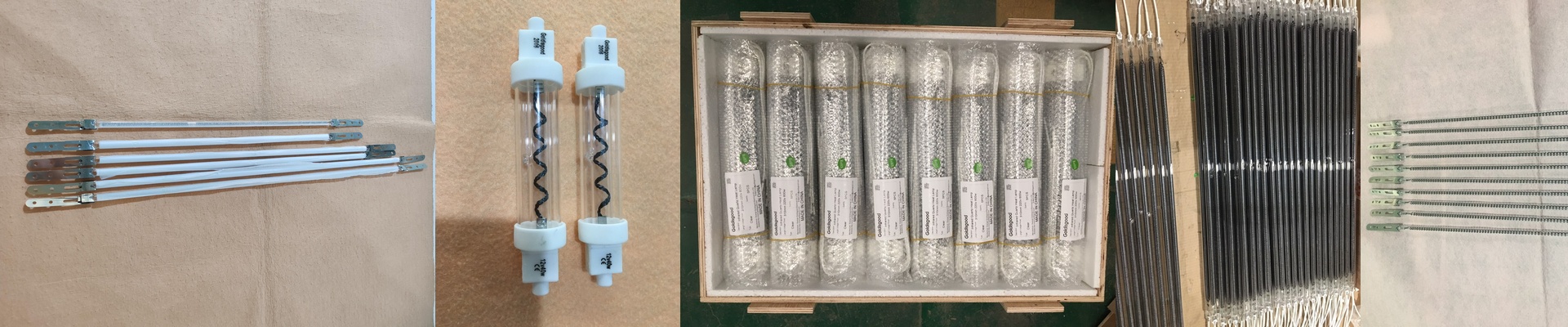
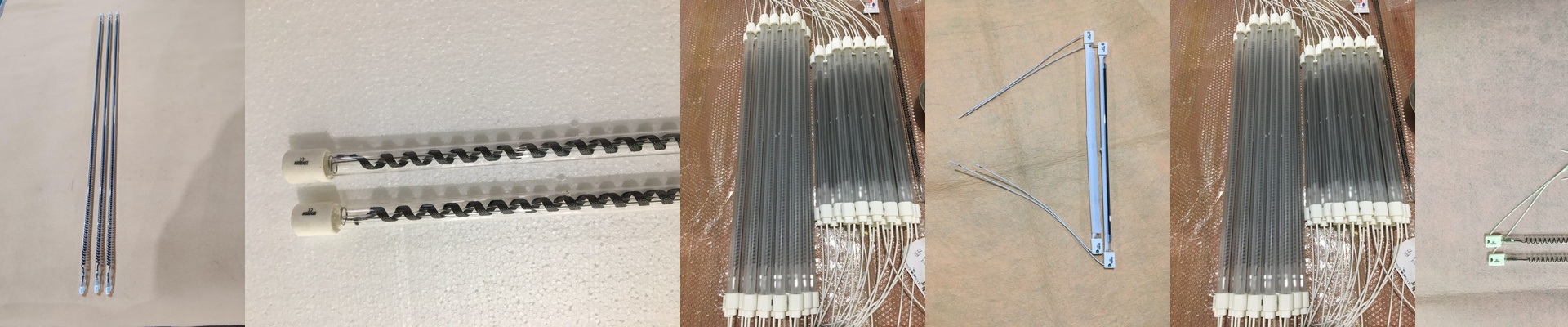
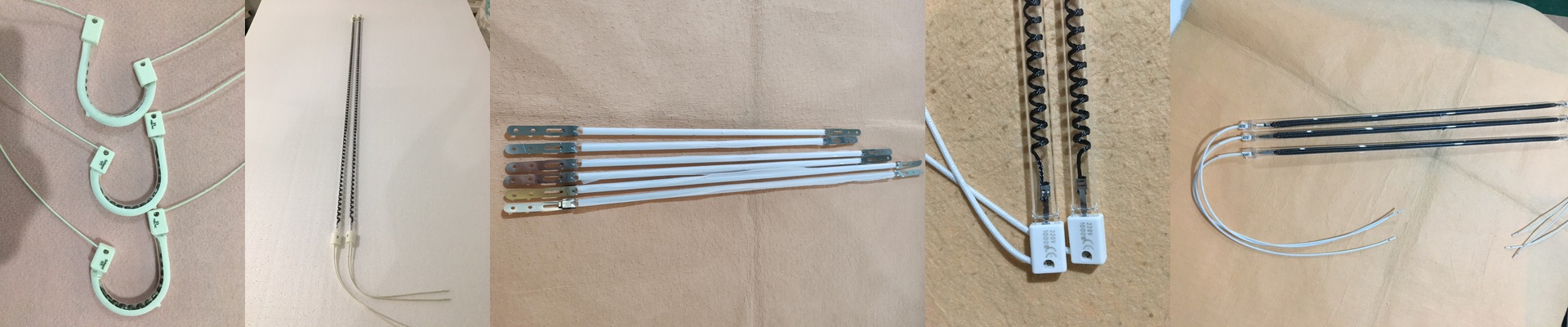
Think of a carbon fiber heating element like the heavy-duty heart of a serious heating job. It’s built around a carbon filament core, tucked inside a quartz sleeve, and runs on a halogen cycle. We designed it to throw out fast, intense infrared heat—the kind you need when the work is tough and the stakes are real. If you need a heater that’s compact, tough, and doesn’t quit when the day gets rough, this is it.
Power, Packed Into a Small Space
These elements are all about high power density. We’re talking 2500W running on a 400V circuit. That kind of punch means serious heat from a very small footprint—perfect when space is tight. The length, like 300mm on the tube, isn’t arbitrary. It’s sized to fit specific machines cleanly. But here’s the catch: that kind of heat puts a load on the surrounding area. Make sure the equipment around it has enough cooling to handle the extra warmth.
The Build That Makes It Reliable
Inside, the carbon fiber filament is the real workhorse. It heats up fast and handles thermal shock way better than old-school wire. Then there’s the quartz tube, filled with halogen gas. That gas keeps the filament clean and prevents blackening, which helps the whole thing last longer. We use R7s connectors because life’s too short for finicky installs. It’s a straight-in replacement. You wire it up, and the connection stays solid—even when things vibrate—without needing extra mounting hardware.
Where It Shines
You’ll see these elements in places like PET blowing and other plastic processing lines, where heating has to be precise and fast. The combo of high heat density and the halogen cycle keeps performance steady over thousands of hours. In practice, that means your process stays consistent, and you spend less time dealing with surprise shutdowns just to swap out lamps.
A Quick Reality Check
The carbon core is tough, no question. But the quartz envelope? It’s still brittle. So when you’re installing it, treat it gently. A little care up front saves a lot of headaches later.