Getting to the Heart of Power and Voltage
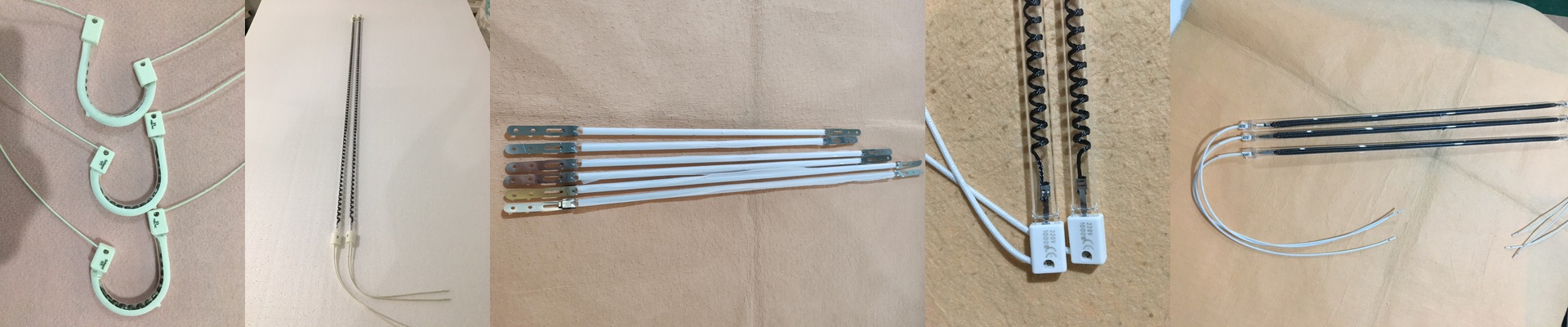
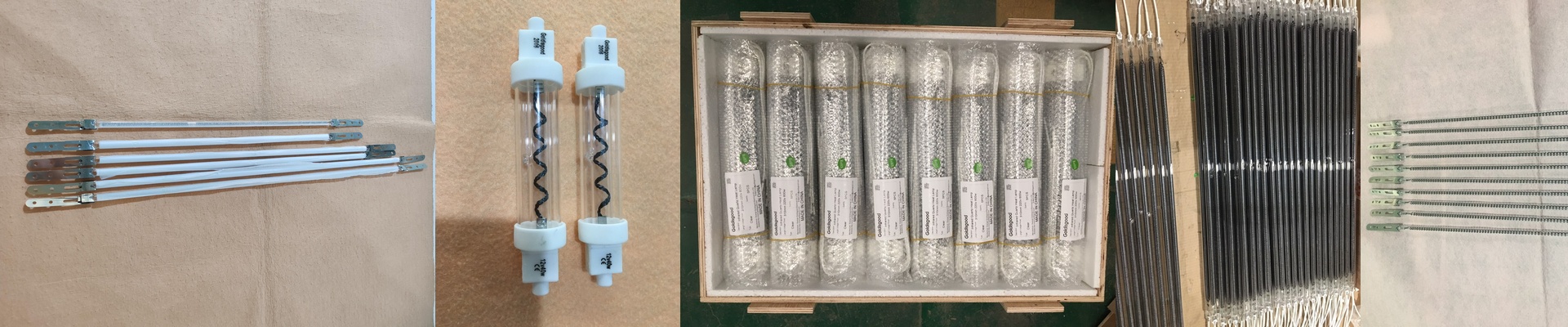
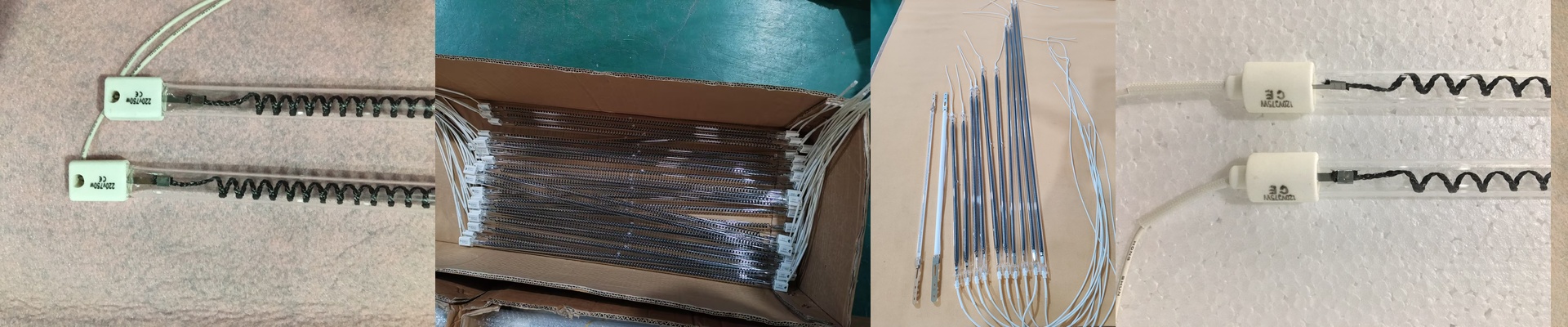
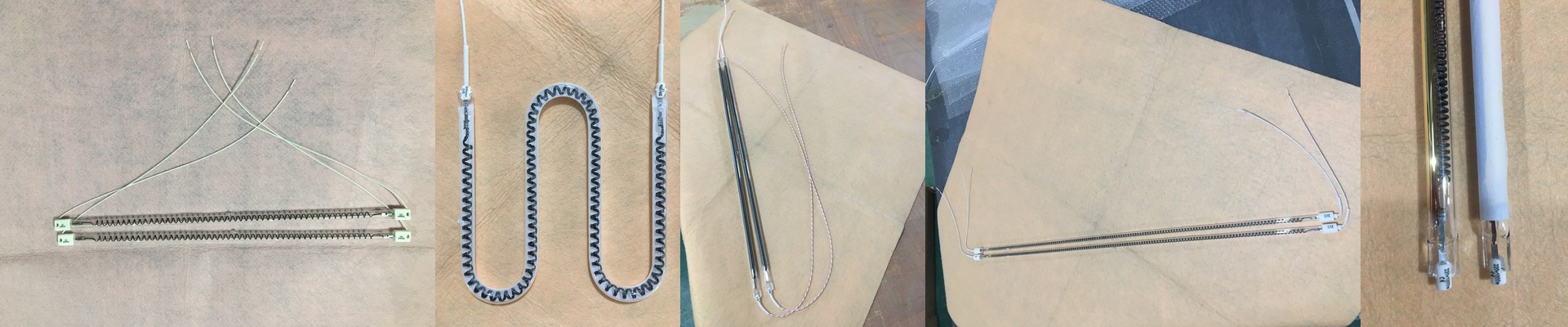
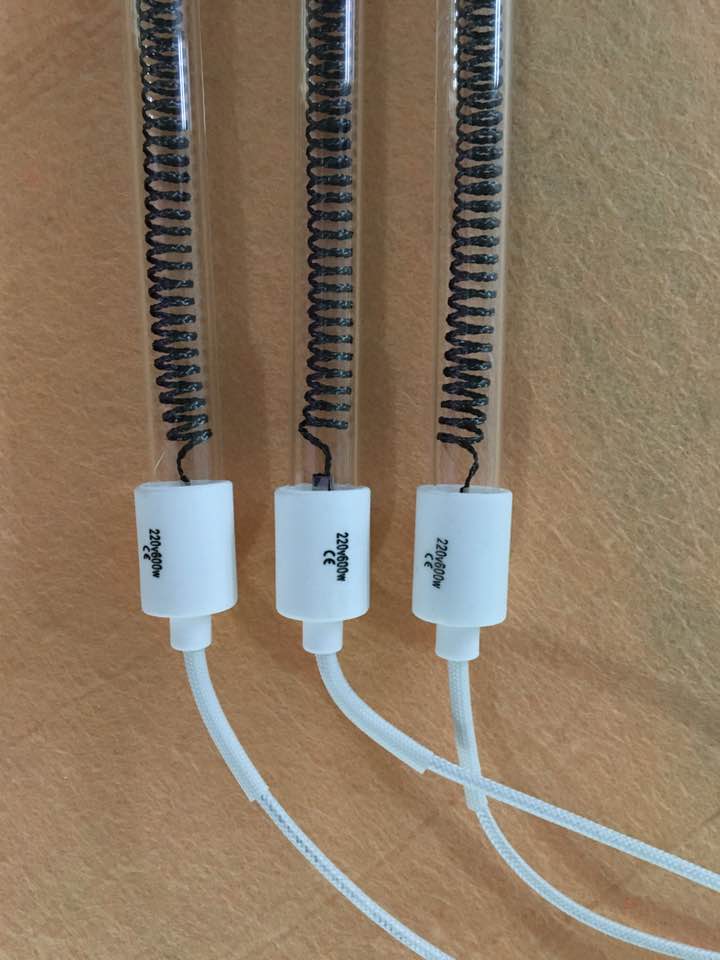
When we’re sizing up an infrared heater, it all comes down to a simple match. We’re pairing the wattage and voltage with exactly what the machine needs to get hot. For industrial setups, 400V is the go-to. Why? It keeps the wiring from getting out of hand and keeps the current draw sensible. You get the intense heat you need without needing a truckload of copper. We keep the heating element itself pretty compact, often around 300mm long. This keeps the whole thing from taking over your space, and lets us focus all that energy right where the work is happening. Packing that much power into a small zone means the heat comes on fast, and you have precise control over the heating window.
Quartz vs. Carbon: The Material Match-Up
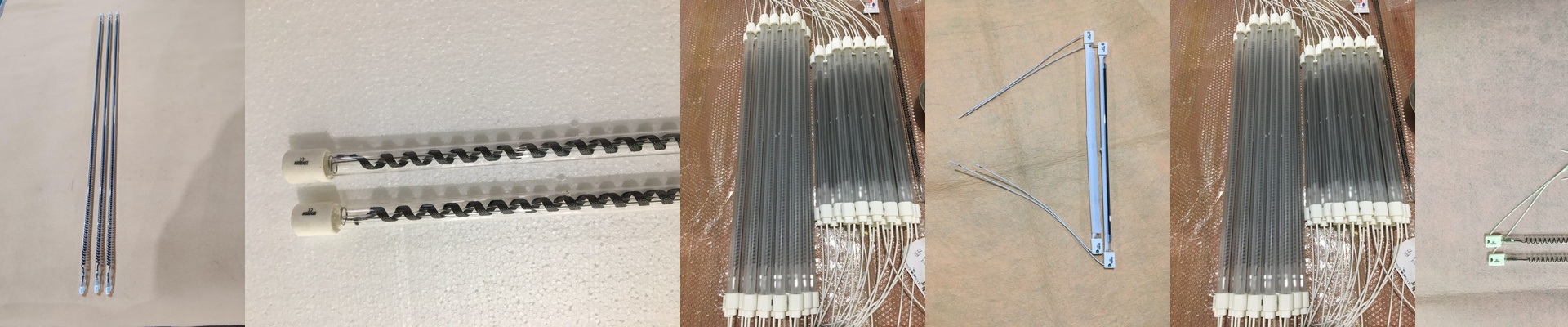
Think of quartz infrared heaters as the sprinters of the bunch. They run on shortwave and respond almost instantly. The filament heats up in a flash, giving you that sharp, controllable heat that’s perfect for things like PET blowing or curing a surface. And because quartz handles sudden temperature changes so well, you can cycle the lamp on and off without worrying about cracks. Carbon infrared heaters are more like a steady marathon runner. They put out a broader, medium-wave heat. The carbon element spreads that warmth out more evenly, which is a lifesaver when you’re drying coatings or preheating larger parts. They’re generally tougher and can take a hit, but they’re definitely a bit slower to get going than quartz.
Making the Choice for the Real World
So, when do you pick one over the other? You go with quartz when your process needs that lightning-fast, intense heat, all in a small footprint. You pick carbon when you need that heat to be spread out evenly, with a gentler ramp-up. And here’s a nice bonus—both types often use R7s connectors, which makes for a straightforward, drop-in installation. But there’s always a trade-off, right? That kind of high-density heat means you’ve got to make sure your machine is properly cooled. Get the spectrum right for the material you’re working with, and the heater will just hold steady, doing its job without burning out.