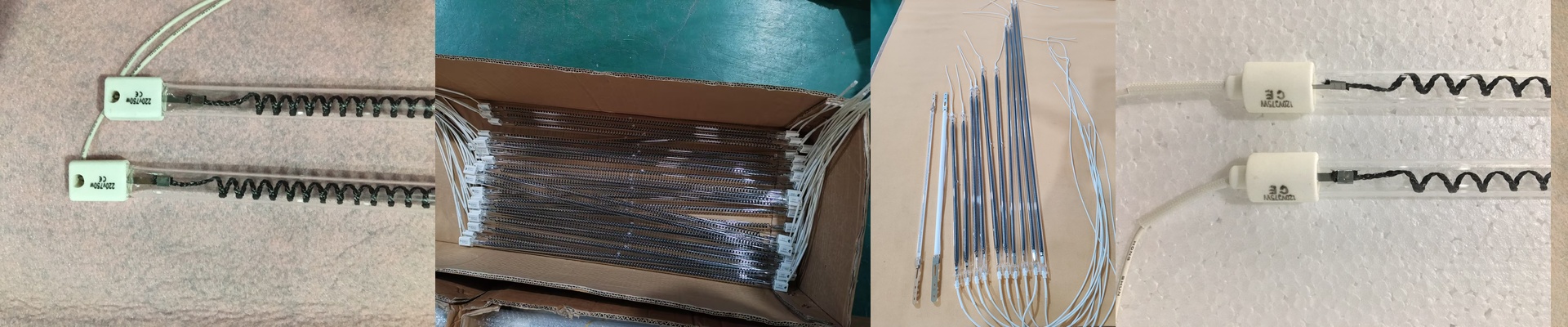
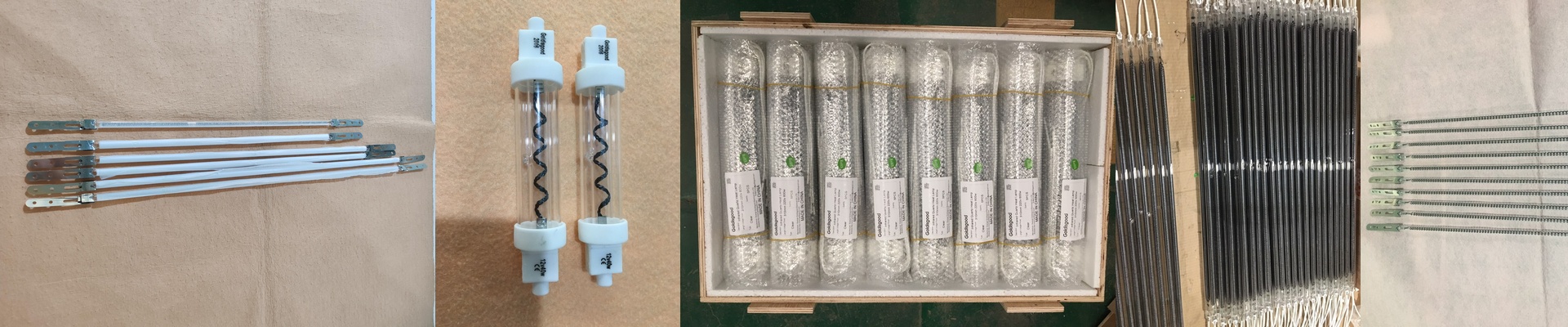
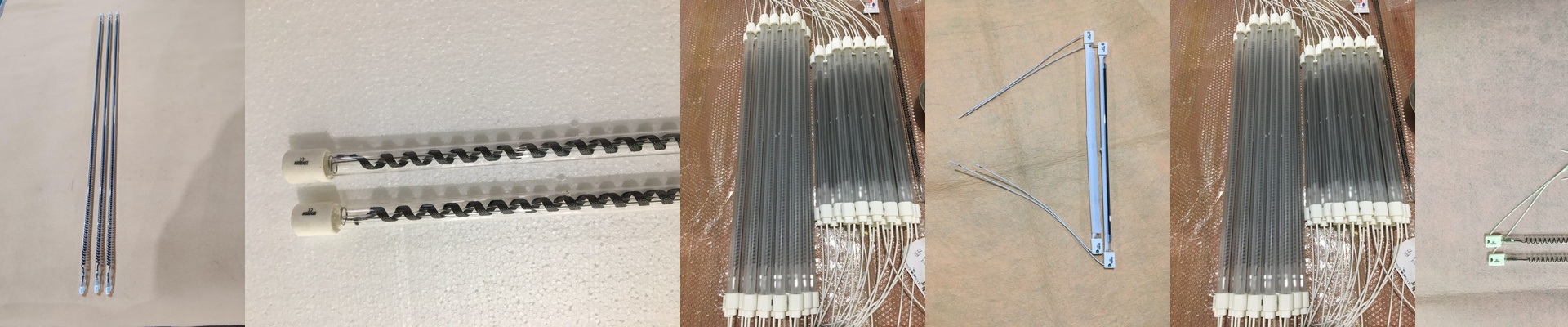
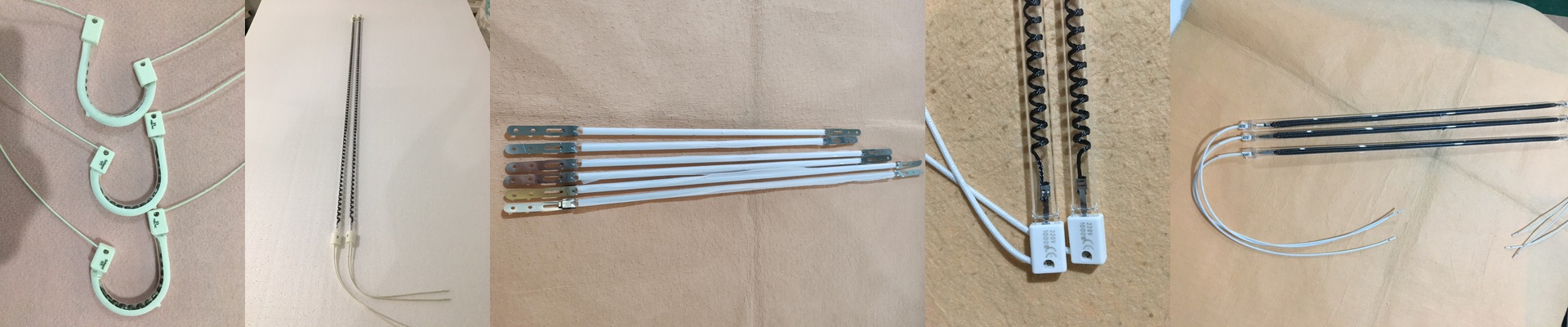
Carbon Fiber Halogen Heating Tubes: The Real-World Heat Solution
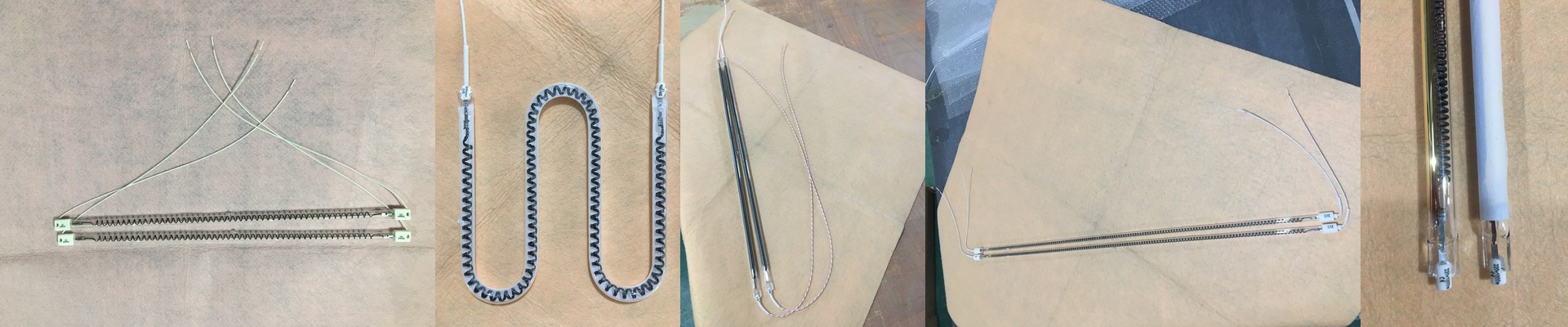
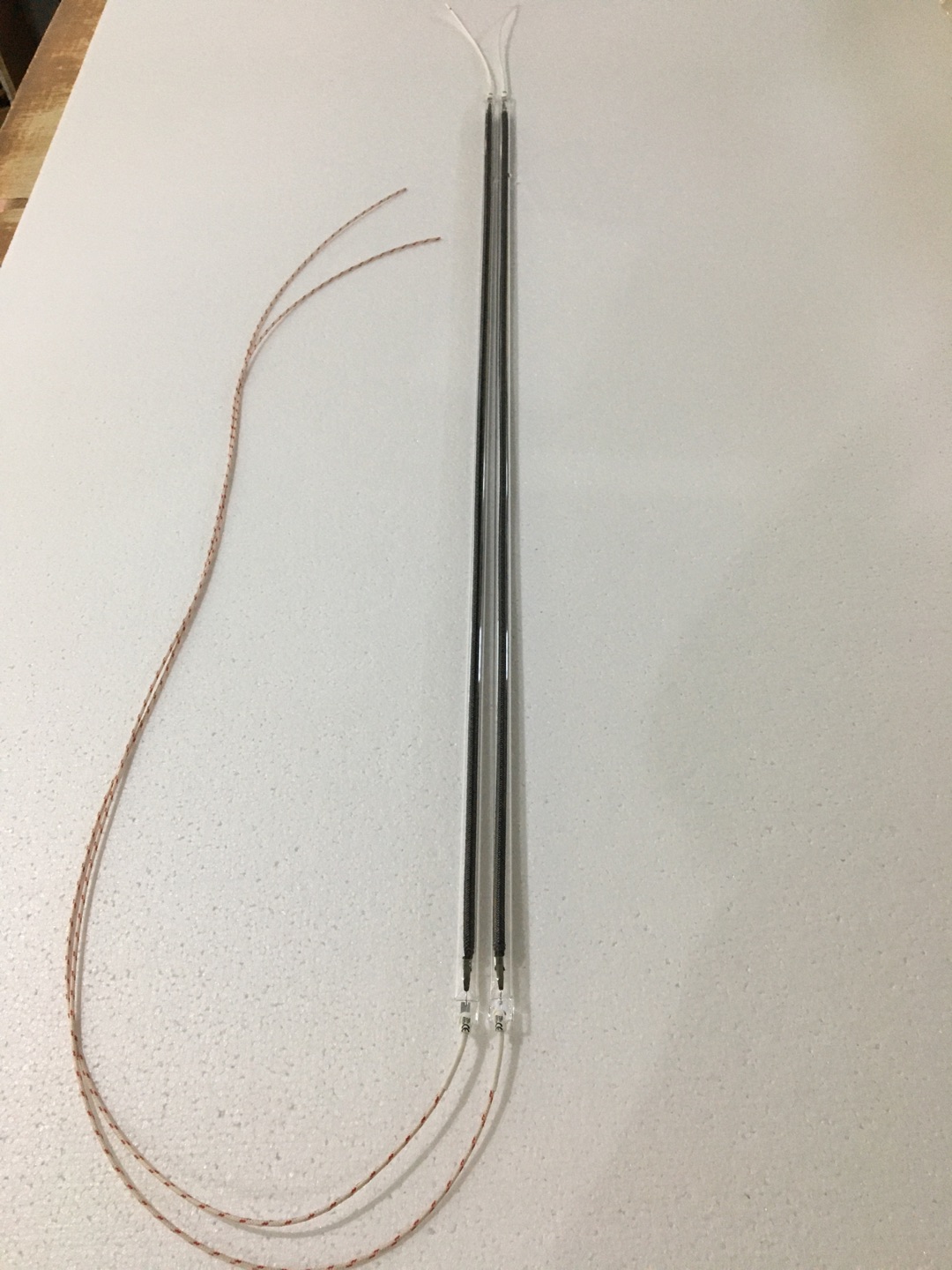
We build these carbon fiber heating tubes for the jobs where you need heat, and you need it now. Think industrial settings where space is tight and the heat has to be intense, fast, and right where you point it. Here’s how they work: a carbon filament sits inside, surrounded by halogen gas, all sealed in a tough quartz tube. The whole thing is designed to give you steady, reliable heat, even when you’re working in a cramped spot.
The Power Behind the Heat
Let’s talk specs, but in plain English. A typical unit runs on 400V and cranks out 2500W of power. That’s a lot of heat packed into a small package. The tube is about 300mm long, which keeps the heat focused on the exact spot you need it. No warming up the whole machine. Just pure, targeted heat on the part that matters. But this kind of power density means you need to set things up properly. You’ll need a contactor that can handle the initial surge, and you have to make sure the mounting area can take the surface heat without melting anything nearby.
Built to Last: Halogen, Quartz, and Smart Connectors
The halogen gas inside does something pretty clever. It keeps the filament stable, which means the heat output stays consistent over time. And unlike standard infrared lamps, you get way less blackening. The quartz envelope isn’t just for show. It can handle sudden temperature changes without cracking, and it lets shortwave energy pass through efficiently. The result? The tube heats up almost instantly. We use R7s and SK15 terminals because they make your life easier. They give you a solid, tool-free connection that holds up to vibration and repeated maintenance. Less time fiddling with tools means quicker changeovers on the production line.
Where It Shines: PET Blowing and Beyond
Take PET blowing, for example. These tubes are perfect for the job. They deliver that rapid, localized heat you need to soften the preform in a flash. The shortwave output gives you precise, repeatable temperature control, and the compact size means it fits right into existing lamp housings. It’s a simple drop-in replacement. Now, there is one thing to keep in mind. All that heat density means you have to manage it. You’ll want to match your airflow and shielding to avoid overheating nearby components. But when you get the setup right, you get stable performance, predictable heat-up, and wiring that just works.