Carbon Fiber Quartz Heat Lamp: Packing Serious Infrared Power for Industrial Heat
We built this carbon fiber quartz heat lamp for one reason: to give industrial heating systems a straight-up upgrade. Think of it as a direct swap for your old infrared emitters, but without the sluggish warm-up that holds you back. If you’re an engineer who needs serious heat in a small space, this is your kind of tool. It gets hot, fast, and keeps tight control—no waiting around while your process drags.
Power, Voltage, and Size—Kept Real
Here’s the heart of it: we packed a lot of heat into a standard-size tube. We run it at 400V, pushing up to 2500W through a 300mm lamp. That means the energy is concentrated on a small radiating surface, so the temperature ramps up quickly and hits high peaks. Perfect when you’re spot heating and need cycle times to stay short. Just keep one thing straight: this lamp needs the right voltage to behave. Give it an undersized supply and you’ll see current surge and stress on the element. Match the voltage, and it just works—clean and steady.
What’s Inside: Carbon Fiber, Quartz, and a Smart Connection
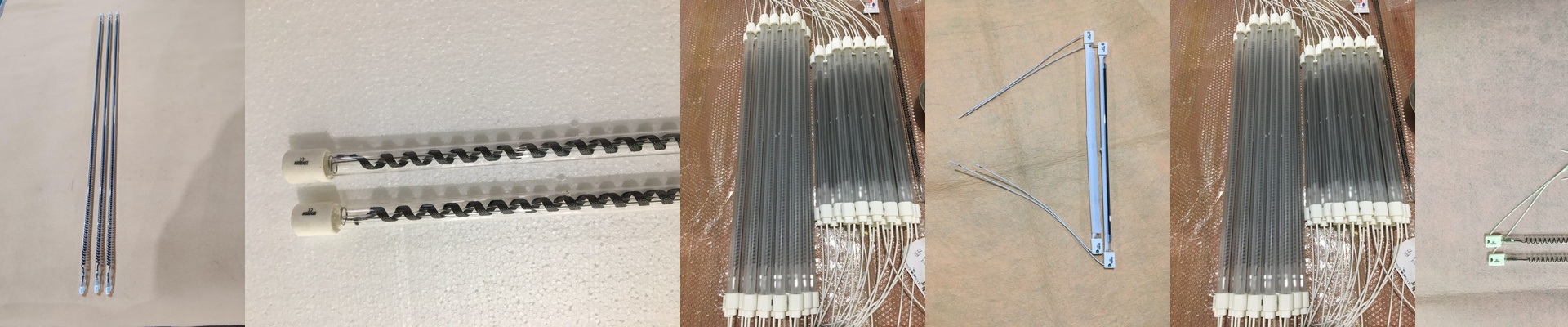
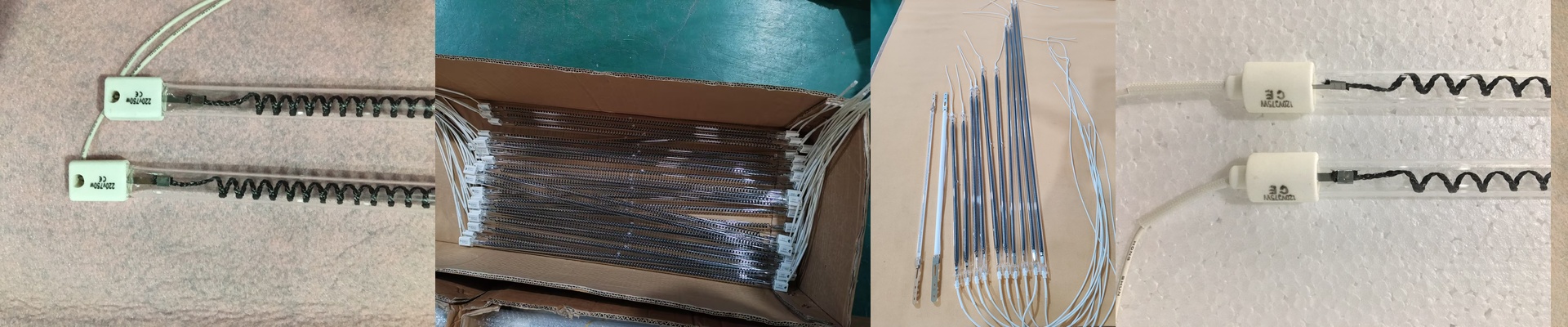
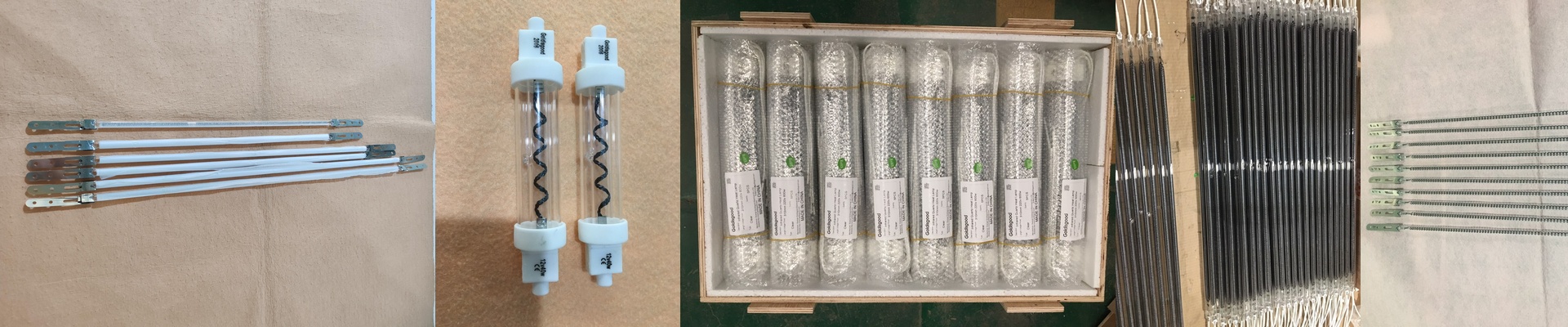
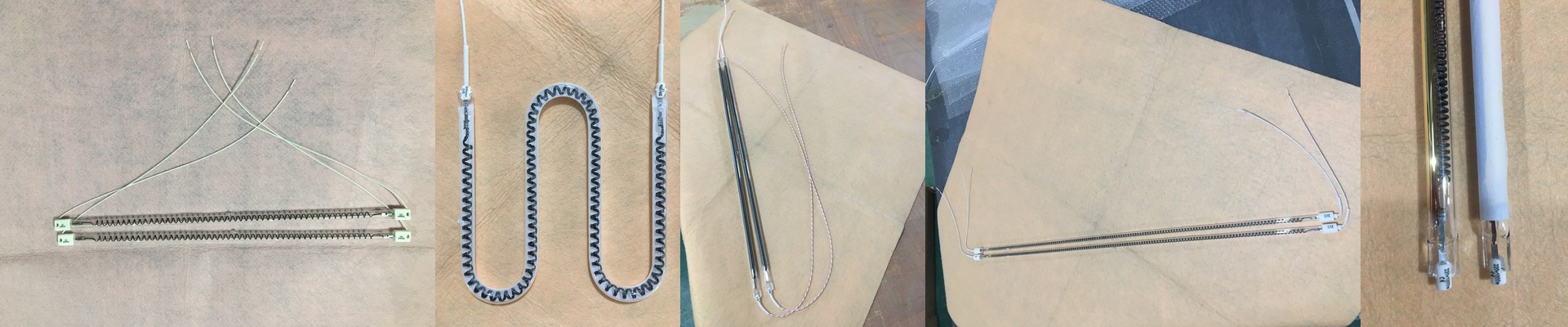
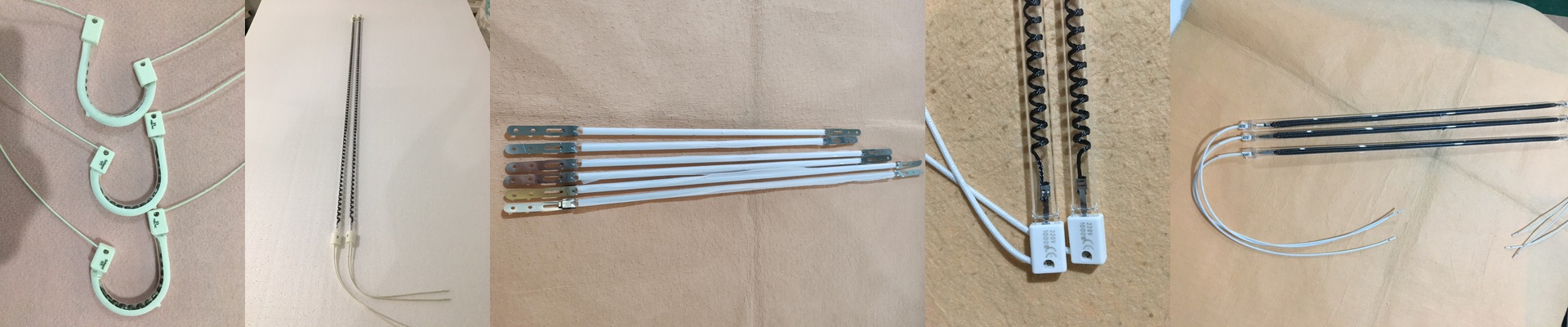
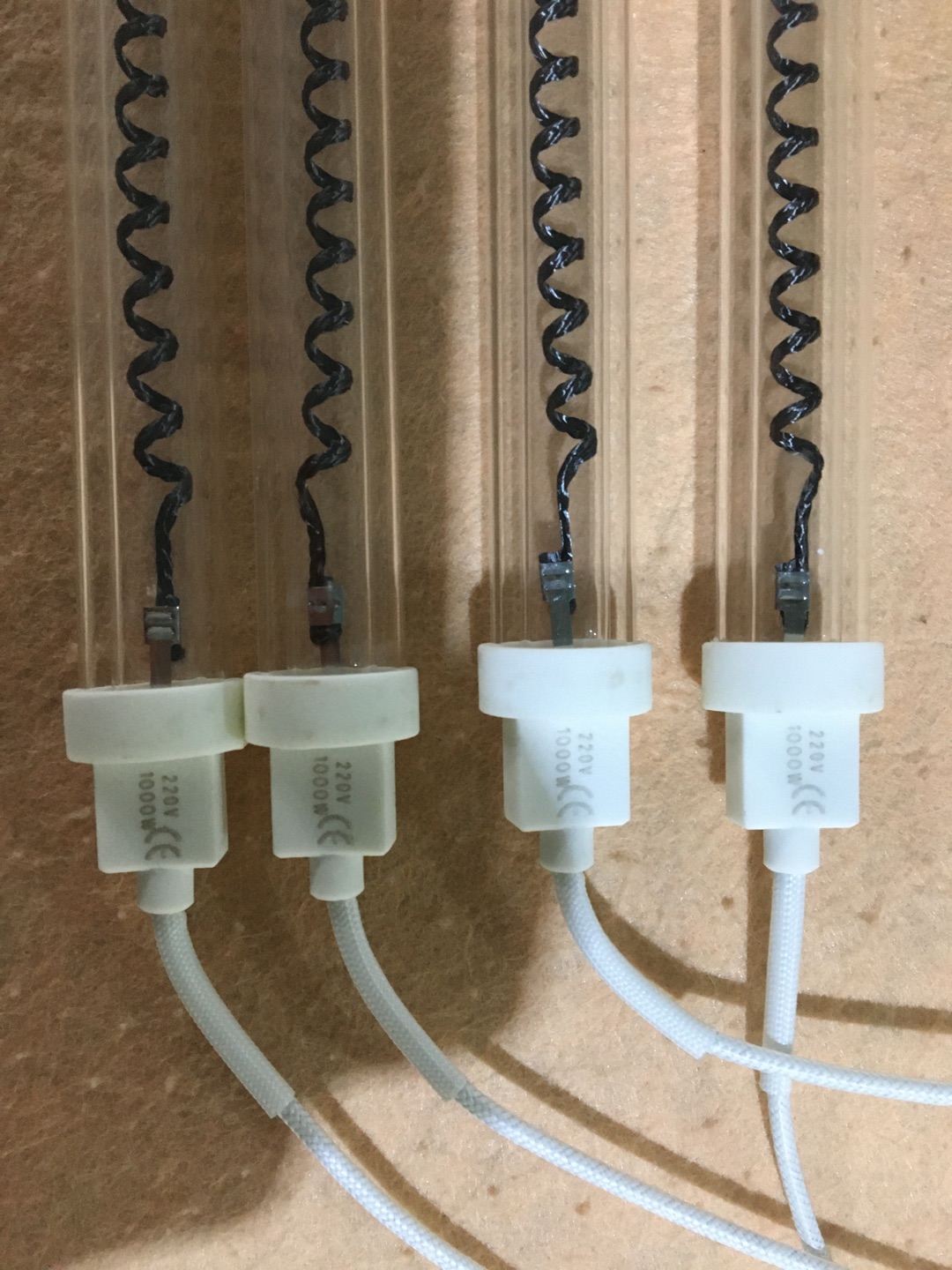
Inside the quartz envelope sits a carbon fiber filament. Quartz handles the shock of rapid on/off cycles and stays rock-solid even at extreme temperatures. The carbon fiber gives you consistent resistance and predictable infrared output, with the spectrum leaning toward shortwave—so the energy hits surfaces fast and penetrates quickly. And the connector? We went with an R7s. It’s a common two-contact design that locks in length and handles high current. Wiring is straightforward, and it helps reduce hot spots at the connection. Less fuss, more reliability.
Where It Shines—And What to Keep in Mind
This setup was made for industrial process heat: plastic forming, curing, drying—any job where you need intense, controllable infrared in a tight zone. Because it delivers shortwave output, responds instantly, and stays compact, you can shrink the heating area and tighten up cycle times. Now, the trade-off: high heat density means you need to treat the fixture with respect. Plan for proper reflection, airflow, and component spacing. Treat this lamp like the high-energy source it is, and it will hold up on the line—day after day.