Flexible Carbon Fiber Heaters: Why We Built Them
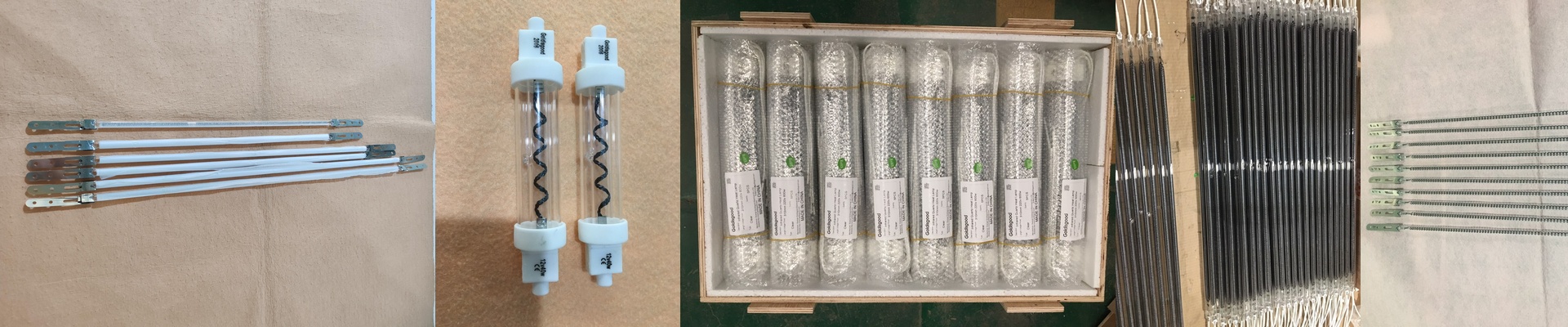
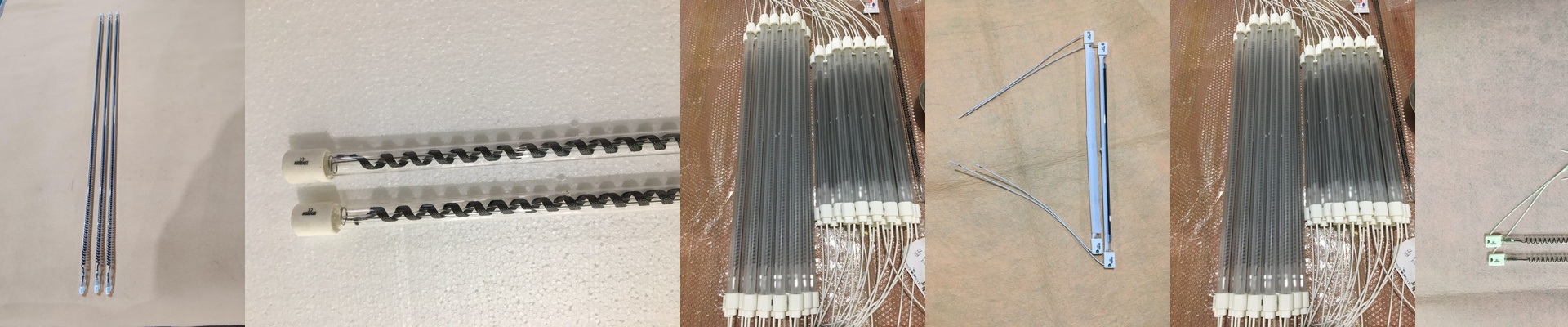
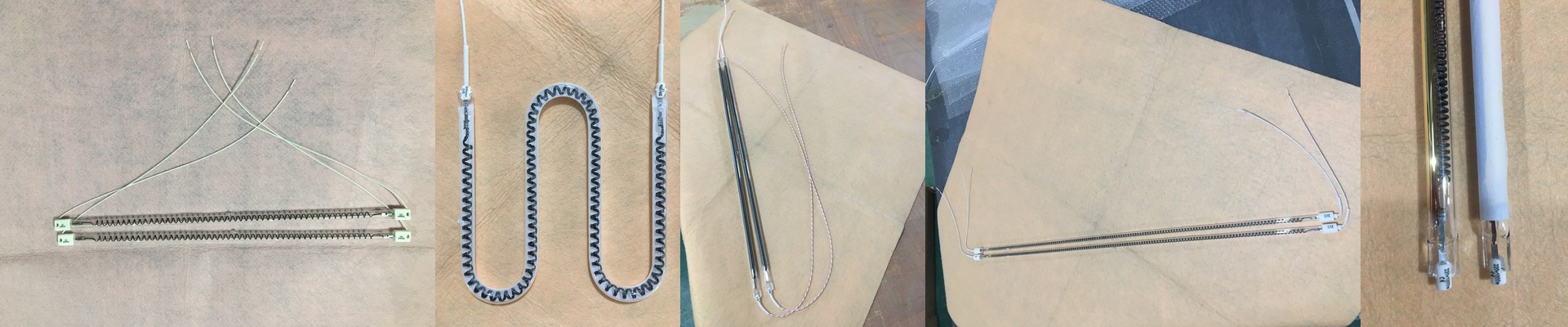
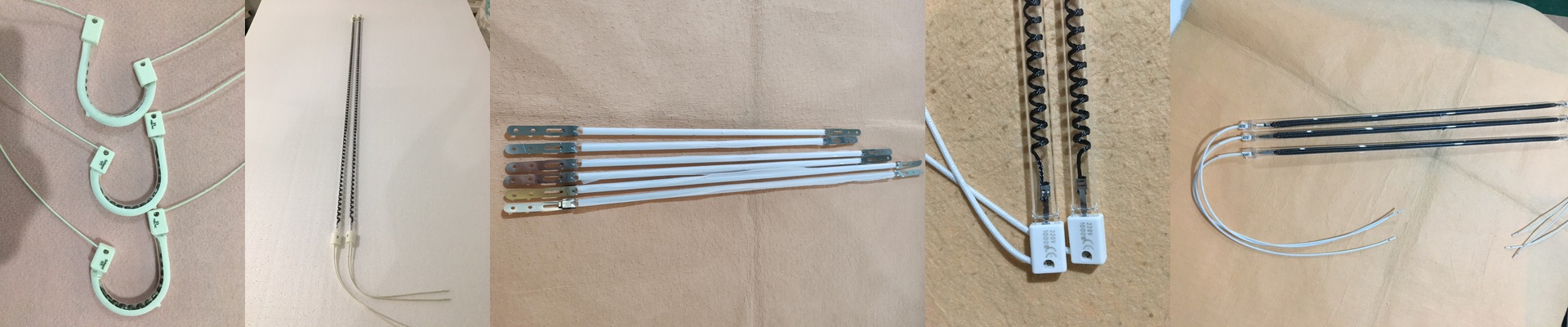
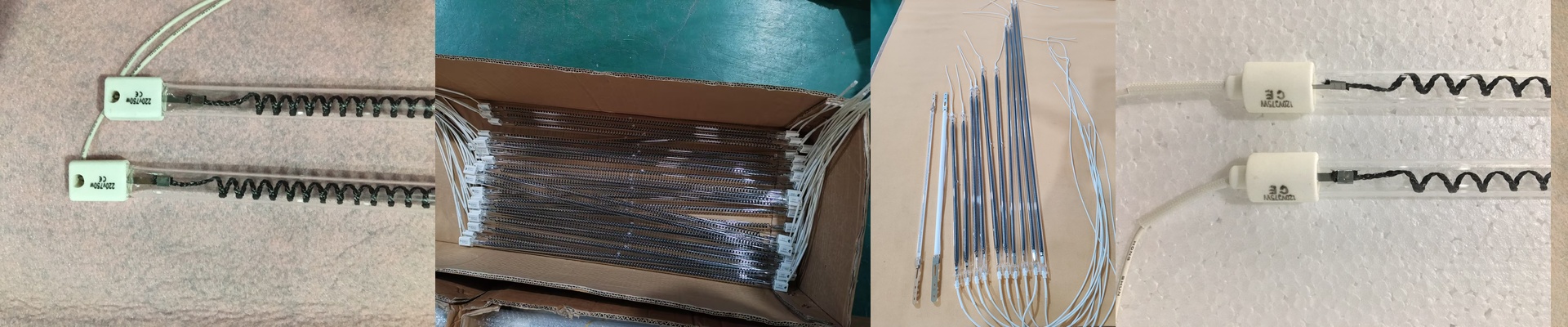
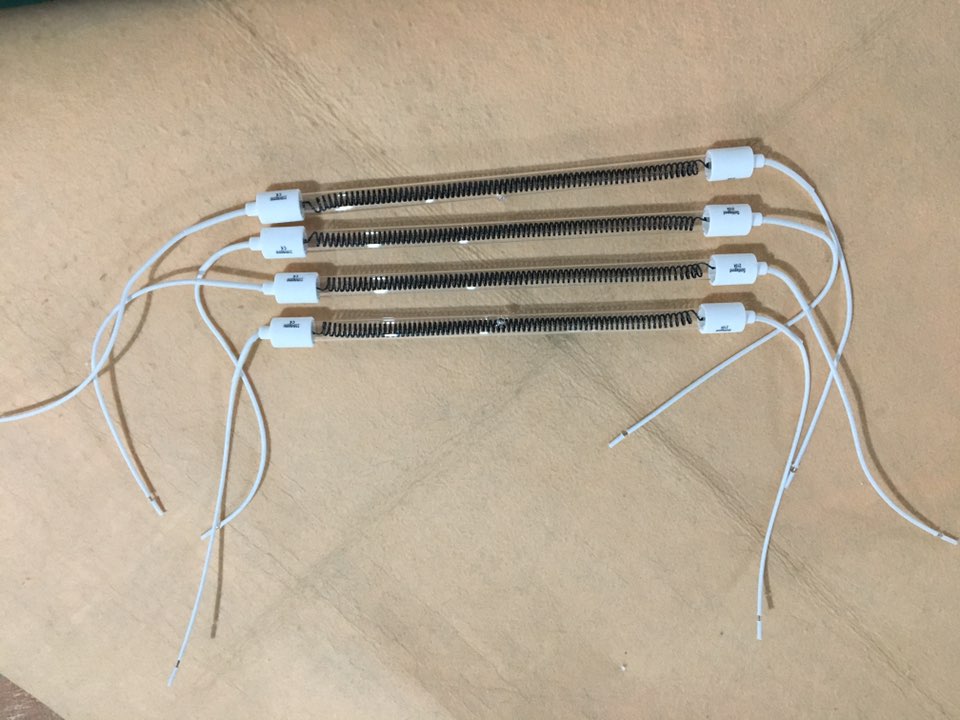
We built these flexible carbon fiber tube heaters for one simple reason: because sometimes, you just need serious heat in a space that’s tight, curved, or even moving. Traditional rigid ceramic or metal heaters? They just can’t handle it. The magic is in the carbon fiber itself. It gives you the bend you need, but it also carries the electricity to get hot. Pair that with a halogen gas fill and a tough quartz tube, and you get a heater that heats up fast and packs a lot of heat into a small space.
Power, Voltage, and Shape: It’s All Connected
The specs aren’t random. They’re chosen to match the shape of the heater, so you get the exact heat output you need. Take a common setup: 400V, 2500W, and 300mm long. That’s how we pack serious power into a short length. The high voltage helps us push the power through the carbon fiber without needing thick wires that would kill the flexibility. This setup is fast. Seriously fast. But that also means your system has to be ready. Make sure your control gear and wiring can handle the voltage and current. Otherwise, you risk voltage drop and terminals that get too hot.
The Materials That Make It Last
Inside the quartz tube, there’s a halogen cycle working quietly in the background. It keeps the element clean by putting evaporated carbon back onto the filament. That’s what fights burn-out and gives you a long life. And the quartz tube itself? It’s chosen because it can handle extreme temperature swings. Turn the heater on and off quickly, and it won’t crack. It just keeps going. Installation is simple, too. We use an R7s connector—a standard, two-pin design that’s tough and reliable. It handles the heat and vibration of industrial equipment, so you can drop this heater right in and get to work.
Where These Heaters Shine (And What to Watch For)
These flexible heaters are perfect for jobs like plastic welding, sealing, or curing—anything where the tool needs to follow the shape of the part. The flexibility lets you put the heat exactly where you need it, giving you better control. But here’s the thing: that high heat density demands respect. The machines around it need proper cooling or shielding to handle the extra warmth. Think of this heater as a precision tool, not just a heat source. Make sure the rest of your setup is ready for the thermal load.