Introduction
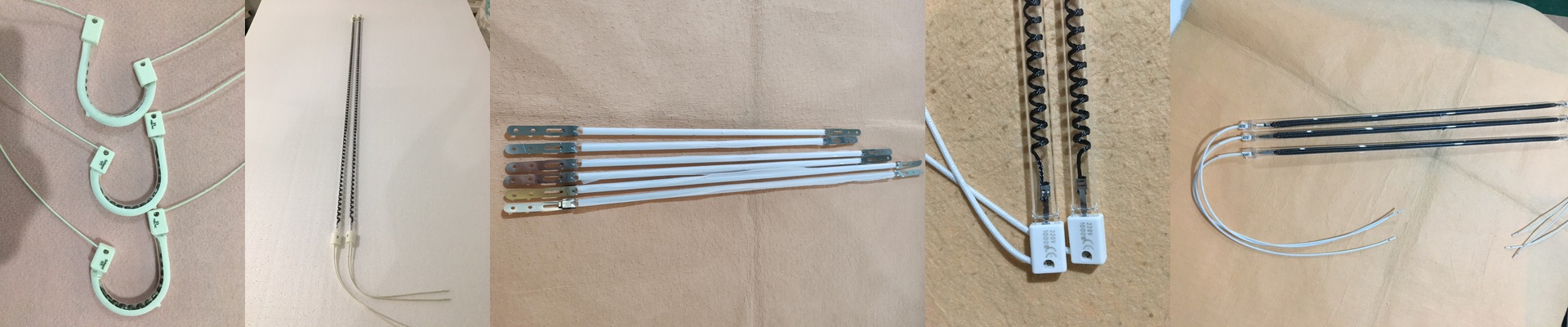
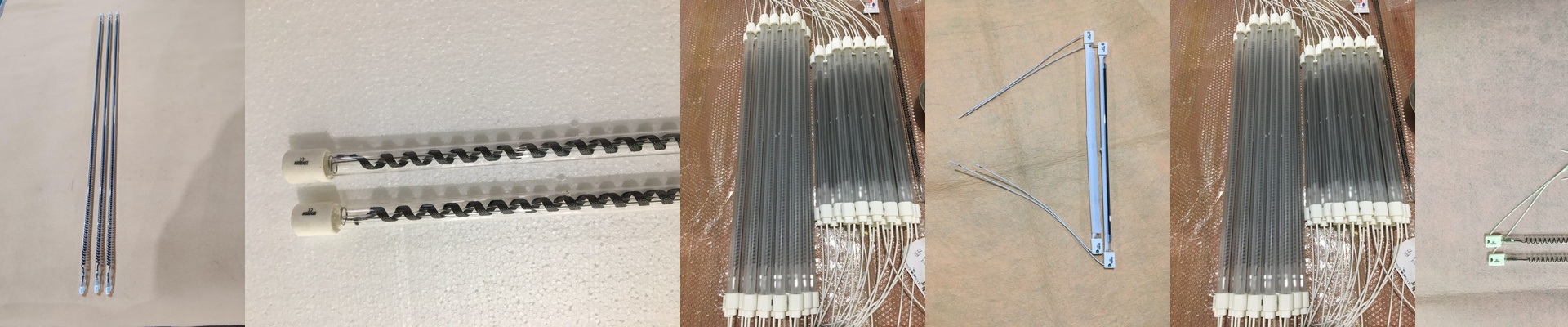
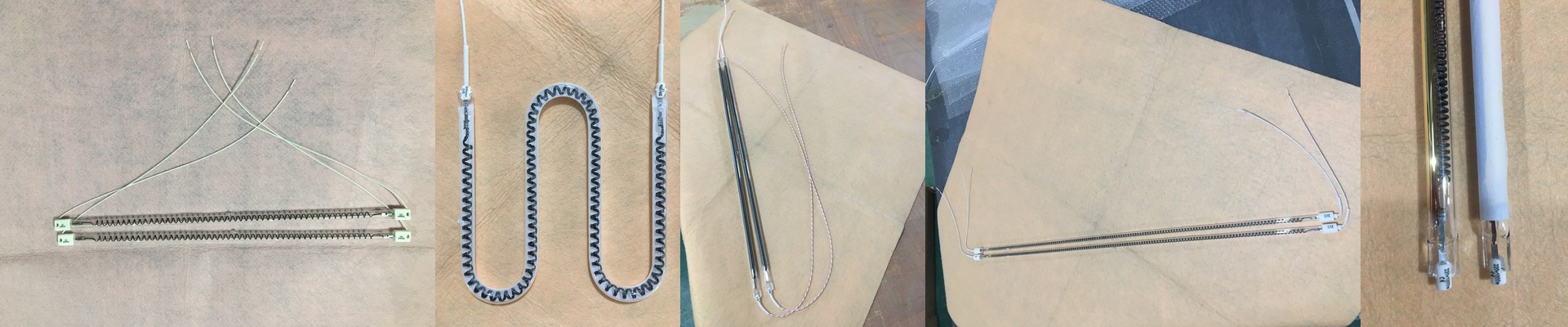
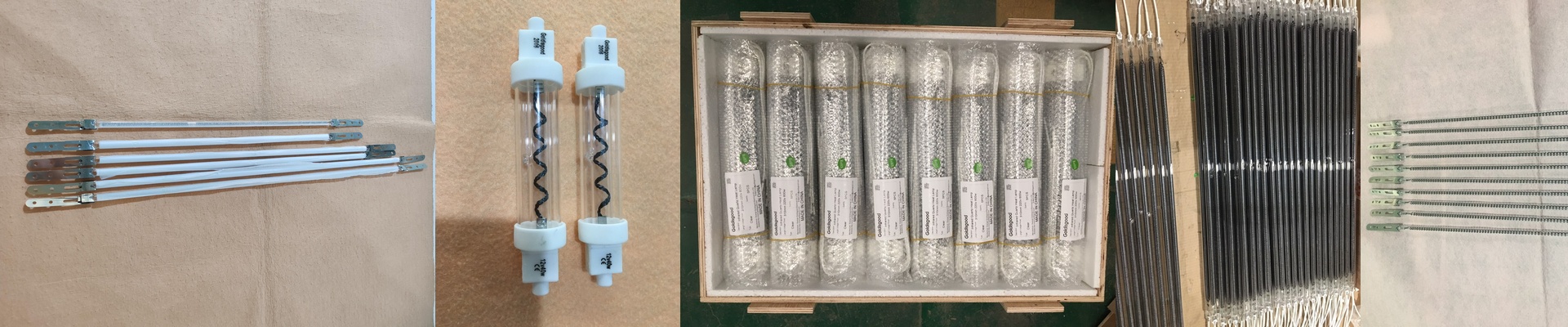
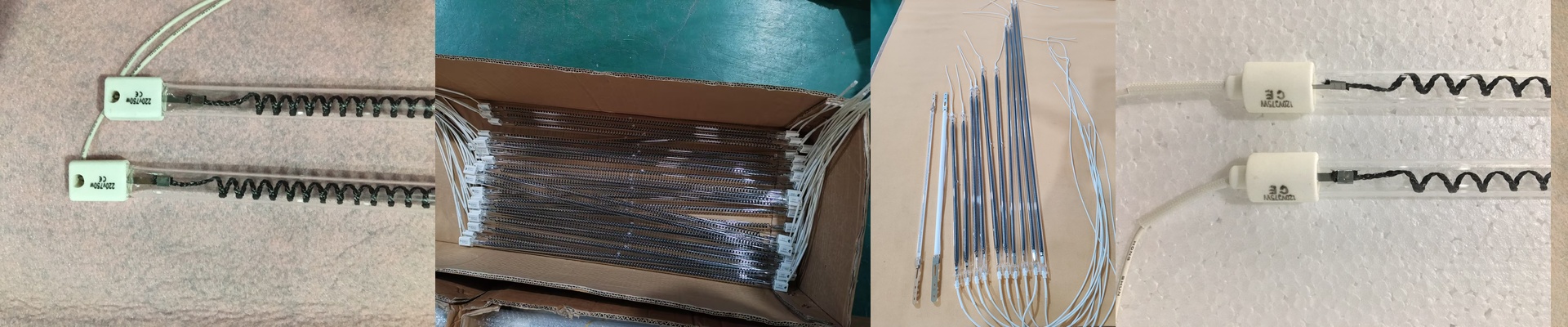
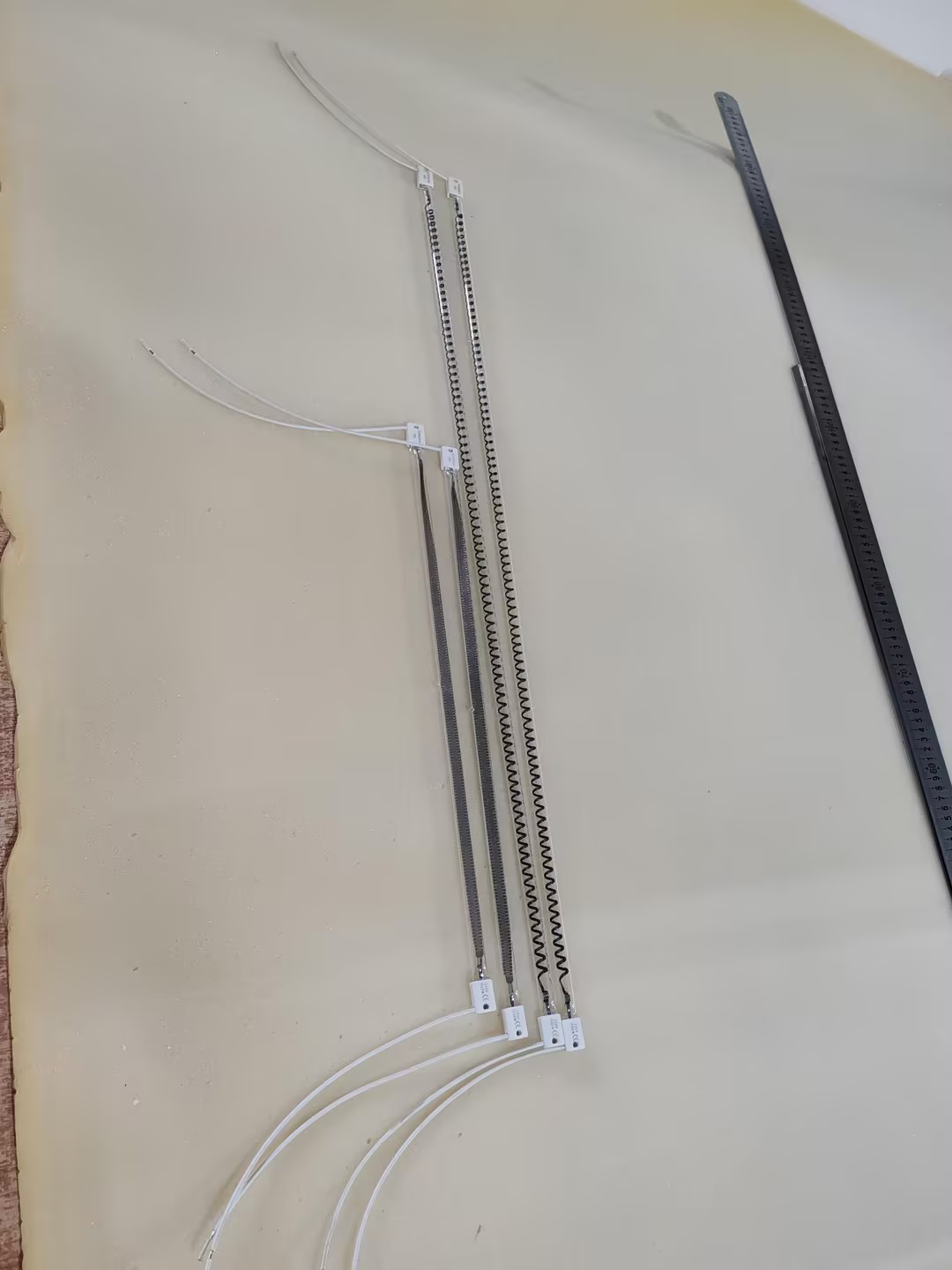
We built this 2500W infrared carbon fiber tube for the heating jobs that demand serious muscle—especially when you need that power in a long, narrow shape. It was designed to throw concentrated radiant heat wherever you need it, hitting temperature fast and then holding steady. And it does all of that without hogging extra space in your machine.
What it’s really packing under the hood
Here’s the thing about that 2500W rating—it’s not just a number for the brochure. It’s the heat output you can actually build your plans around. Paired with the 1260mm length, you get a heating zone that’s long and even. That means you can cover a big stretch of a line, or zero in on one specific spot. The power density lets you ramp up temperature quickly, so you spend less time waiting around during changeovers. But let’s be real—this is a high-output piece. The wiring and thermal management have to be on the same level. If your control system or cooling is too small, the tube will run hotter at the terminals, and that will cut its life short.
The material that makes it work
Carbon fiber is the heart of this design. It heats up fast and holds its temperature steady, so your cycles stay consistent. The infrared output is tuned to be absorbed by many industrial materials, which means less heat wasted into the air around it. And the tube itself is built tough, so it can handle vibration and the constant heating and cooling without cracking.
How it feels when you’re running it
On the floor, this configuration is a clean, drop-in solution for machines that need a long heat source with serious wattage. It makes upgrading an existing line a lot simpler. The combo of wattage, length, and carbon fiber chemistry gives you a heat profile you can rely on, which means you can run tighter process windows. For engineers, that translates to fewer tuning headaches and more uptime once you nail the settings. There is one trade-off, though. 2500W is a lot of energy, so your electrical supply, contactors, and cooling all have to be spec’d to match. When they do, you get consistent radiant heat that can take the daily grind of industrial work—day after day.