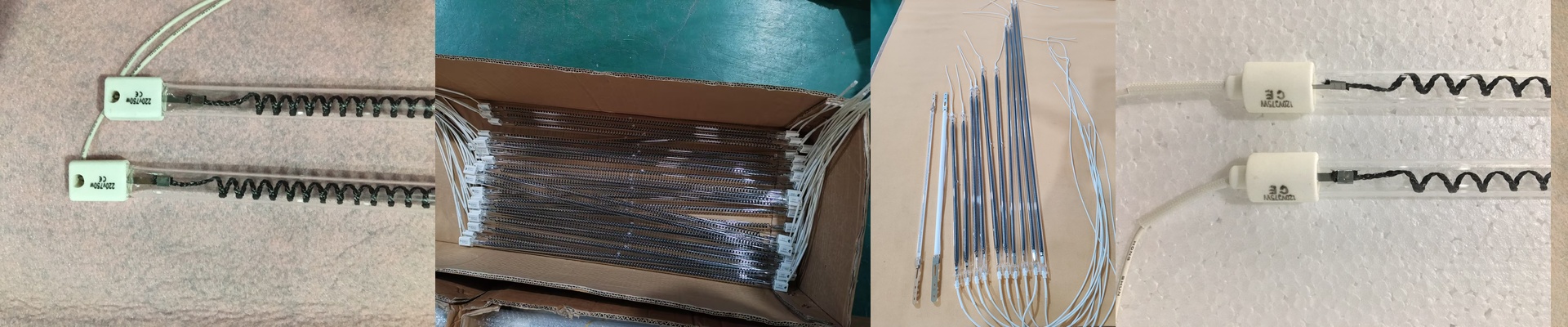
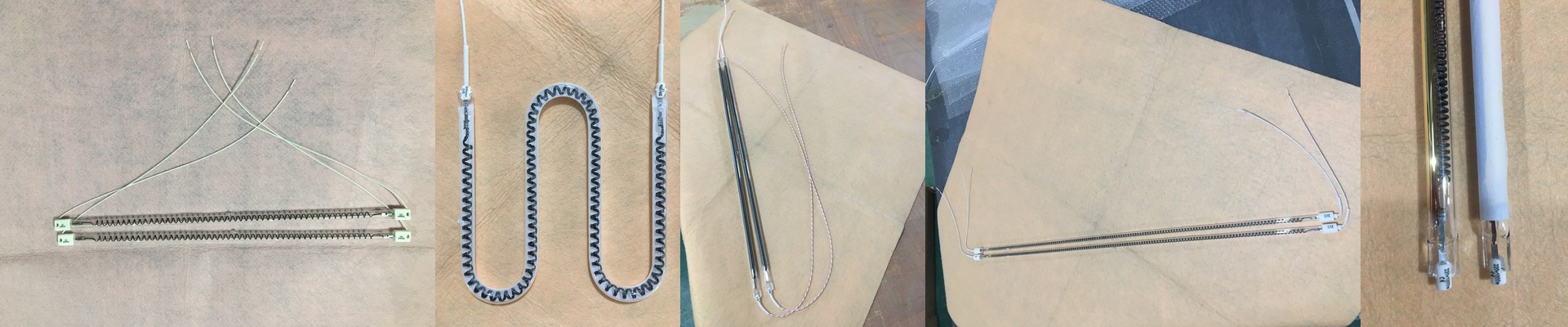
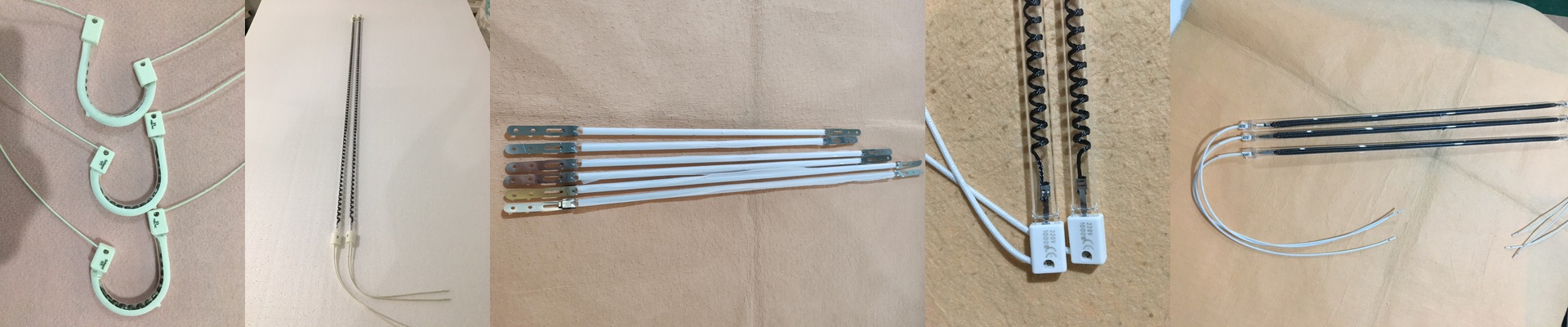
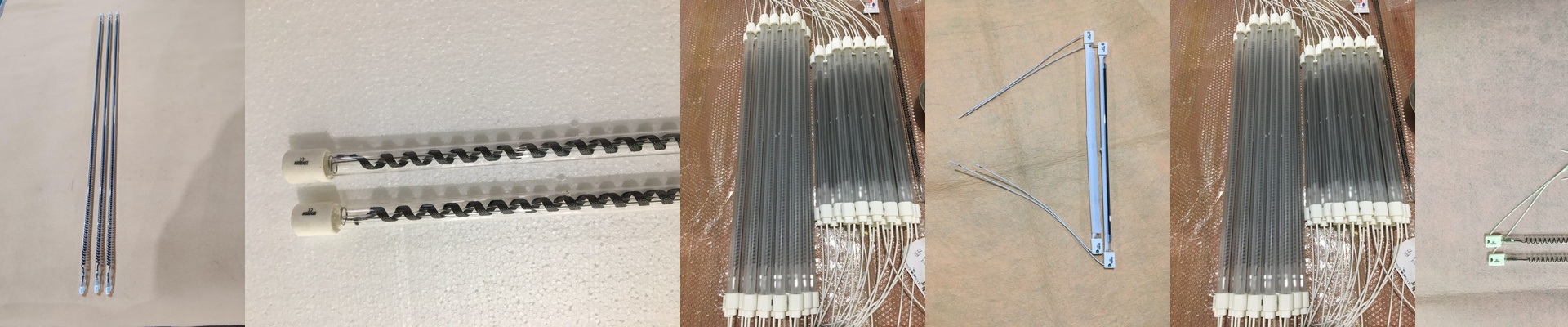
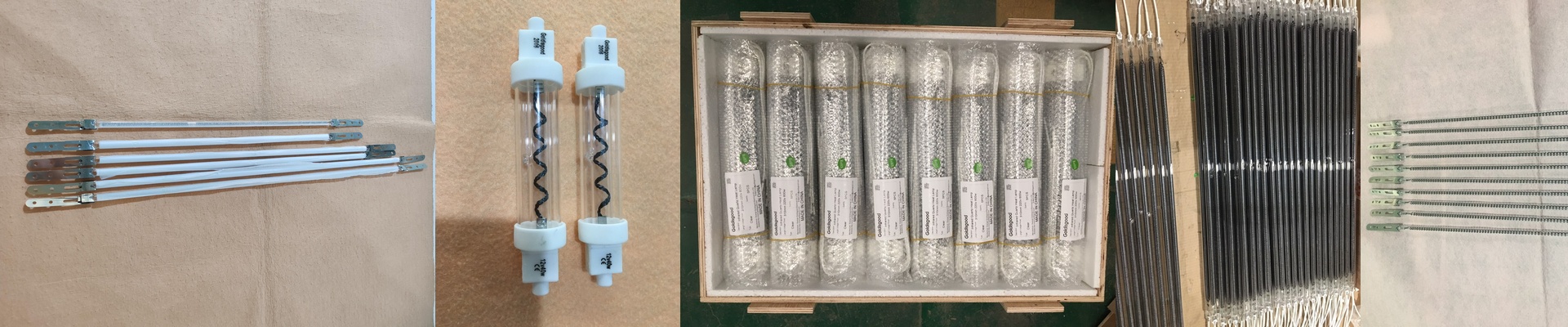
Let’s Talk Carbon Quartz Heating Tubes
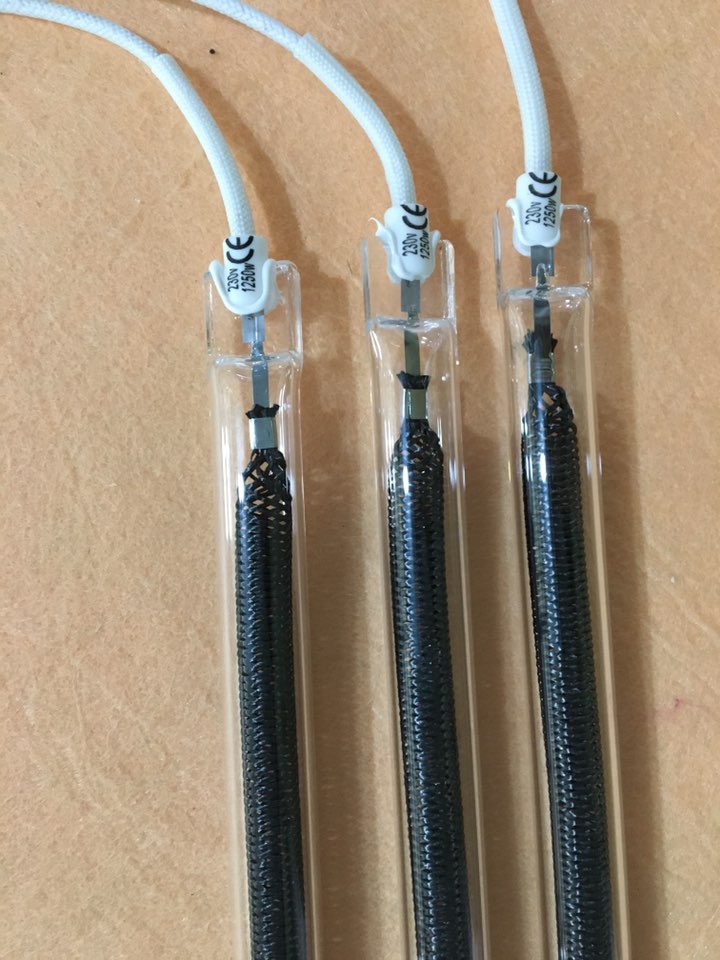
Ever wonder why some heaters just feel… different? That’s usually the carbon quartz at work. Instead of the old-school metal coils you’re used to, these use a carbon fiber filament tucked inside a high-purity quartz sleeve. The big win here is how they move heat. They push out medium-wave infrared radiation, which means the heat actually hits your part directly. You aren’t wasting energy just warming up the air in the room. Getting the Power Right Here is the thing about the electrical side: it’s all about balance. When you’re picking your tube, remember that the voltage and wattage dictate exactly how much heat you get per inch. If you want a concentrated “hot zone,” go for higher wattage in a shorter tube. But be careful. You’ve got to match your power supply to the tube’s rating exactly. If you try to force too many amps through a tube that can’t handle it, the carbon will oxidize. Basically, you’ll burn out your filament, and that’s a headache nobody wants. The Build The quartz glass isn’t just there for looks. It creates a vacuum seal that keeps oxygen away from the filament, letting it get screaming hot without reacting. And for those of you swapping these into old machines? We use standard end-caps and connectors. They just slide right in. Plus, the ramp-up time is incredible. You aren’t waiting around for things to warm up—it hits operating temperature in a matter of seconds. A Few Things to Watch Out For These are great for curing, drying, or shaping plastics, and they don’t take up much space in your build. But there’s a catch. Quartz is brittle. Really brittle. If you bump it or vibrate it too hard during install, it’ll crack. Just make sure your mounting brackets aren’t squeezing the glass. One last tip: if your workspace is dusty or dirty, the quartz can get a layer of grime on it over time. When that happens, your heat efficiency drops. Keep a cleaning schedule, give them a quick wipe down, and you’ll keep that heat transfer consistent.