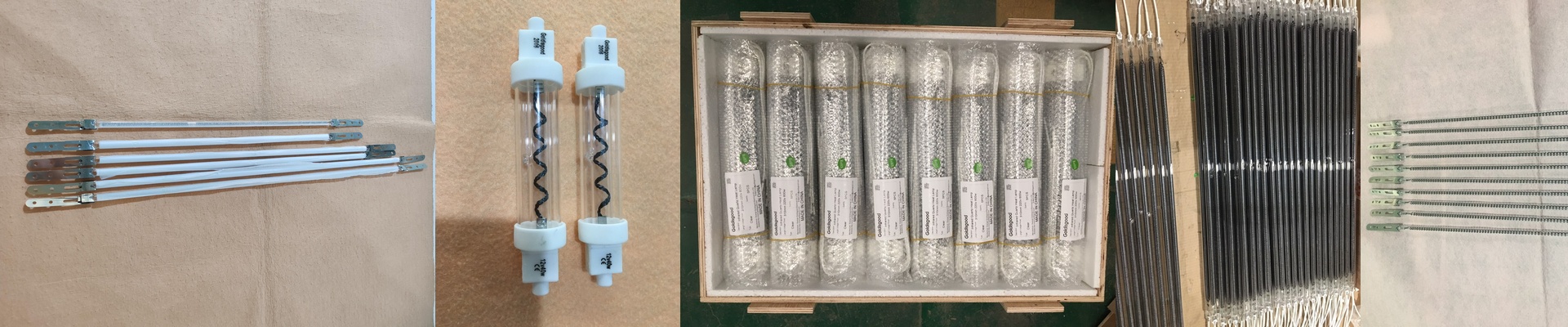
Let’s Talk Carbon Fiber Infrared Emitters
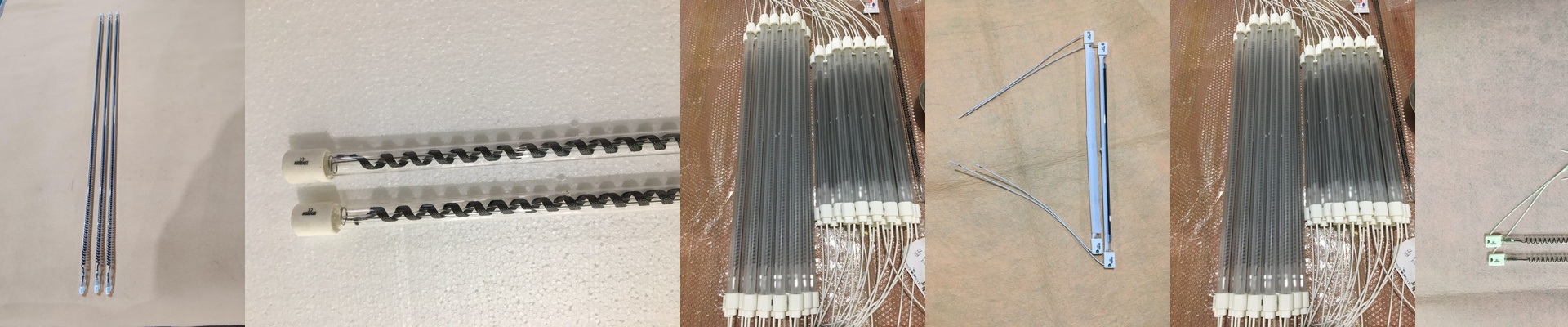
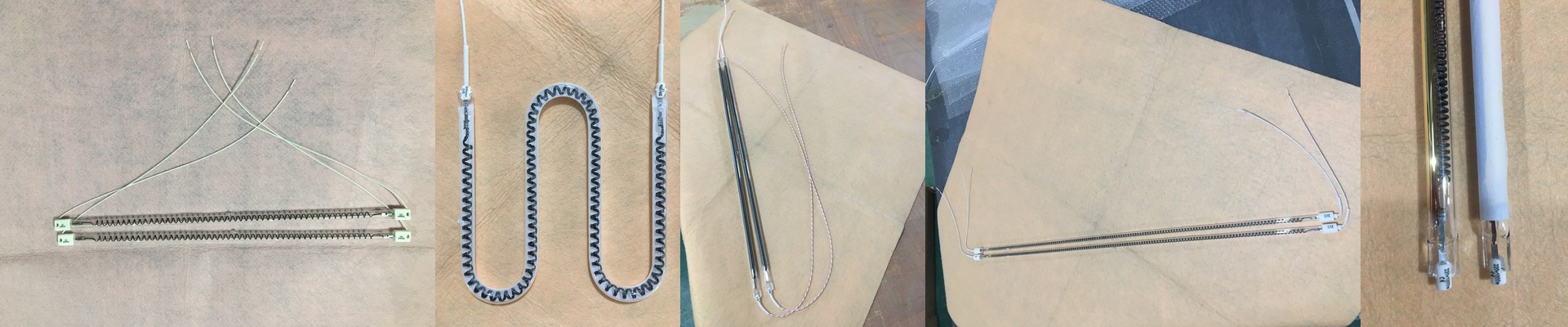
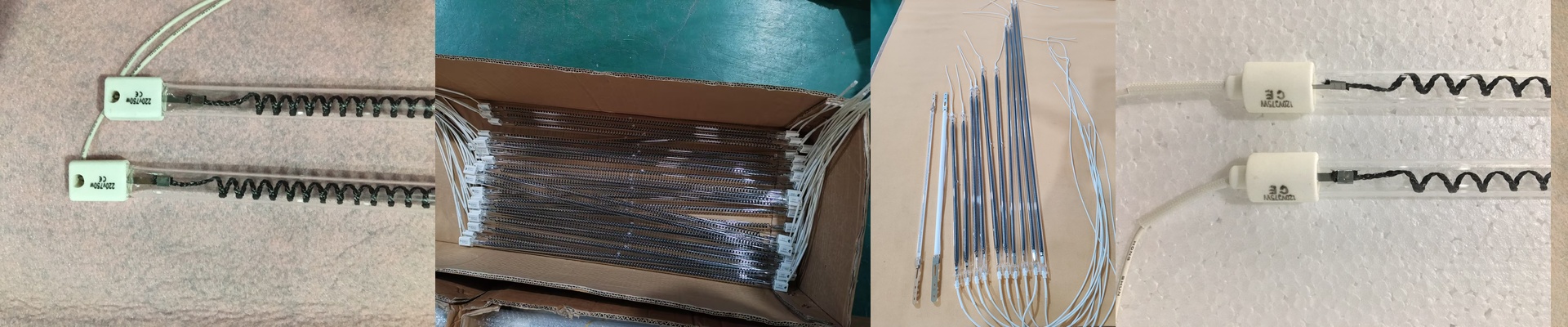
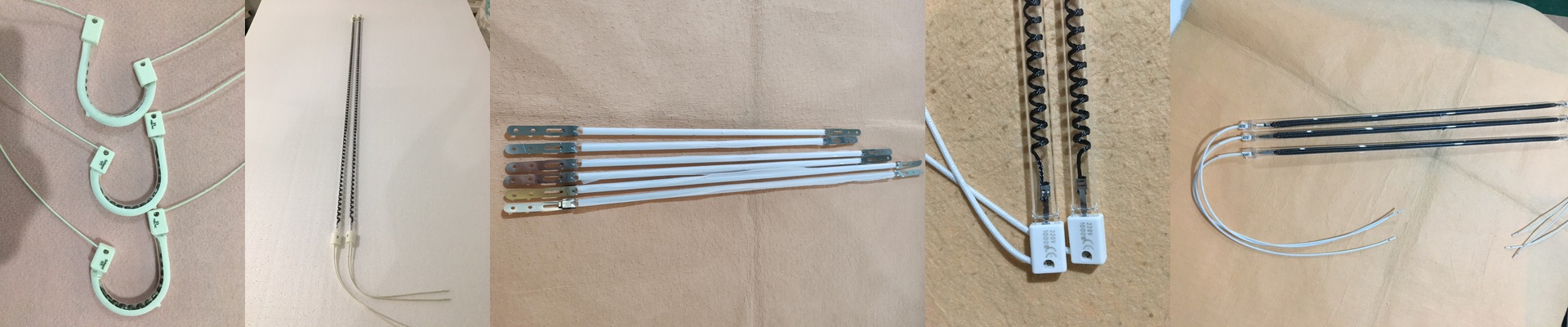
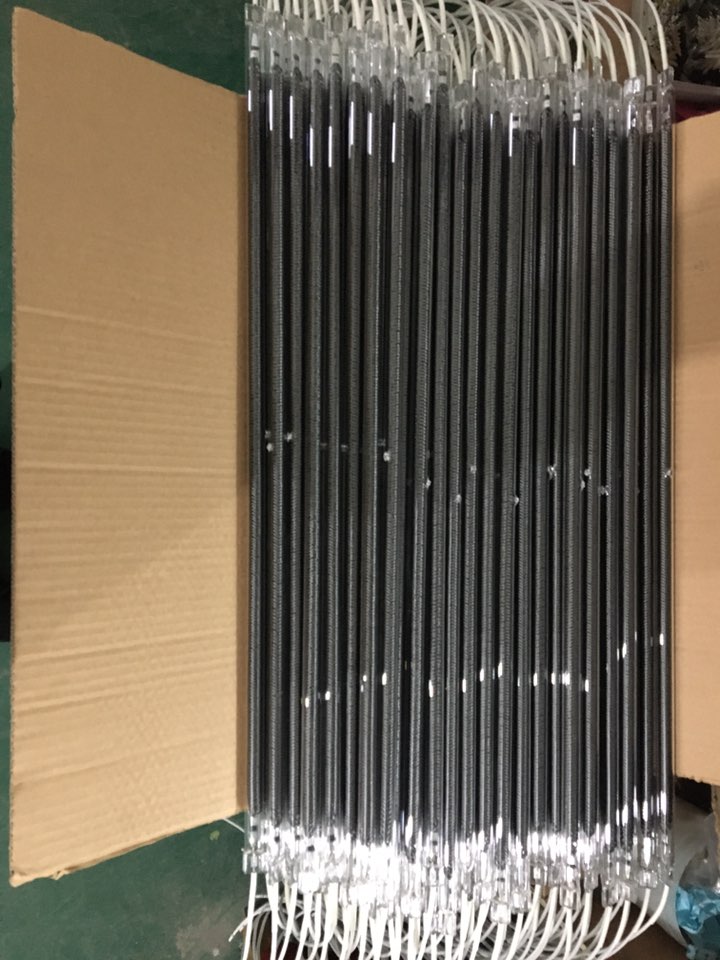
Most people are used to those standard metal-wire halogen heaters. They work, sure. But we do things a bit differently. We use a conductive carbon fiber filament instead. Why? Because it hits differently. You get a response time that’s incredibly fast and a specific kind of heat that actually sinks deep into your materials, rather than just scorching the surface like quartz lamps often do. The heat side of things Here’s the cool part: carbon fiber handles voltage better than tungsten. When you’re running a high-wattage setup, you don’t want those annoying “hot spots” where one part of the lamp is screaming hot and the rest is just warm. Our lamps give you a smooth, even glow across the whole tube. It’s a lifesaver if you’re curing sensitive materials—no more worrying about your parts warping because of a weird heat spike. How they’re put together We wrap that fiber in high-purity quartz. It keeps the oxygen away so the filament doesn’t just burn up. And we kept the connections simple. We use standard R7s or SK15 connectors, so you can just pop them into your existing industrial sockets. You don’t have to rip out your power rails or spend a weekend redesigning your wiring. Plus, that quartz glass is basically a window for infrared energy. It lets the heat fly right through to your workpiece instead of trapping it inside the housing. The real-world stuff You’ll see these lamps doing the heavy lifting in PET blowing, paint drying, and plastic welding. They ramp up to temp almost instantly. It’s satisfying to watch. But, there is a trade-off. Carbon fiber is a bit more brittle than metal. If your machinery shakes a lot or takes a lot of physical hits, the filament can snap.**Make sure your brackets are tight.**Keep them safe from knocks. One last tip: if you’re running high wattage, keep an eye on your electrical footprint. Those initial surges can be brutal. Just double-check that your contactors can handle the inrush current so you don’t burn them out prematurely.