Stop Wasting Half Your Factory Floor on Oven Tunnels
Let’s be honest: those old-school convection ovens are a nightmare. They work by heating up the air, which then slowly heats up your brake pads. It’s sluggish. You end up with these massive, sprawling tunnel ovens that eat up half your floor space and waste a ton of electricity just heating the walls. It’s a lot of wasted energy for a process that feels like it’s moving in slow motion. That’s why we swap those monsters out for short-wave infrared (IR) systems. It’s a way to reclaim your space and actually get your parts moving faster.
How the Heat Actually Works
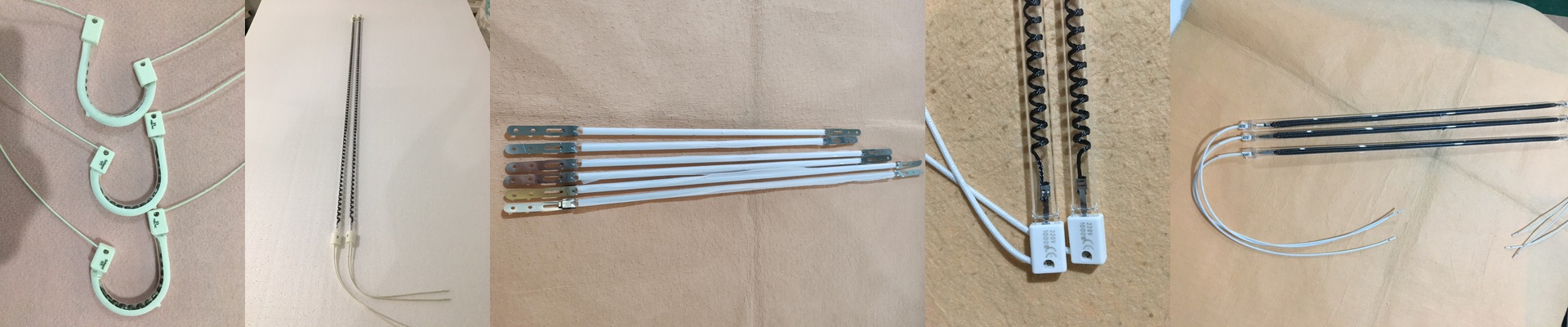
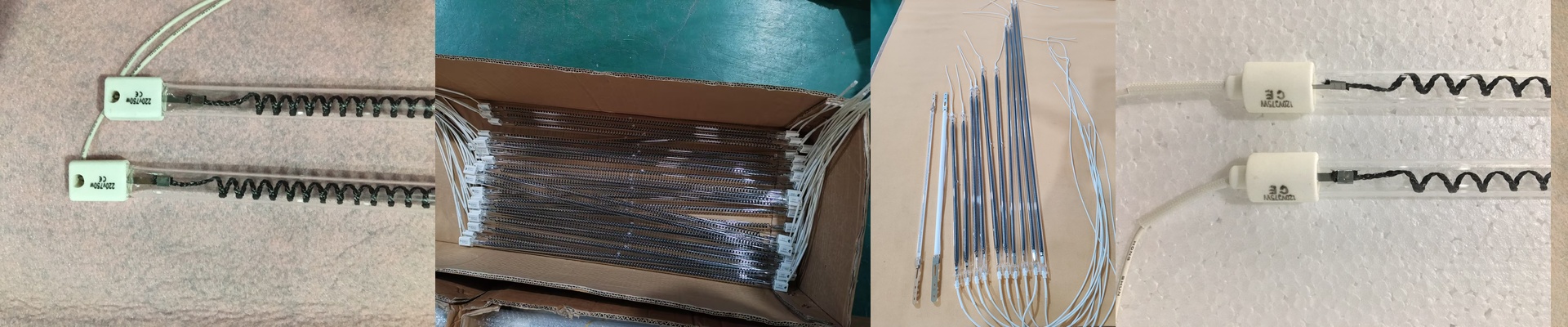
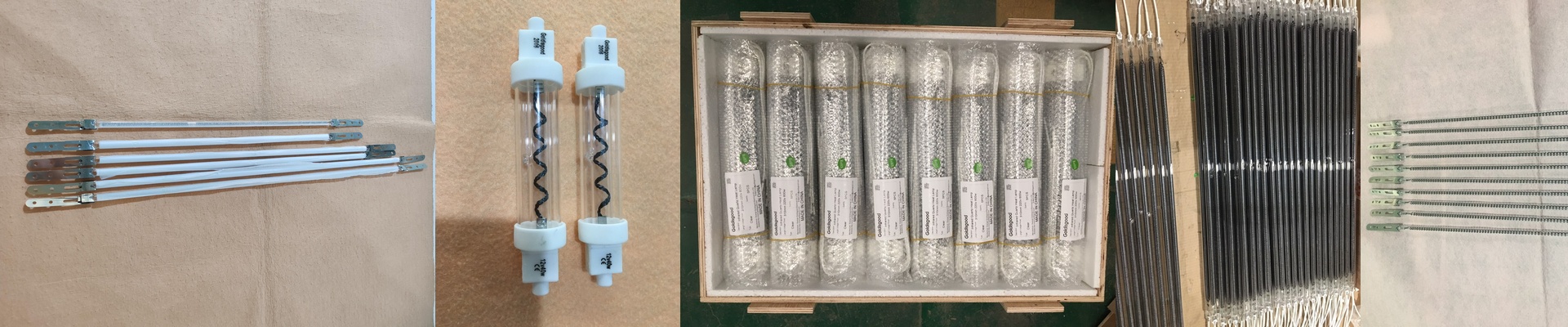
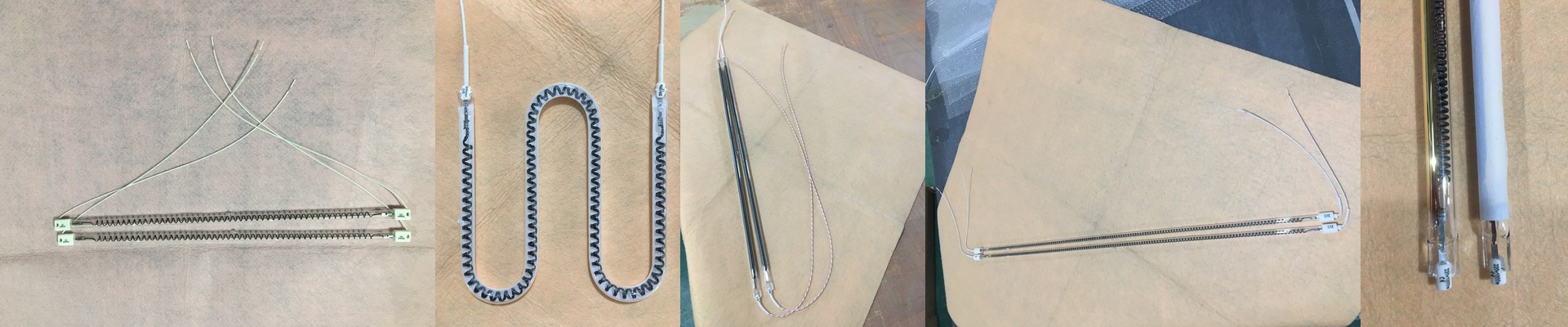
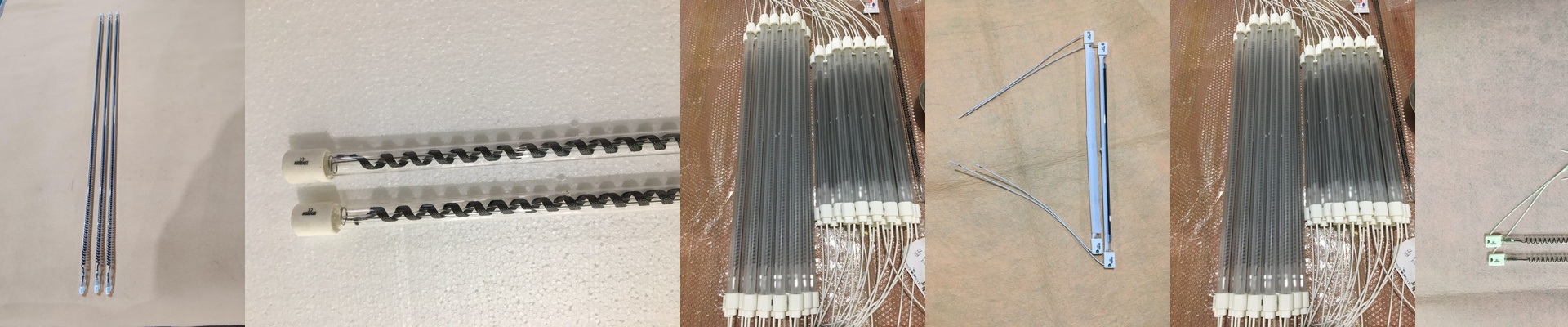
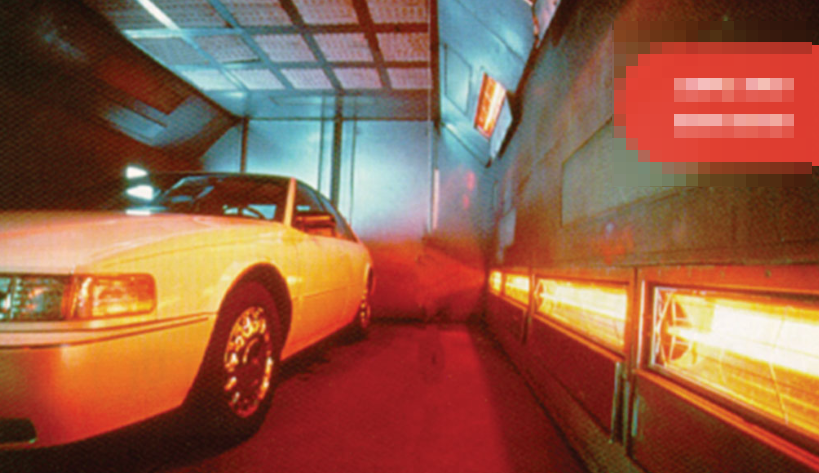
Here is the thing about IR: it doesn’t need air to move the heat. It uses electromagnetic waves that hit the coating directly. Think of it like stepping out into the sun on a cold day. You feel the warmth instantly, even if the air is freezing. For a brake pad, that means the heat sinks into the Surface layer the second it hits. No waiting around for the air to warm up. We use high-density quartz lamps to flash-evaporate those solvents. Because it’s so efficient, you can take a 20-meter long tunnel and shrink it down to just a few meters of IR banks. You get the same quality, just way faster.
The Trick to Getting the Cure Right
Now, when you shorten the line, the heat hits harder. That’s great for speed, but you have to be careful. If you blast the parts with too much intensity right away, you hit a problem called “skinning.” That’s when the top layer dries instantly and traps the wet solvents underneath. Not a good look. To fix this, we don’t just blast it. We tune the lamp arrays to create a stepped temperature profile. It’s a gentler ramp-up that makes sure the coating cures from the bottom up.
The Real-World Trade-offs
I won’t tell you it’s a magic button—there are a few things you have to plan for. Since these high-wattage lamps pull a lot of current, your electrical panels are going to feel the load. You’ll need to double-check your power supply before you plug in. And then there’s the heat. Radiant heat bounces. If your ventilation isn’t on point, the air around the conveyor can get toastier than you’d like, which can mess with your belt material. But once you’ve got the wiring sorted and the belt speed dialed in? You’re producing more parts in a fraction of the space. It just makes sense.