Carbon Fiber Fabric Halogen Infrared Heaters: The Real-World Specs, Design, and Where They Shine
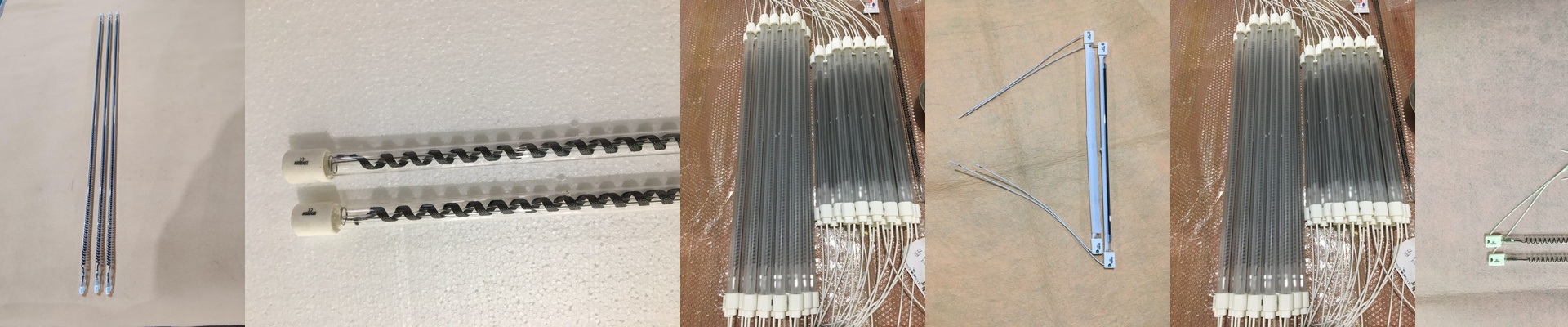
Let’s talk about a heater that actually earns its keep on the factory floor. We built these carbon fiber fabric halogen infrared heaters for the moments when you need heat—fast—and you need it to land on target, every single time. They’re the kind of workhorse that delivers intense heat without taking up a ton of room, which is exactly what busy production lines crave.
Power, Voltage, and Size: What It Feels Like on the Line
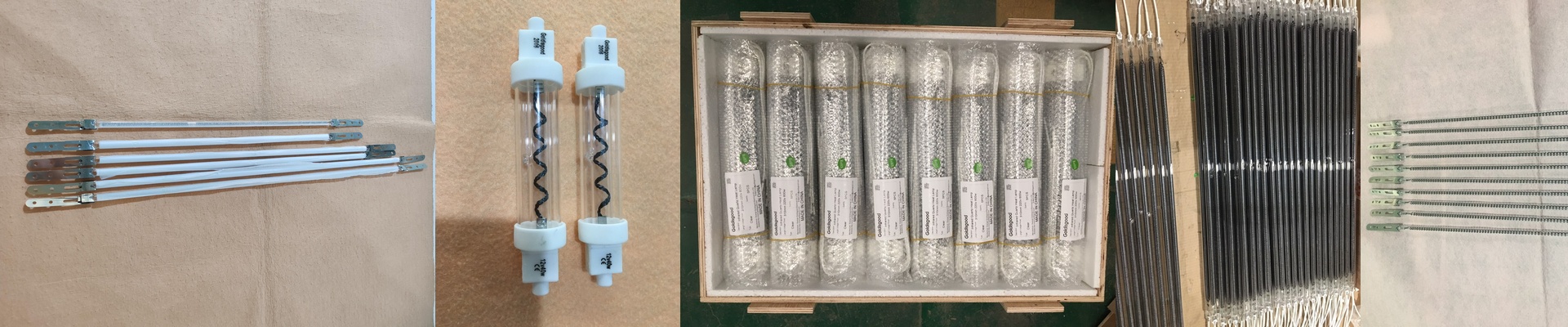
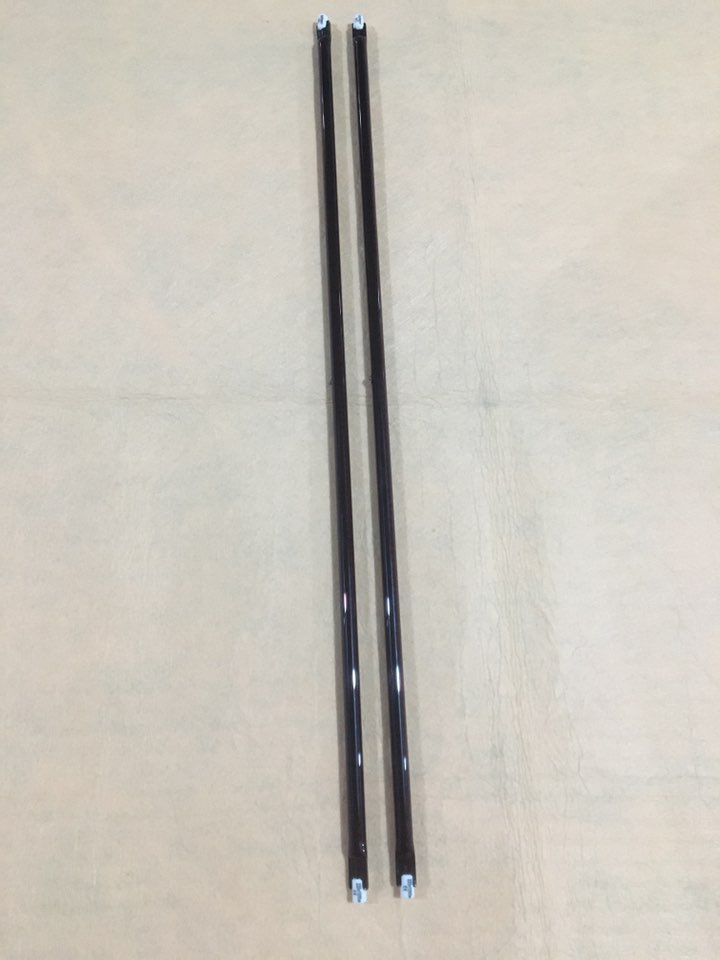
Most of these run at 400V and 2500W, packing a serious punch into a short, 300mm tube. That means two things you can actually feel: it heats up quickly, and it holds steady once it gets there. The 400V choice isn’t just a number on a datasheet. It helps keep the current manageable, so your wiring and contactors stay in their comfort zone—less strain, fewer surprises. And the 300mm length? That’s the part that makes your life easier when you’re retrofitting or planning a new machine. You don’t have to rethink the whole thermal setup just to fit the heater.
What’s Inside: Quartz, Halogen, and a Connector That Won’t Quit
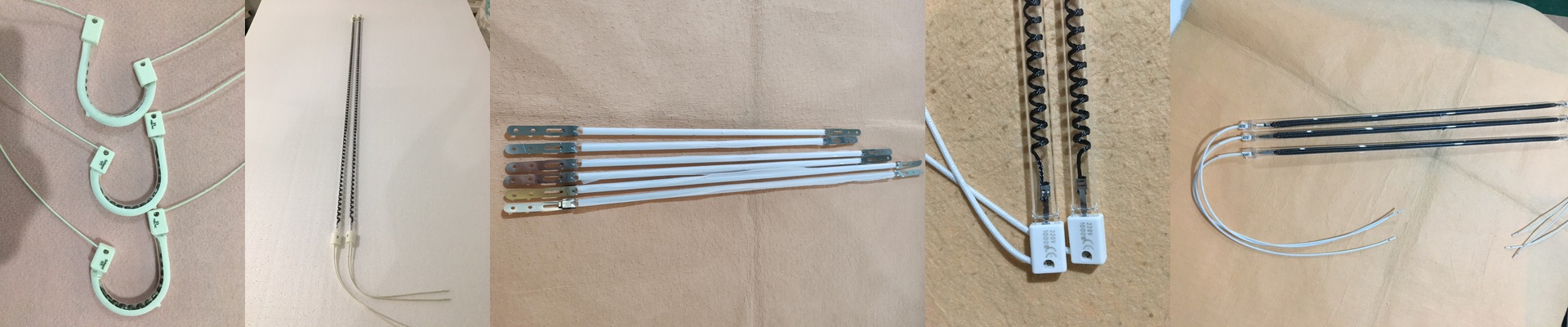
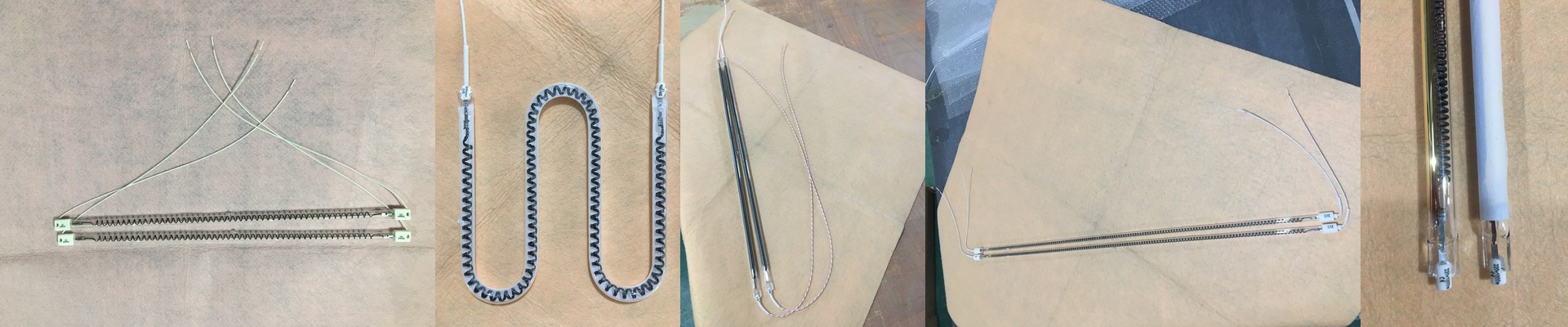
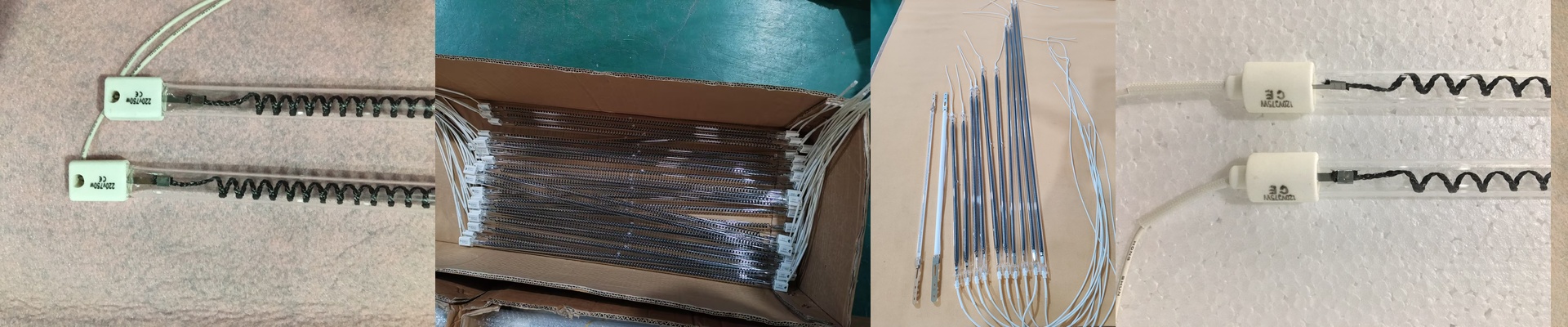
Inside, you’ve got a quartz envelope protecting the halogen element. The carbon fiber fabric design is built to handle thermal shock and keep its shape, even when it cycles on and off again and again. The halogen gas does its part, too, keeping the filament stable so the output stays consistent over time—no drifting performance. Then there’s the R7s connector. It gives you a solid, two-point contact at the end caps, so wiring is straightforward and the connection stays aligned even when the machine is vibrating. This isn’t delicate gear. It’s built to show up, day after day, in a real shop environment.
Where It Works: PET Blowing and the Payoff You Notice
Take PET blowing, for example. These heaters throw focused infrared heat right where you need it, heating the bottle preform surface quickly without turning the whole area into an oven. Because the form is compact, mounting is simpler and service is less of a headache. And that high heat density? It helps cut cycle time, which is the kind of improvement that shows up on the board at the end of the day. One thing to keep in mind: with that much power packed into a small space, you do need proper cooling and thermal shielding. It’s not a drawback—just smart planning. It keeps ambient heat in check and protects everything else nearby.