Introduction
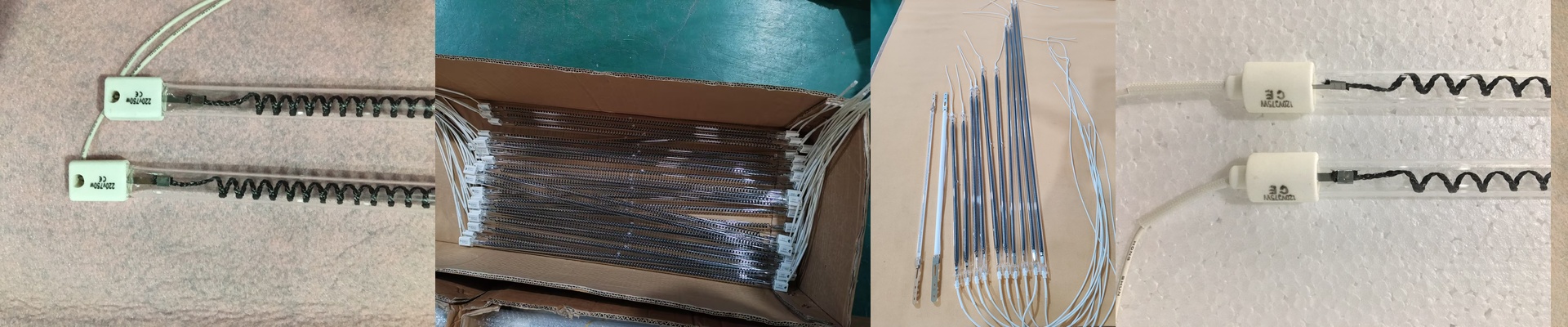
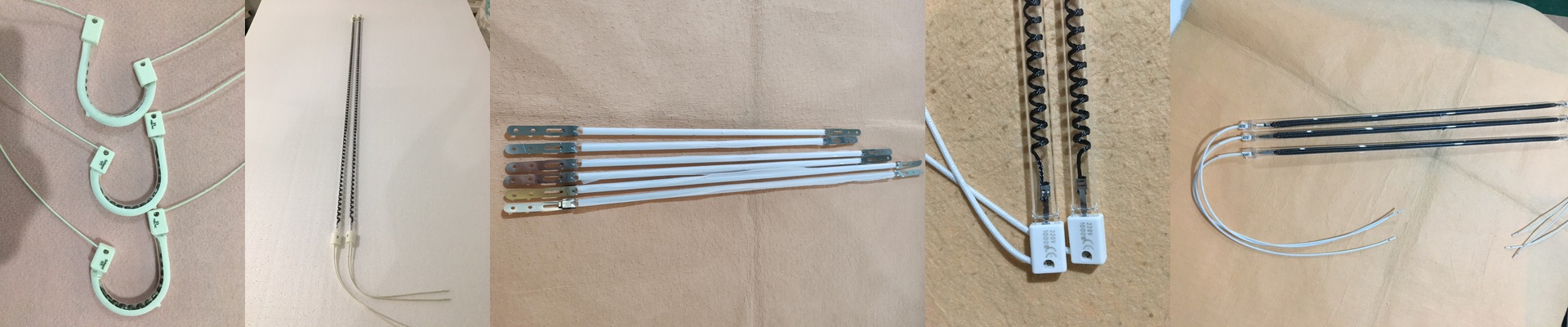
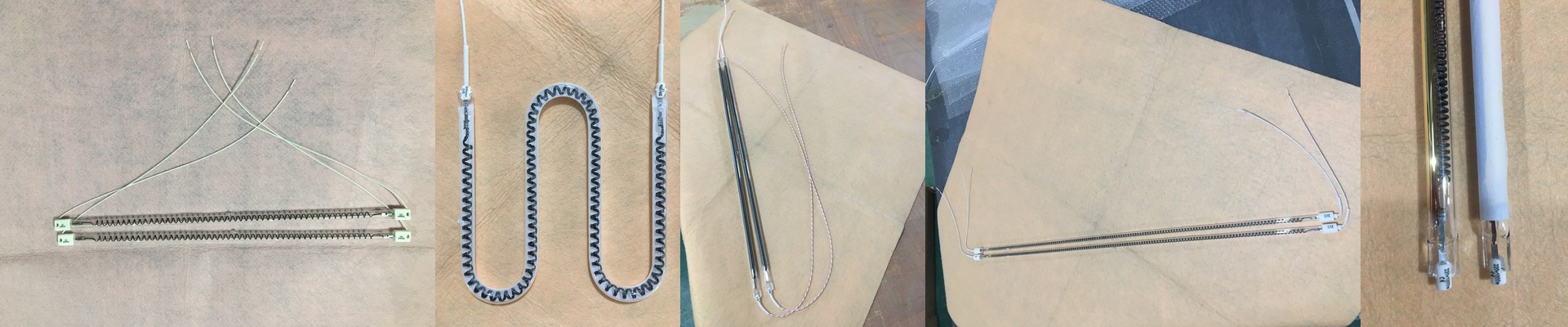
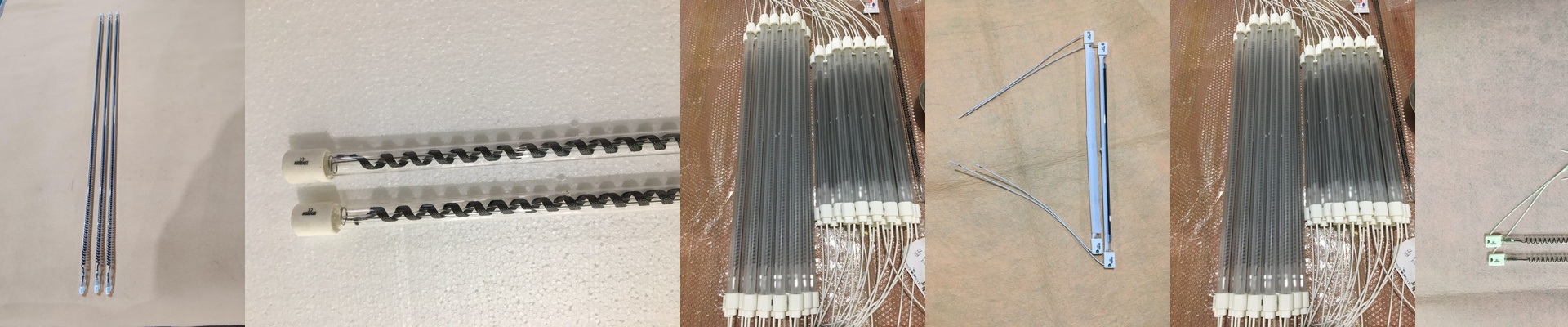
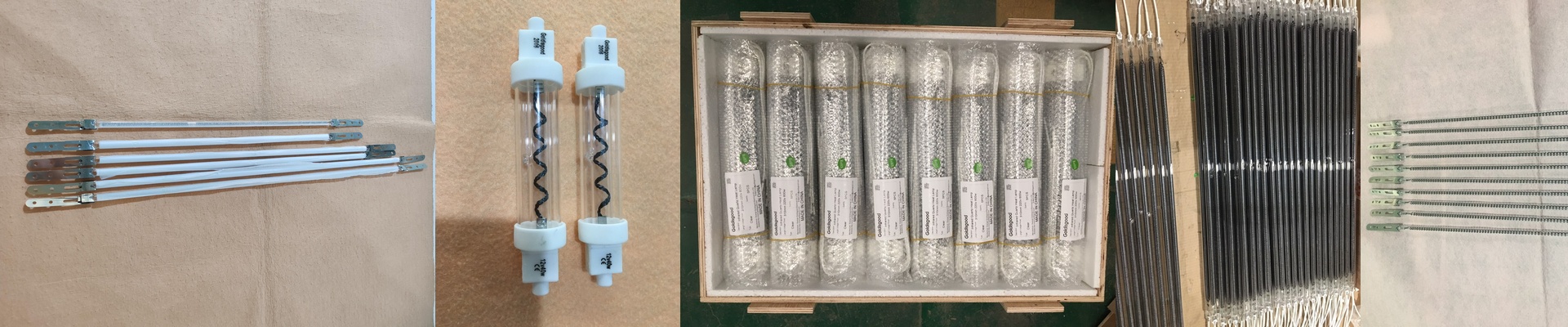
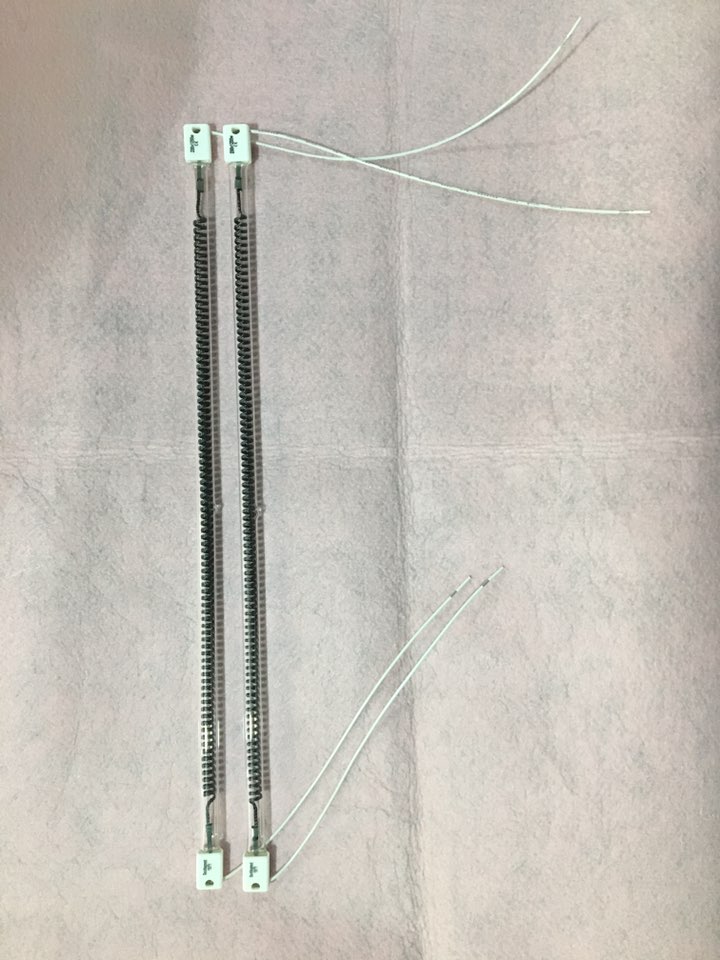
We built this 50mm carbon fiber tube to be a straight-up infrared workhorse—designed for industrial jobs that need heat, fast, and exactly where you point it. If your setup is tight on space and you can’t afford to wait around for things to warm up, this is the kind of element that just gets on with it. It delivers a tight, focused burst of energy without taking up a ton of room.
The Specs, Without the Fluff
That 50mm diameter isn’t just a number—it gives you a consistent heat pattern, which is exactly what you want for spot heating or heating along a line. Pick the tube length and wattage to match what you need: how hot you want to get, and how quickly you need to get there. More wattage density means a quicker warm-up, sure, but it also means you’re putting more heat into the surrounding area. And when it comes to voltage, get it right from the start. Choose between standard mains or a higher-voltage option, so you can wire it cleanly—without over-speccing your cables or stressing your controls.
What’s Inside, and Why It Matters
Inside, you’ve got a carbon fiber filament wrapped in a quartz envelope. That combo is what gives you clean, steady infrared heat that responds quickly and stays even from end to end. Quartz handles the shock of repeated heat-up and cool-down cycles without blinking, so the output stays consistent over time. The R7s base keeps things practical. It locks in solid, gives you reliable electrical contact, and makes the whole tube an easy drop-in replacement for many existing fixtures.
Where It Shines—and What to Keep in Mind
This tube is for the moments when you need fast, localized heating—plastics forming, adhesives curing, coatings drying, or preheating before assembly. Because it heats up fast and throws focused radiation, you spend less time waiting around for the tool to hit its mark. That alone can smooth out your throughput. But here’s the part you don’t want to skip: high heat density means you need proper clearances and solid cooling. Plan your mounting and airflow up front, or you’ll end up pushing the whole system harder than it needs to go.