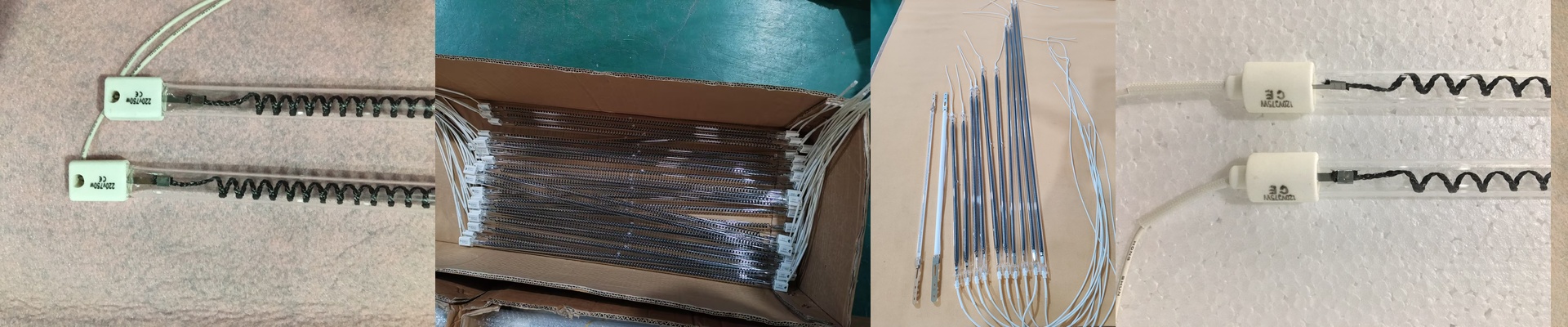
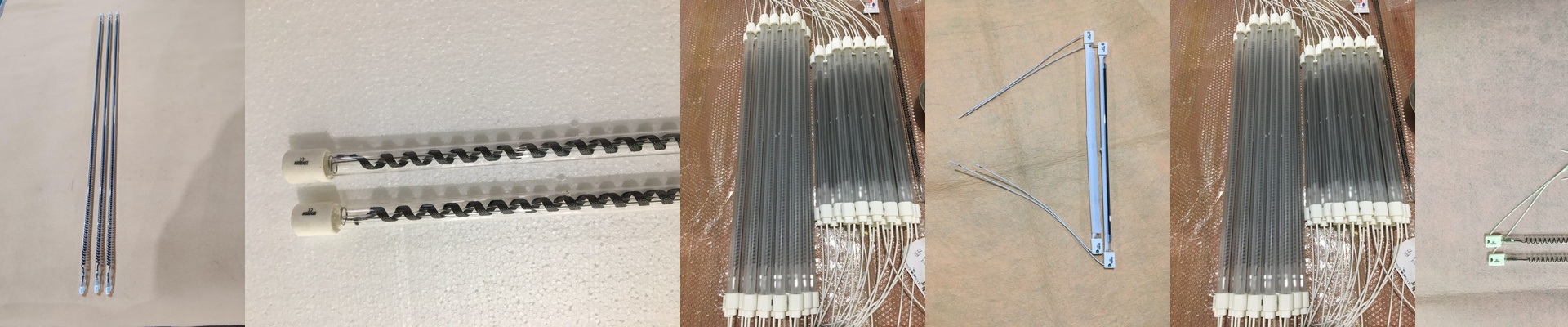
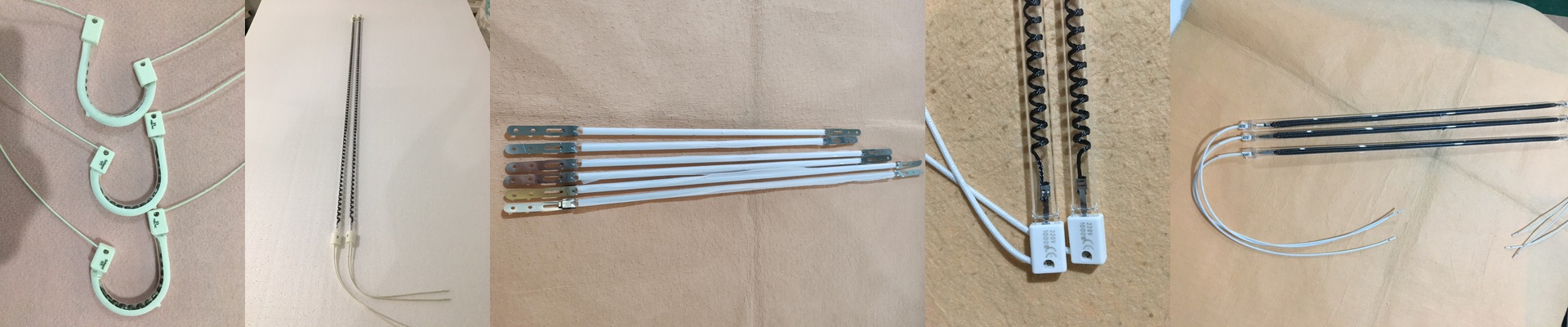
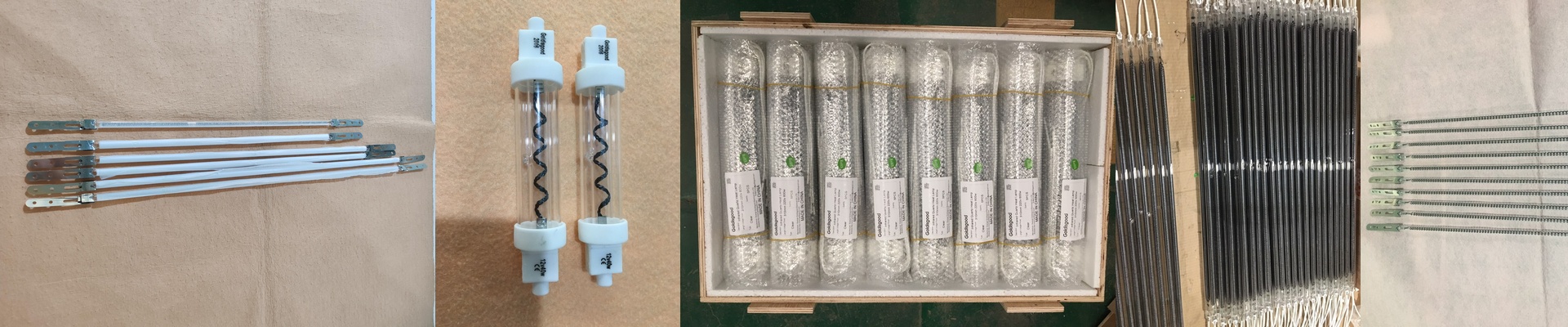
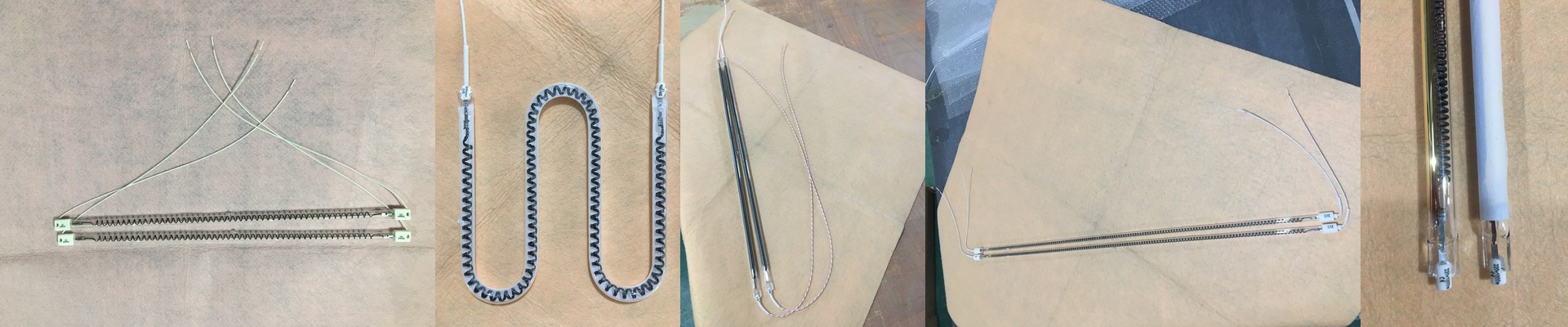
D-Shape Carbon Fiber Tubes: Heat That Actually Gets to Work
We built these D-shape carbon fiber tubes for one reason: to give industrial processes the kind of focused, fast heat that doesn’t mess around. They turn electricity straight into high-intensity infrared, hitting exactly the spot you need on a machine or a production line. If you need a heat source that can be tucked in tight and kept under tight control, this is the kind of engineering that makes it feel effortless.
The real talk on power, voltage, and shape
Specs matter, but what matters even more is how they behave in your setup. We match voltage and wattage to your control system so the heat curve stays predictable—no surprises, no guesswork. And that D-shape? It’s not just a look. It focuses the thermal field onto a specific area, so you get more heat density without just cranking up the wattage. That means serious intensity in a small footprint. But here’s the catch: packing that much power into a tight space means you need solid cooling and proper electrical clearance. Plan for it, and the performance is clean. Skimp on it, and you’ll feel it.
Why carbon fiber makes sense (and feels better)
Carbon fiber elements respond quickly and stay steady, even after repeated heating and cooling cycles. They handle thermal shock better than many ceramic options, so rapid on/off switching is less likely to lead to cracking. The D-shape tube is meant to mount flush against the target surface. That direct contact reduces wasted radiation and boosts coupling efficiency. It also shortens the heat path, so warm-up time drops and repeatability on the line gets noticeably tighter.
Where they shine—and what to watch for
These tubes are a natural fit for plastic processing, curing, and drying—anywhere infrared heat can speed throughput without overcomplicating things. Installation is straightforward. Wire it up, set the distance, and dial in the power. But keep it real: high heat density means you need careful shielding and ventilation. If the surrounding area runs hotter than the rated temperature, or if the tube runs dry against the target, you’ll shorten element life. So do the groundwork first. Get the mounting right. Make sure cooling is in place before you commission the machine. Do that, and the heat does exactly what you need—quick, precise, and dependable.