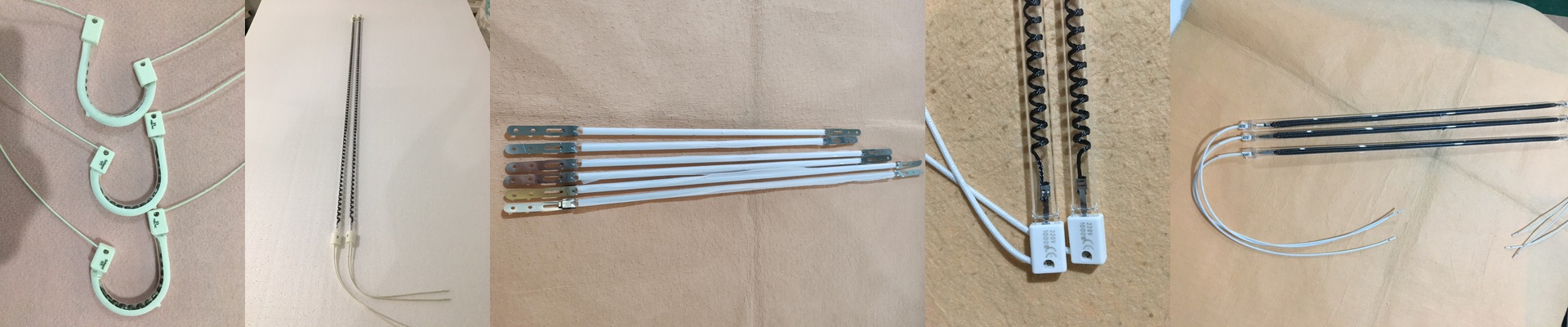
Let’s Talk Carbon Fiber Infrared Heaters
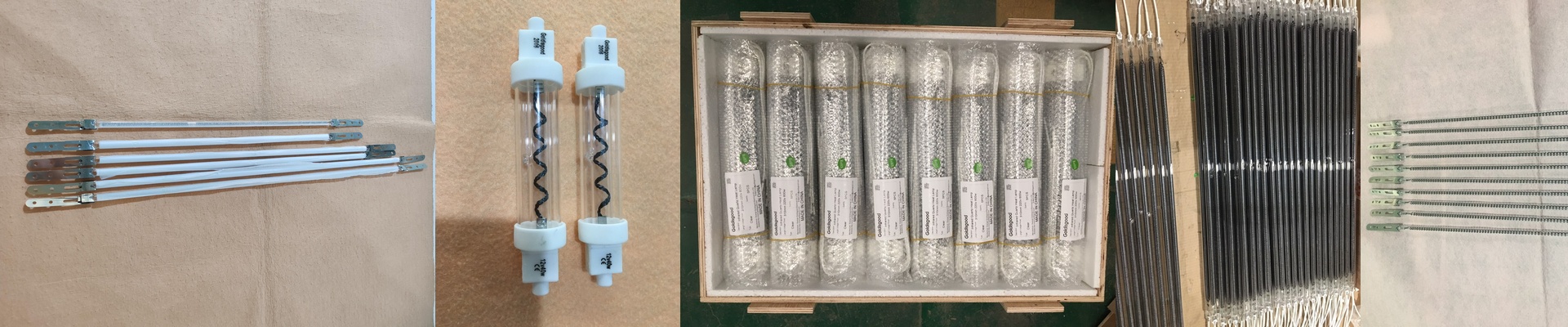
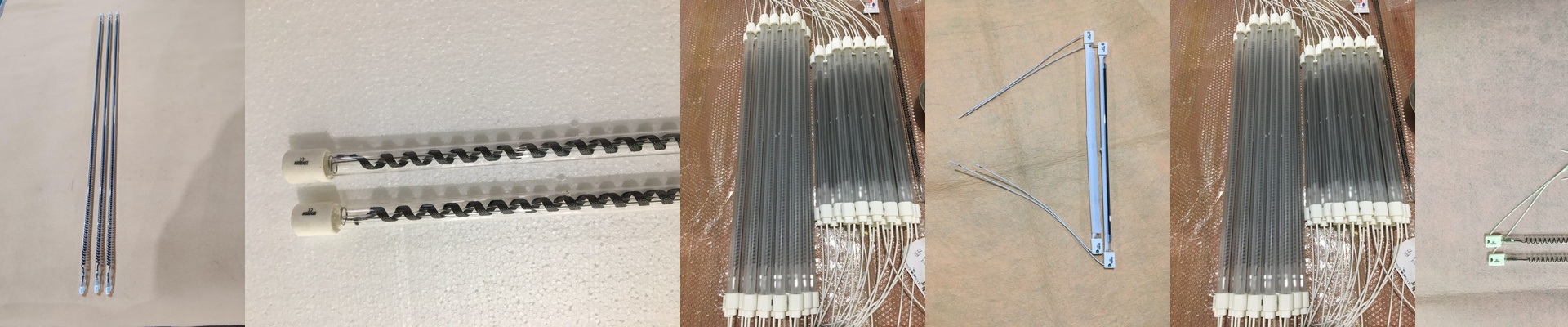
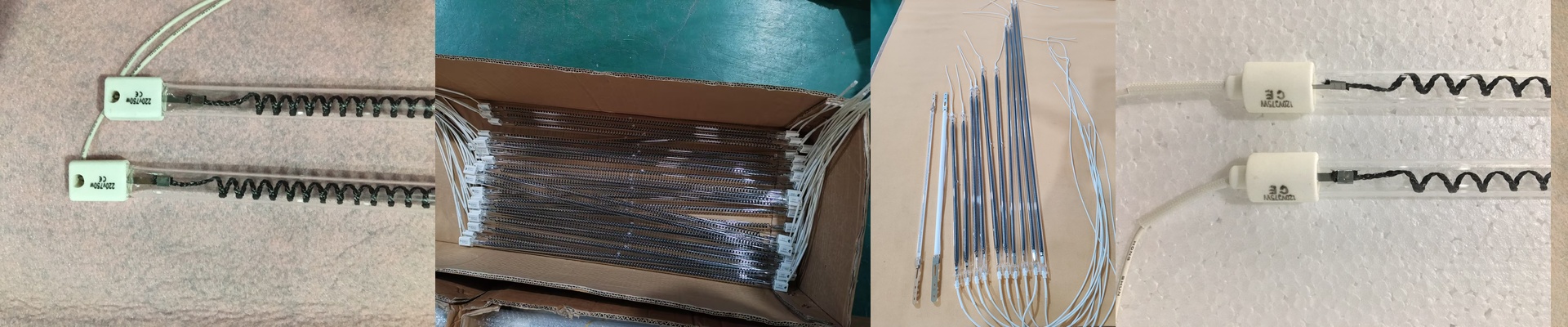
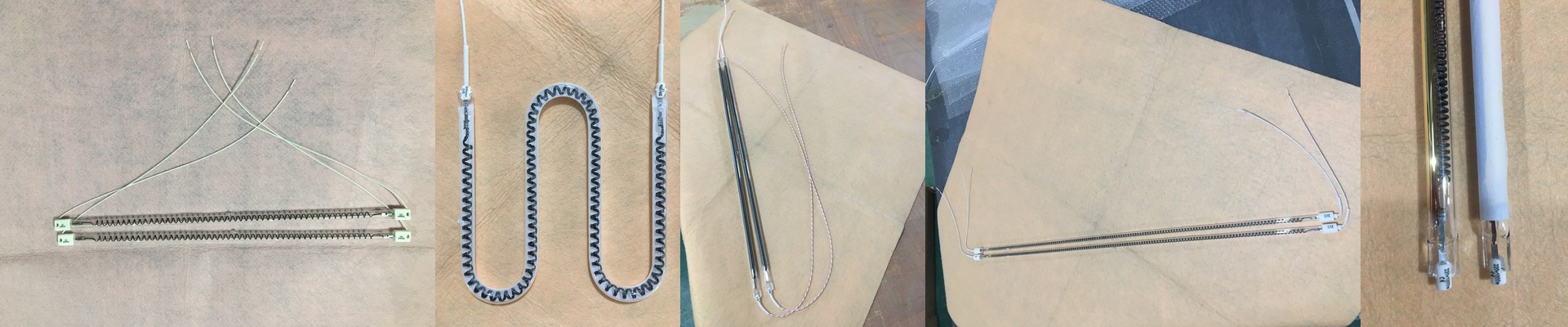
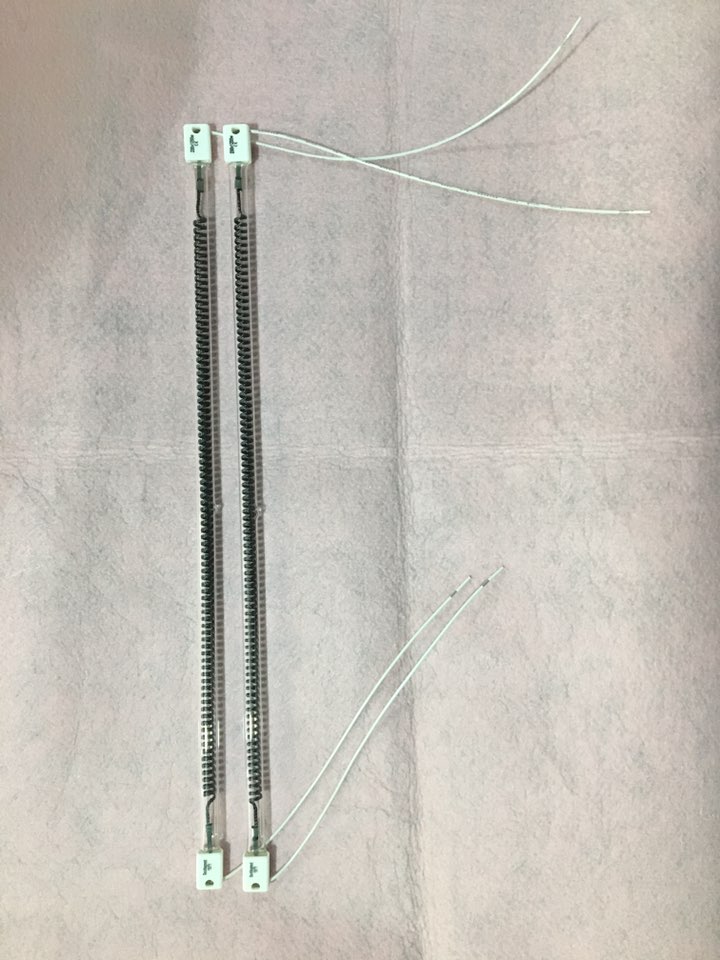
Here is the basic deal: we take a carbon fiber filament, wrap it in a quartz tube, and use it to throw out short-wave infrared radiation. If you’ve used old-school metal coils, you know the drill. Carbon is different. It doesn’t need to get nearly as hot to push out a massive amount of infrared heat. That’s the real win here—you can pump way more energy into your workpiece without worrying about the heating element melting into a puddle. Getting the power right We don’t believe in one-size-fits-all. We pair the wattage and voltage to fit whatever power rail your machine is already running. If we go with a high-voltage setup (think 230V or 400V), your current draw drops. That’s great because you can use thinner wires and smaller contactors. Now, if you want a high-wattage tube, you’ll get a much tighter, more intense heat. But here’s the catch: that kind of intensity puts a lot of stress on the quartz glass. If your cooling fans aren’t doing their job, the ends of the tube are going to burn out way too fast. The build and the fit The quartz tube isn’t just for show; it keeps the carbon from oxidizing. We even offer specialized coatings if you need to shift the heat spectrum or if your shop floor is a mess of chemical splashes that would ruin plain glass. When it comes to plugging them in, we stick to the basics: R7s or Sk15 bases. They’re simple. They drop right into most industrial ovens, so you can swap a lamp during maintenance without having to tear apart your entire heater bank. It’s a huge time-saver. Where this actually helps These things are built for speed. If you’re doing PET blowing, plastic welding, or running drying lines, you want heat now. Carbon gives you that near-instant ramp-up, which means your cycle times drop. Plus, because carbon is just more efficient than metal, you can often dial back the overall oven temperature and still get the same amount of work done. Just a heads-up, though: carbon filaments are brittle. They aren’t like nichrome. You can’t be rough with them, and you definitely can’t let the machine vibrate too much, or you’ll snap the filament. Handle them with care, and they’ll treat you right.