Introduction
We built this custom infrared module with one clear purpose: to keep your brake pad production line running hot, steady, and reliable—all day, every day. Because when you’re running a high-volume shop, the heat has to stay rock-solid. That’s how you keep quality consistent and keep the line moving.
Power and Stability: The Heart of It
Here’s the thing—this system was designed to deliver serious power without ever backing off. We set it up for 400V input, so the heater hits its target wattage and just stays there, even when the line is under full load. That voltage choice cuts down on wasted energy, so the power stays flat, hour after hour. No surges. No dips. Just steady heat—exactly what you need to cure brake pad compounds the right way. But, and this is important—running at this intensity creates a lot of heat. So your machine’s cooling needs to be up to the job. If it isn’t, the electronics will start to throttle back, and that’s when things get messy.
The Build: Built for the Grind
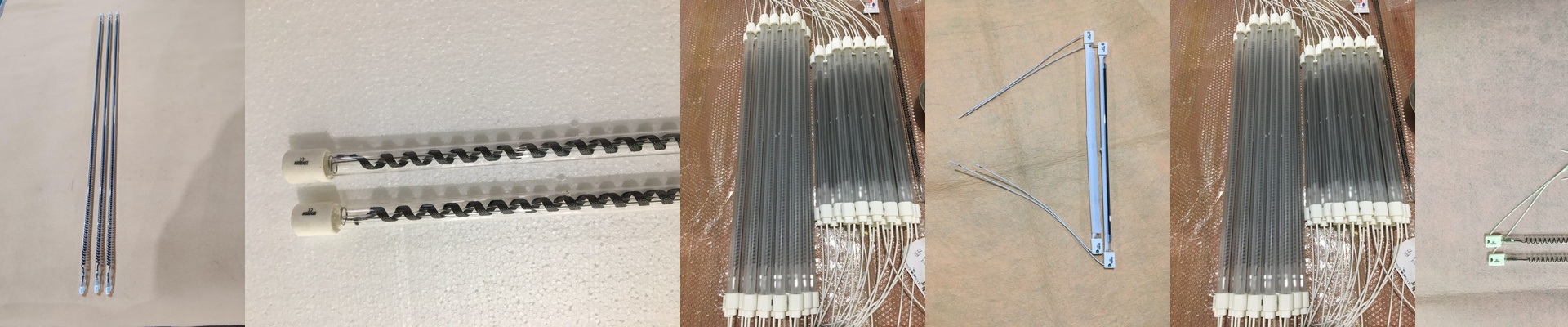
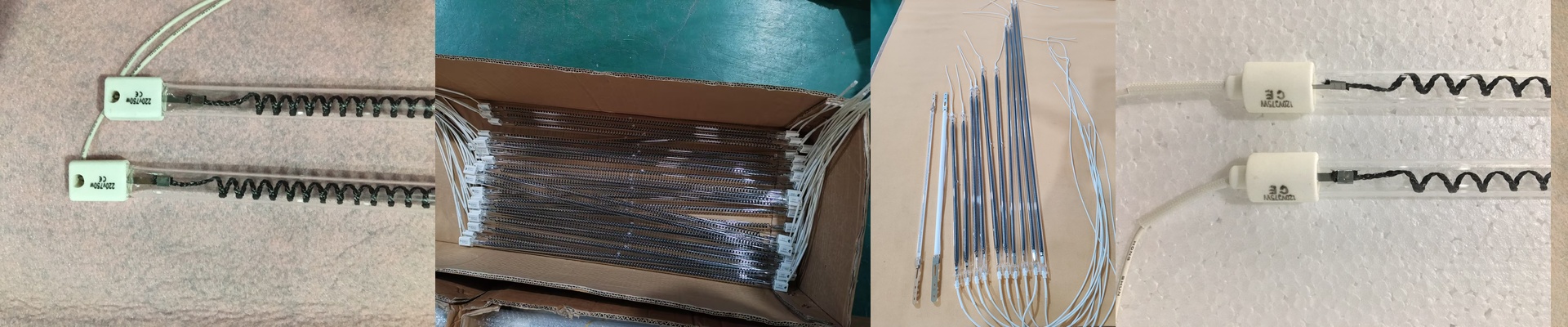
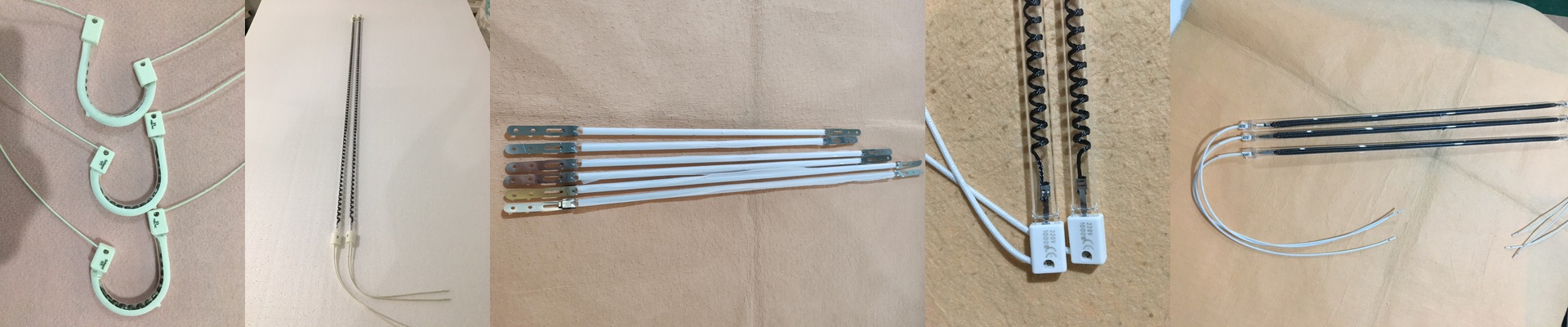
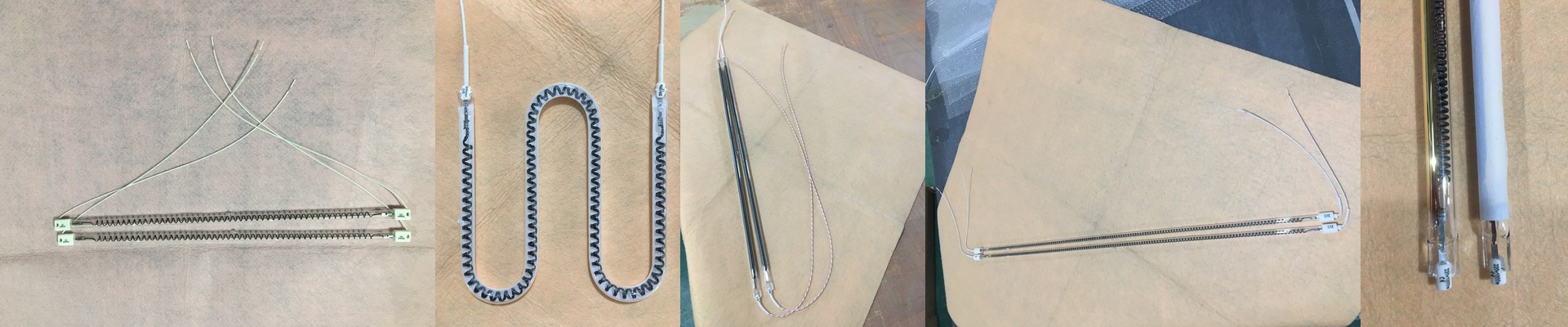
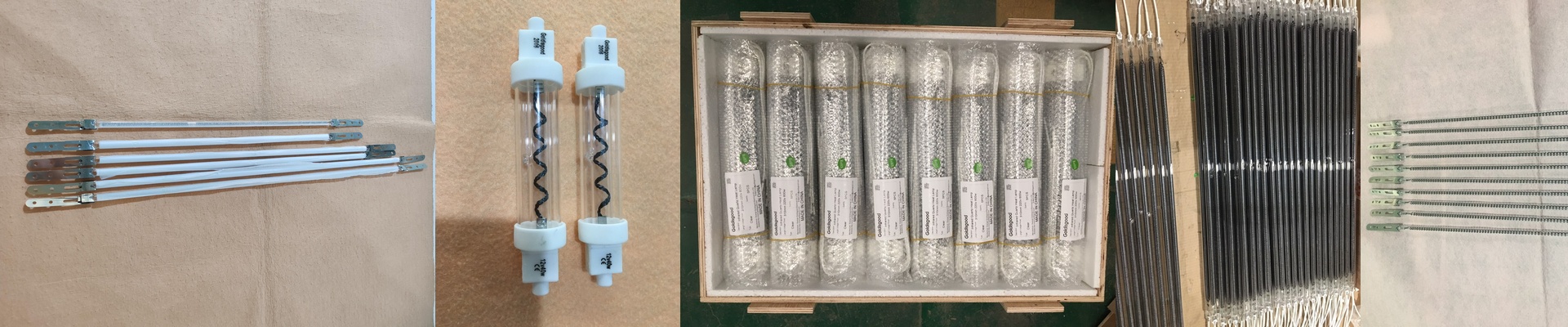
Inside, you’ll find a shortwave infrared halogen tube. The quartz envelope can handle rapid heating and cooling without cracking, and the halogen filament responds instantly, giving you tight control. We also added a special coating to manage how the tube radiates heat and to guard against chemical fumes from the curing process. That coating keeps the element clean and prevents efficiency loss. And the connector? It’s an R7s base—an industrial standard for a reason. It’s simple to wire, locks in tight, and can handle thermal expansion without loosening. That means fewer maintenance headaches and less downtime on the floor.
On the Line: Where It Earns Its Keep
On the brake pad line, this module replaces those older, temperamental heaters. It slips into tight spaces, so you can fit it into compact machine frames without a fight. It turns on instantly—no warm-up wait—and the spectral output is tuned to hit the pad surface directly, so you’re not wasting a watt. For engineers, it’s a straight swap that just keeps running, day and night. The whole thing is built to take a beating—vibration, dust, and thermal shock are all part of the design. Just remember: the trade-off is heat. Make sure you’ve got enough airflow or water cooling to match the heater’s output. When everything’s set up right, you get curing that’s consistent, cycles that are faster, and a lot fewer rejects rolling off the line.