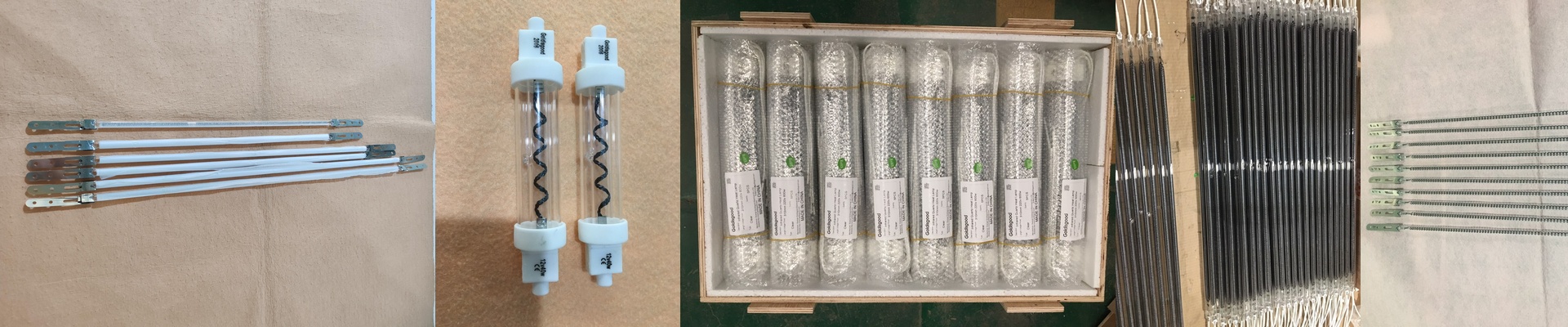
Let’s talk about the power behind our sauna heaters.
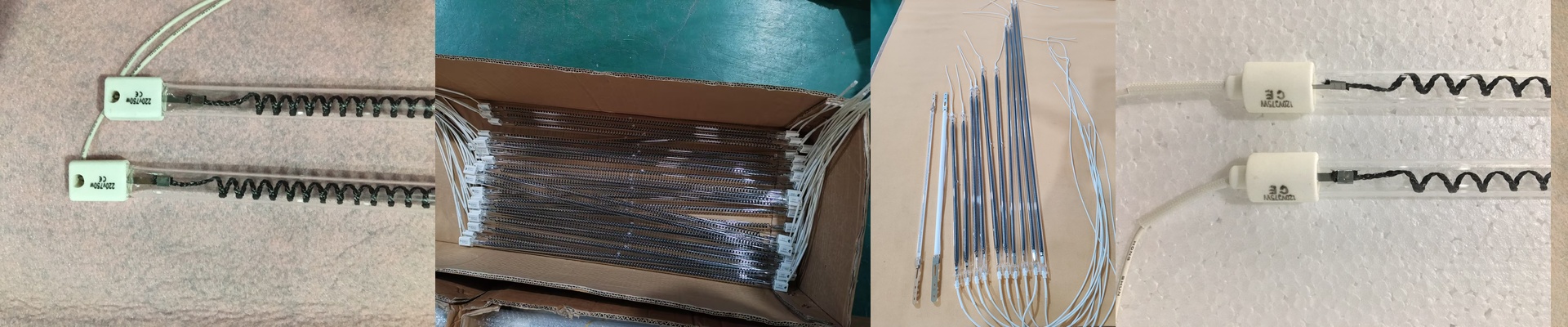
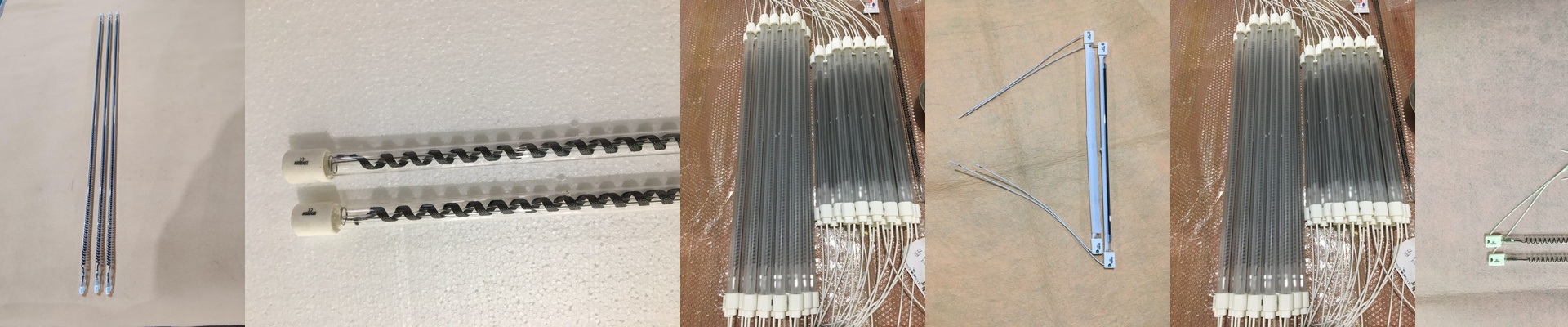
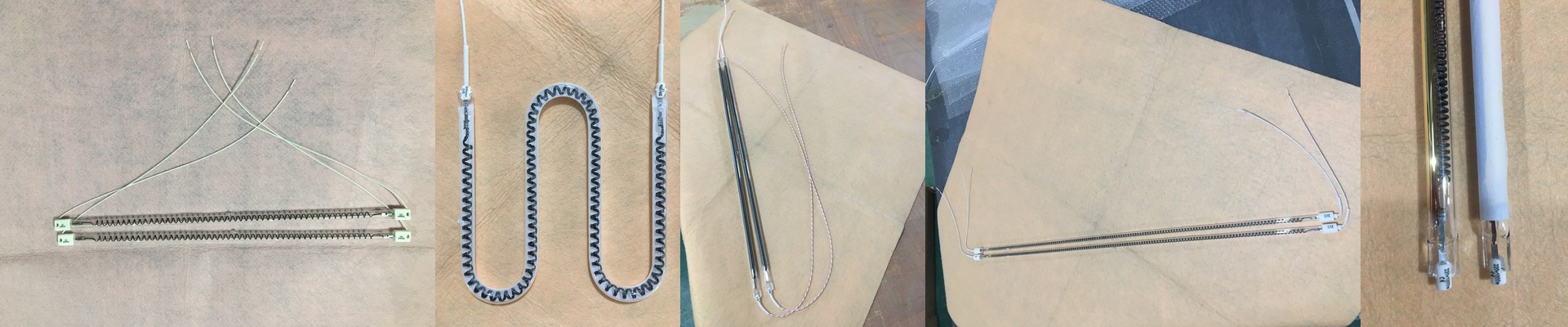
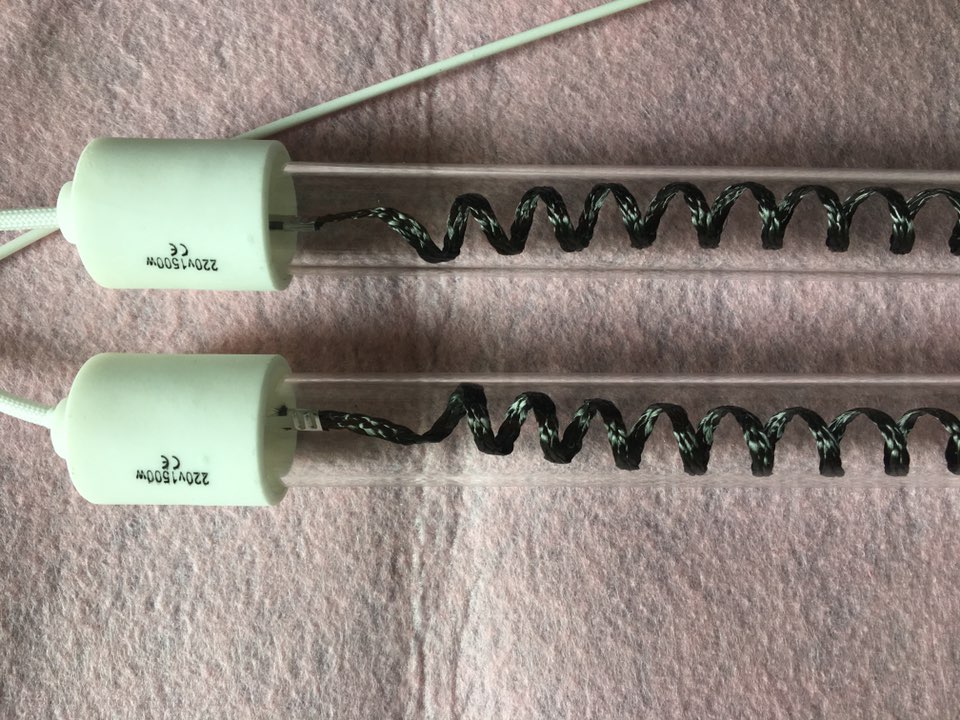
Here’s the thing about our infrared carbon heater panels: we built them to give you steady, predictable heat without taking up a ton of space. We use a carbon element that gives us just the right amount of resistance. That lets us hit the wattage we want, at a standard voltage. The payoff? The electrical draw stays sensible. So your wiring and controls don’t have to be over-the-top. Need more power for a quicker warm-up? We can tweak the element length and resistance. Just make sure your supply voltage matches your control setup.
Why carbon, and why the right connections matter.
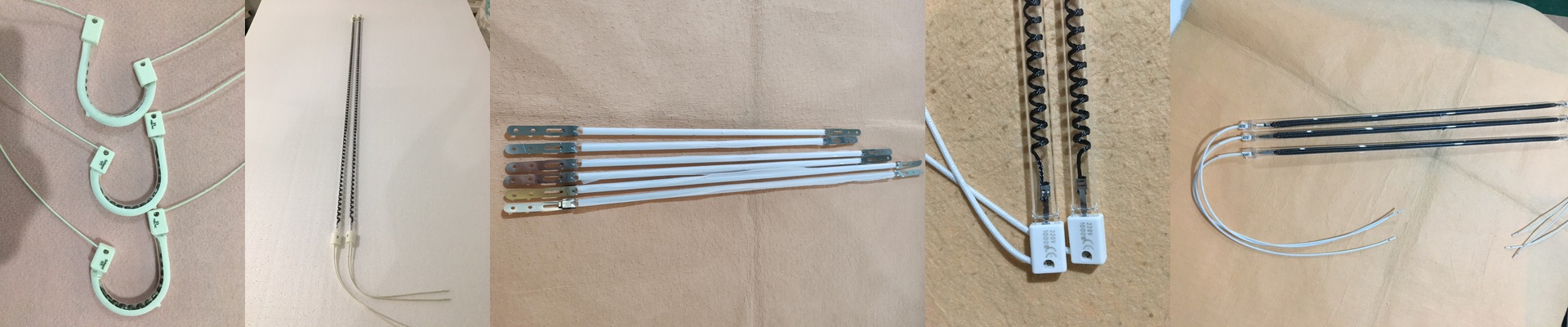
Carbon heaters can handle serious heat without getting brittle and failing like some metal elements do. We pair the carbon element with a quartz envelope, filled with halogen. Why? Because quartz shrugs off thermal shock, and it keeps delivering steady heat, no matter how many times you turn it on and off. Those R7s or SK15 connectors aren’t random. They manage the way the quartz expands when it’s hot, and they keep the electrical connection solid. Install them straight. Seriously. If they’re crooked, you’ll get arcing, and that’s a headache you don’t want.
The sweet spot: intense heat, with real-world limits.
In a sauna, you want infrared heat that hits fast and evenly, without turning the air into an oven. Carbon panels pack a ton of heat into a thin profile, so you can mount them close to the user without bulky housings. But there’s a trade-off. That kind of heat density needs careful spacing and airflow, so you don’t get hot spots and you don’t stress the materials nearby. We design these as drop-in units, but you still need to plan the mounting, the clearance, and the thermal protection on the control side.