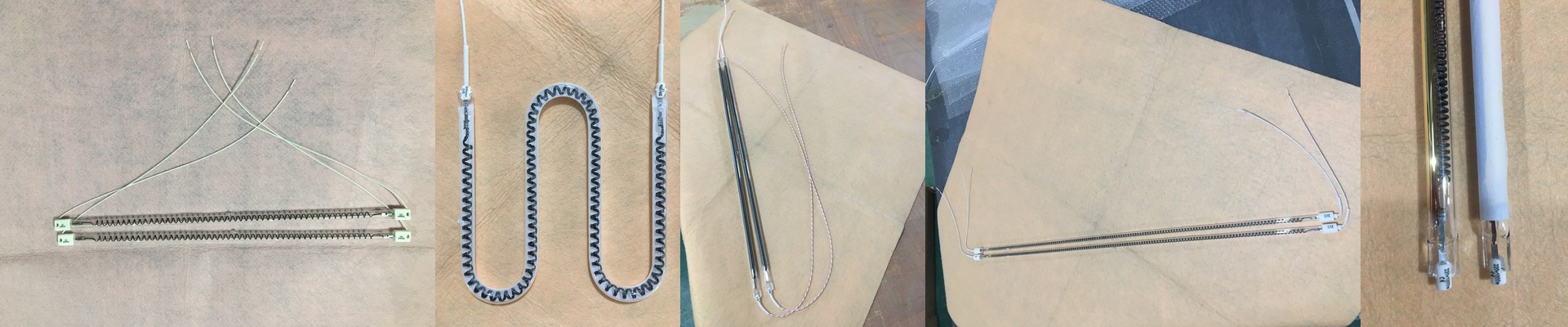

Getting Your IR Emitters Right for Different Brake Pads
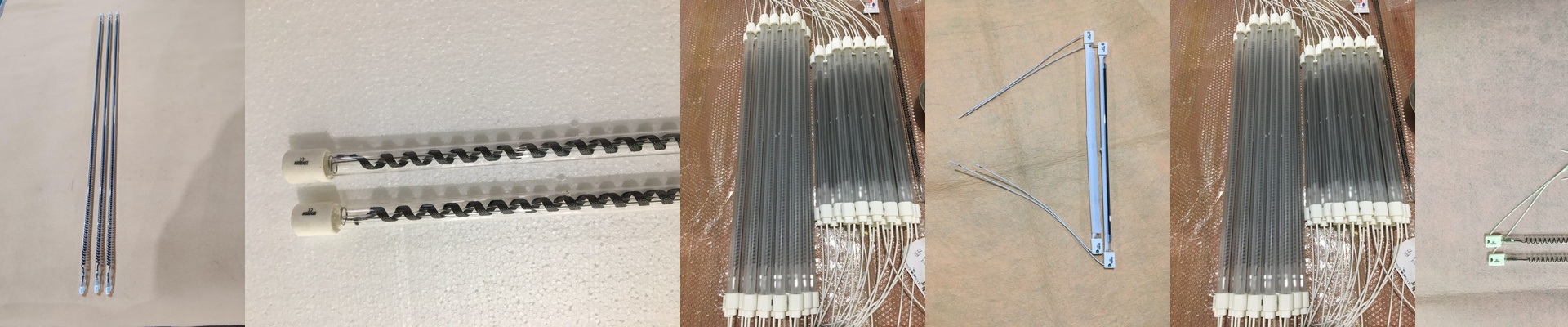
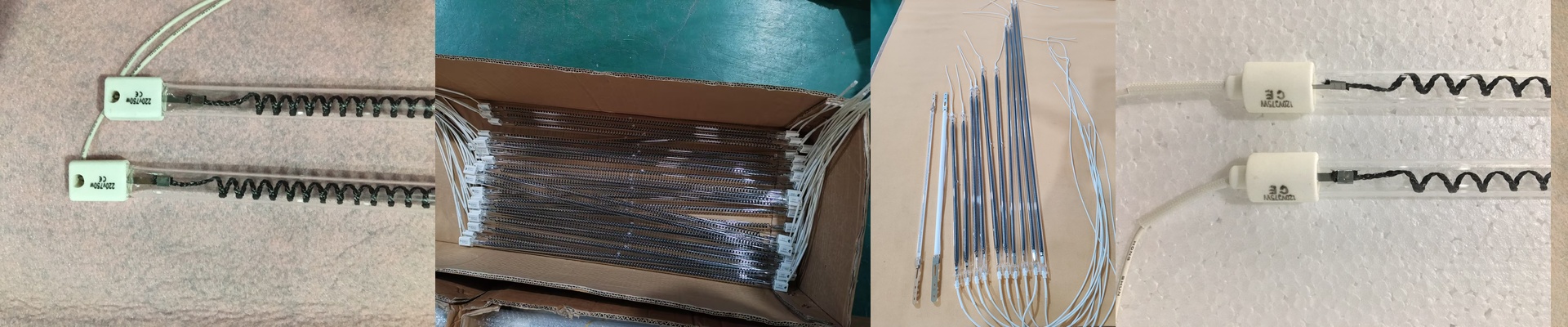
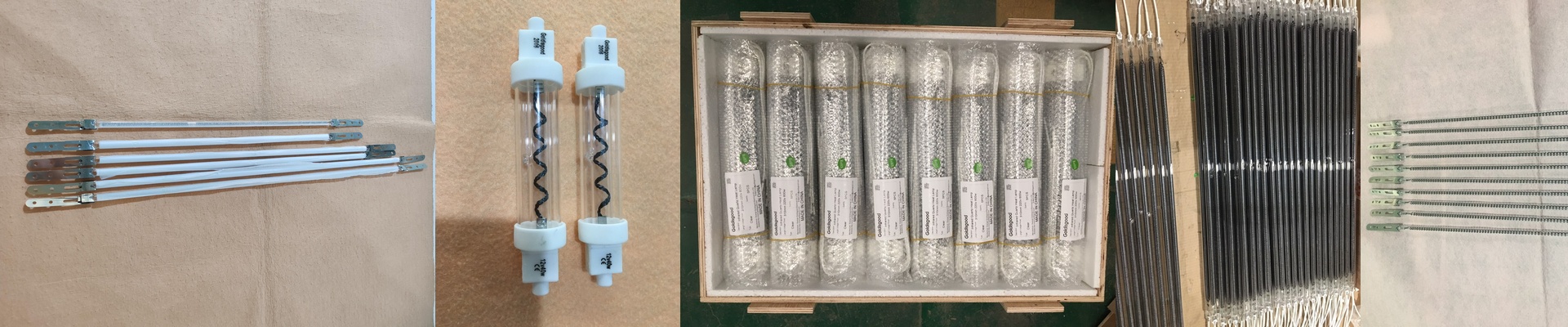
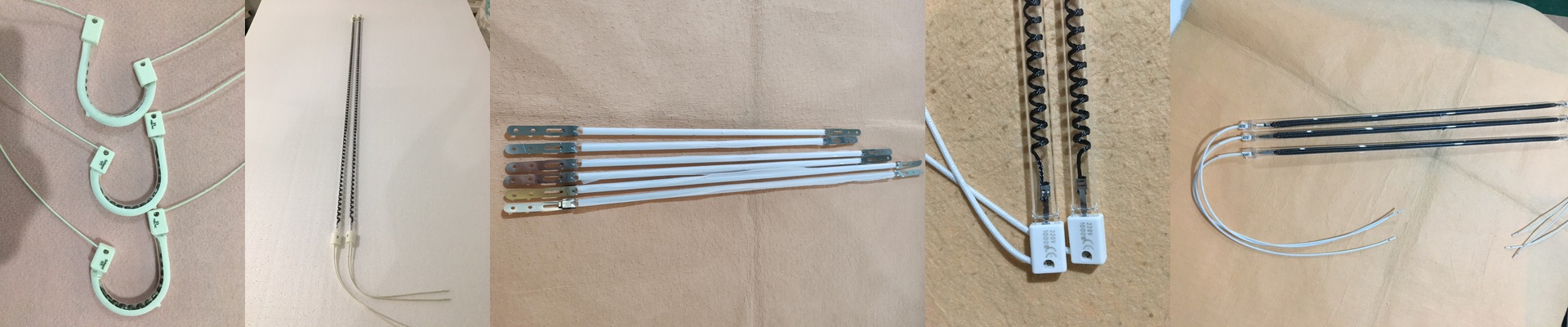
Here’s the thing about ceramic and semi-metallic brake pads: they don’t handle heat the same way. If you just throw a generic infrared setup at both, you’re asking for trouble. You’ll likely end up with pads that are scorched on the outside but raw in the middle, or worse, completely uneven curing. We don’t do “generic.” We look at how each material actually absorbs heat so the warmth gets deep into the friction material without frying the resins.
The tricky part about absorption
Semi-metallic pads have a lot of metal in them. That means they tend to bounce IR radiation right back. Ceramic pads are a different story—they soak up heat differently across the spectrum. That’s why we get picky about the wavelength. Whether it’s short, medium, or long-wave, it has to match the material’s “sweet spot.” If you use a short-wave emitter on a surface that reflects everything, you’re just wasting power and heating up your machinery frame for no reason. Not ideal.
No “one size fits all” here
We aren’t in the business of selling the same lamp to everyone. We dig into the thermal conductivity of your specific material to figure out the right wattage and how far apart the emitters should be. For those dense ceramic pads, we crank up the heat flux to get the core temperature moving faster. But you have to be careful with power density. Sure, a high-wattage array cuts your cycle times down. Sounds great, right? But it can lead to “skinning.” That’s when the surface cures way too fast and traps gases inside the pad. It’s a nightmare. We tune the ramp-up rate specifically to stop that from happening.
Dealing with the real world
Matching the emitter to the material is a huge win, but it’s only half the job. You need a precision controller that won’t freak out when the load changes rapidly. And a heads-up: higher power densities put a lot of stress on your cooling fans. If your ventilation isn’t built for that kind of heat, your electronics are going to take a beating. We provide the thermal mapping for you. That way, you know for a fact your setup can handle the output without melting down.