Stop the Warp: Getting Brake Linings and Trim Right with IR
Ever pull a brake lining or a piece of interior trim out of the oven only to find it’s warped? Or maybe it just doesn’t sit flush because it “sprung back” during curing. It’s frustrating. The problem is usually that the part is being heated like a giant block. When you blast everything with the same temperature regardless of the shape, internal stresses build up. That’s where the dimensional instability comes from. We fix this by using short-wave infrared lamps with zonal control.
Why “Zonal” is the Secret
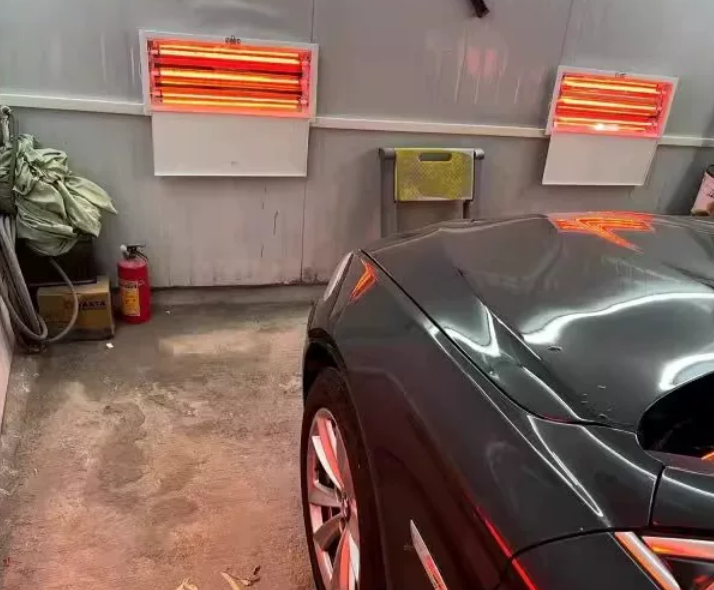
You can’t treat your curing tunnel like one big toaster. It doesn’t work. Instead, we break the tunnel into several independent stages. This lets us tweak the power of the IR lamps in each specific zone to create a thermal gradient. Here’s the real magic: short-wave IR actually sinks deep into the resin or composite. It means the core of your brake lining cures at the same speed as the surface. If you just use hot air (convection), you end up with a “burnt” surface and a raw center. That’s a recipe for deformation.
The Gear (And the Gotchas)
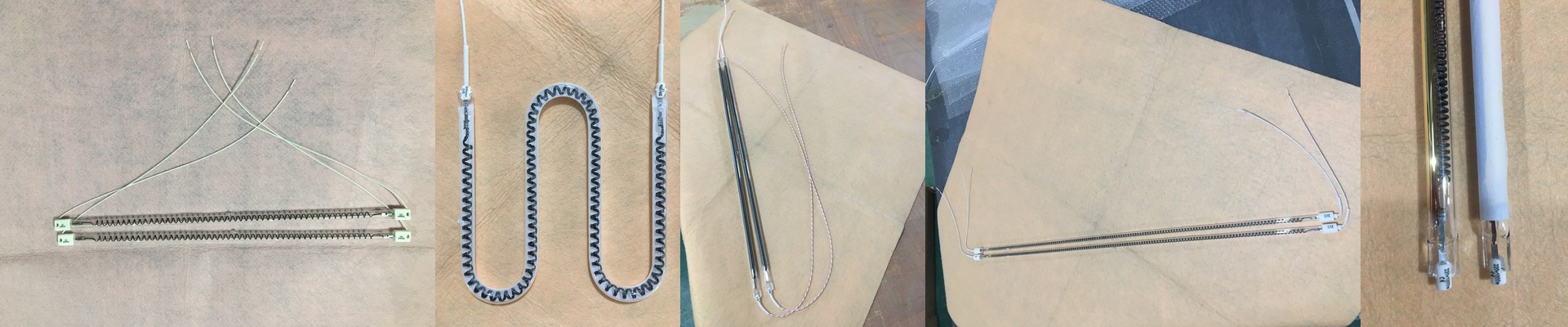
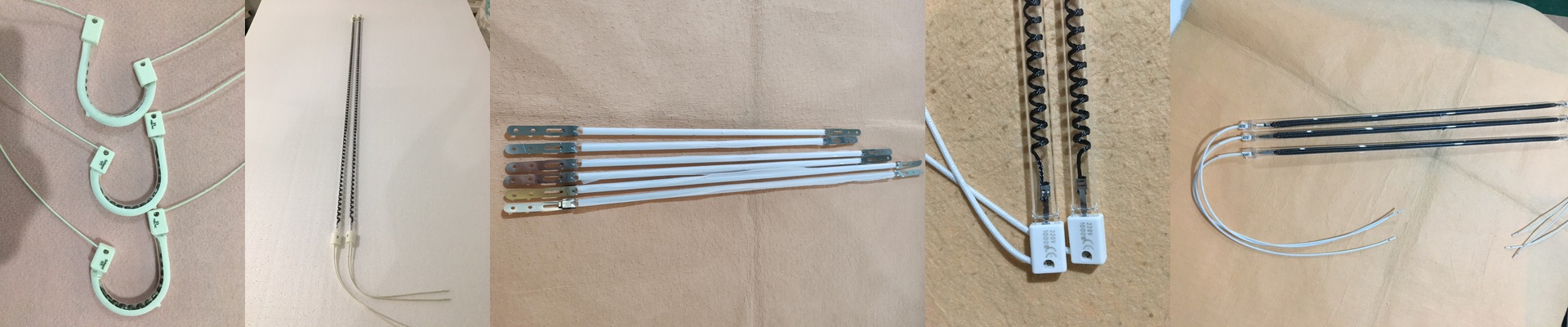
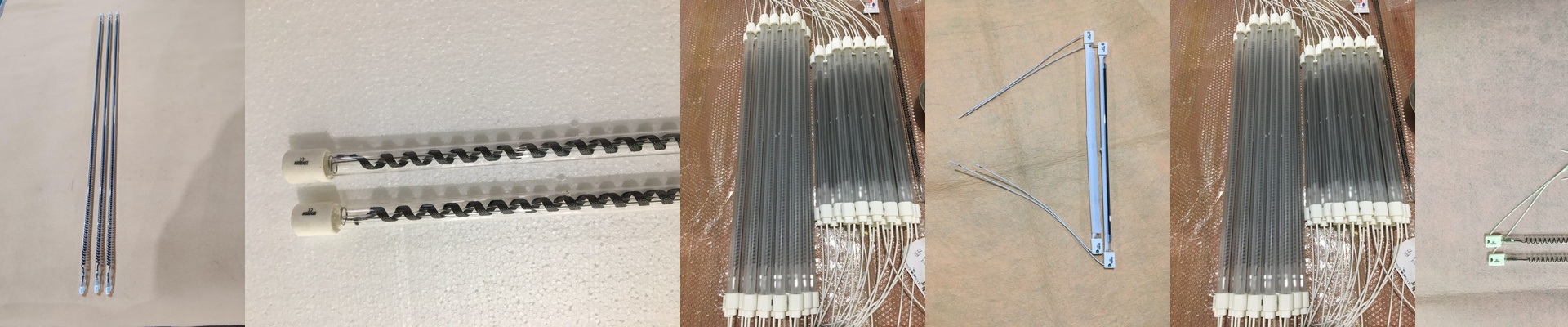
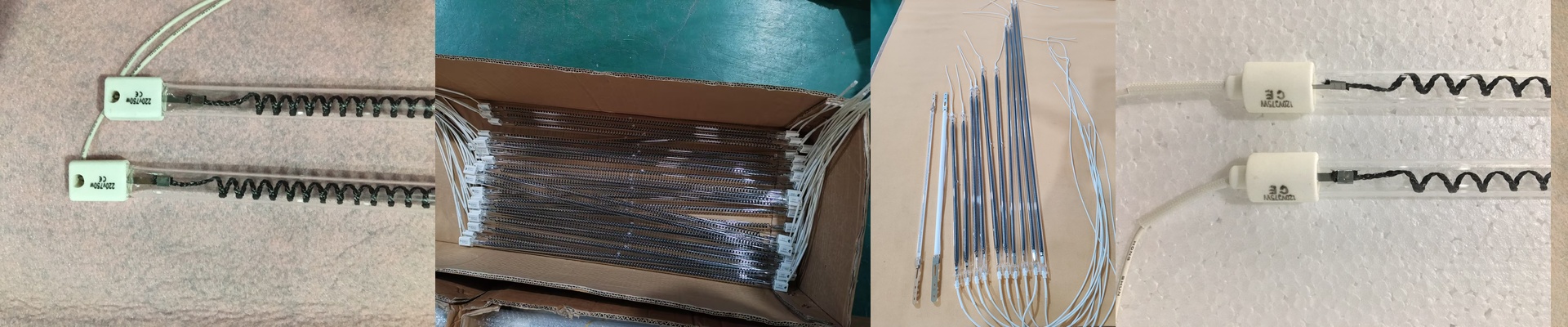
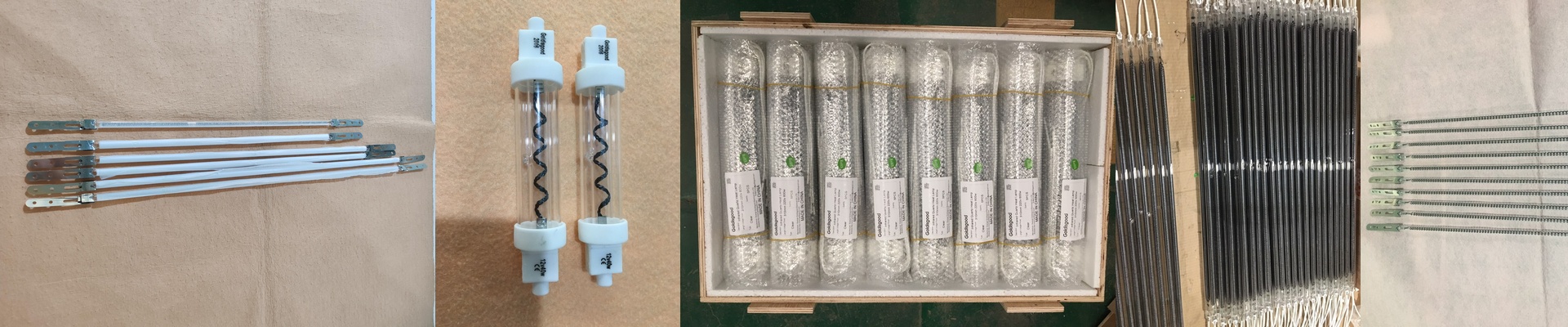
We usually go with high-wattage quartz halogen tubes. They pack the heat density you need to keep cycle times fast. To keep things precise, we wire them into PID controllers with thermocouple feedback. It keeps the temperature within about ±5°C. But a word of warning. These emitters put out a massive amount of heat. If your exhaust and cooling systems aren’t up to the task, you’re going to have problems. You’ll risk burning out the lamp ends or even warping your own oven housing. Don’t skimp on the ventilation.
No More Guessing Games
When you have zonal control, you can actually “set” the shape of the part by managing how it cools down. By dialing in the heat intensity across the length of the part, you stop that uneven shrinkage that causes spring-back. It takes the guesswork out of the whole process. You stop hoping the parts come out straight and start knowing they will. Every single time.