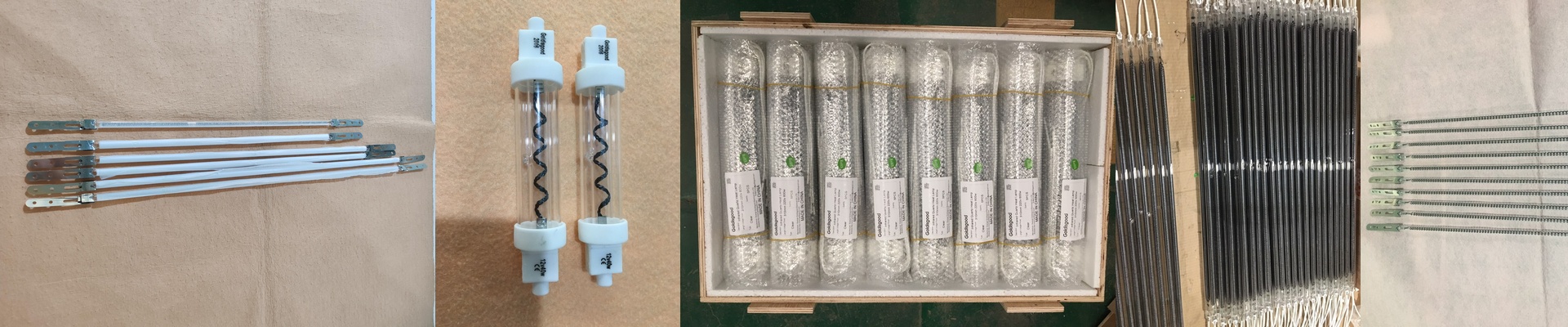
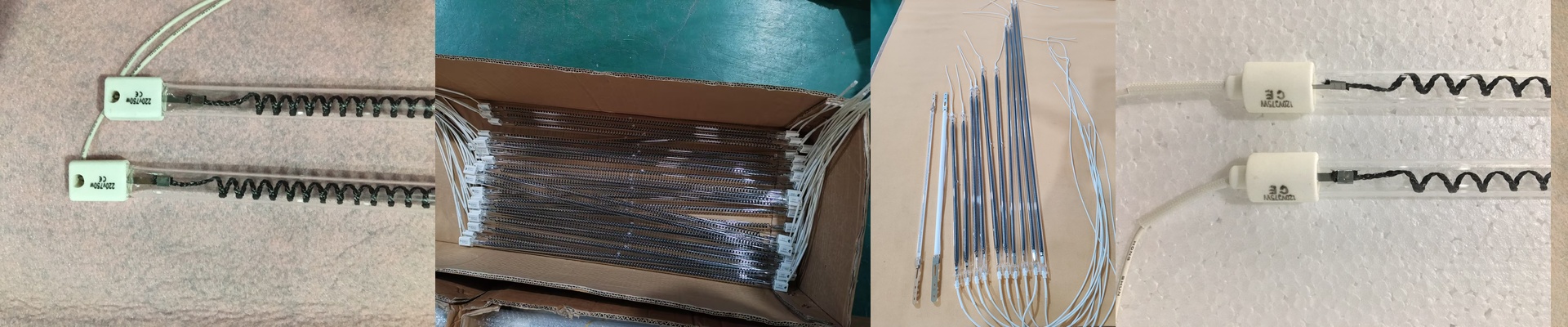
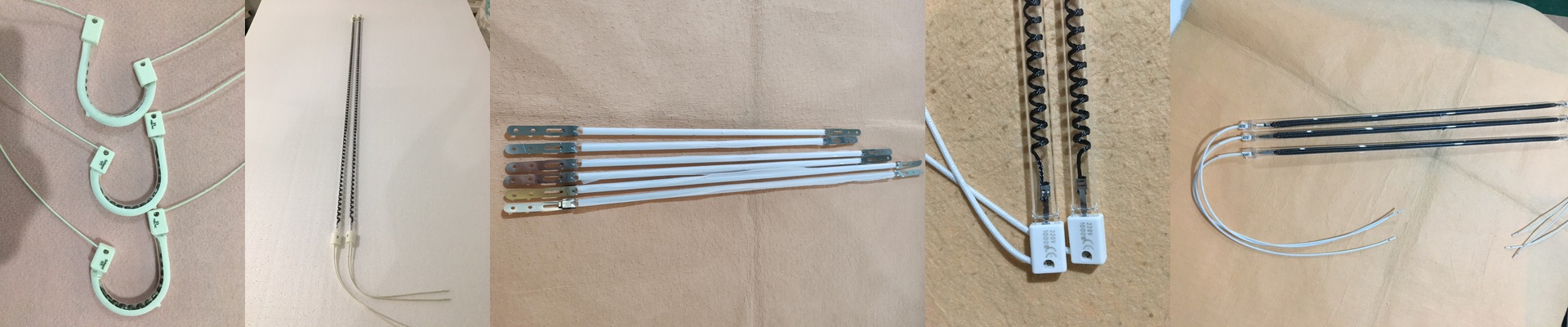
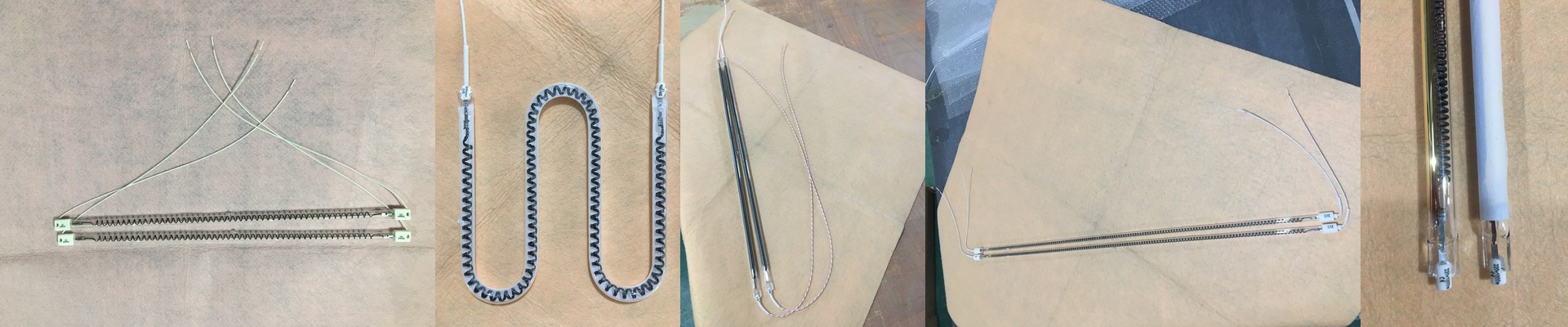
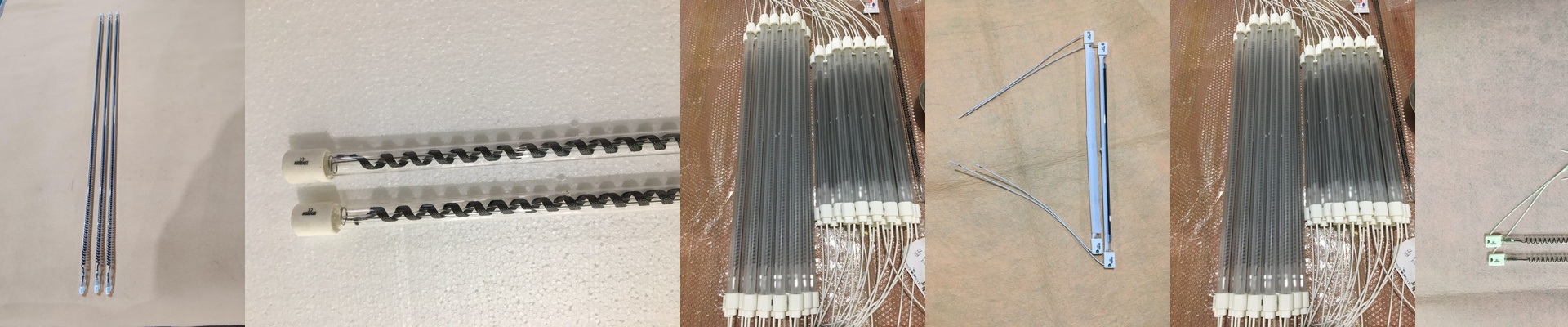
We built this carbon fiber heat lamp for the toughest spot in a drying furnace: where space is tight and the heat has to come on strong, every single time. The whole point? Pack serious power into a small footprint, and make it reliable enough to run cycle after cycle without flinching.
Power, voltage, and the way it fits
A typical unit runs at 2500W and 400V, so you get a lot of punch without a bulky footprint. The tube is just 300mm long, which keeps the heat focused right where you need it. That means you hit target temperatures fast, instead of trying to warm up the whole chamber. High voltage also helps keep the current lower. That lets you use smaller conductors and cuts down on voltage drop over the run, so wiring it into existing control panels is simpler. But here’s the catch: packing that much power into a short tube creates heat. You’ve got to plan for cooling. Make sure your furnace airflow and contact ratings can handle it.
What it’s made of, and why it matters
The tube is quartz, because it can take thermal shock and transmits shortwave infrared cleanly. Inside, a halogen fill keeps the filament stable, fights blackening, and supports steady output over a long life. The carbon fiber element gives you high resistance and a rapid heat-up, so the lamp responds quickly when the line starts—and stops—without lag. And the R7s connector? It’s a straightforward two-pin ceramic design that handles the heat at the ends and drops right into standard fixtures. No fuss, just a solid fit.
What this looks like in a drying furnace
In practice, you get fast, localized heating that shortens cycle time and helps even out temperature across the product. The shortwave profile gets right into coatings and moisture, and the compact tube slips easily into tight reflector assemblies. You get repeatable heat control with low maintenance—as long as the lamp and the furnace are matched properly. If the cooling is undersized, the lamp will run hotter than it should, and you’ll shorten its service life. So pair it with the right ventilation and thermal load, and it just works.