Introduction
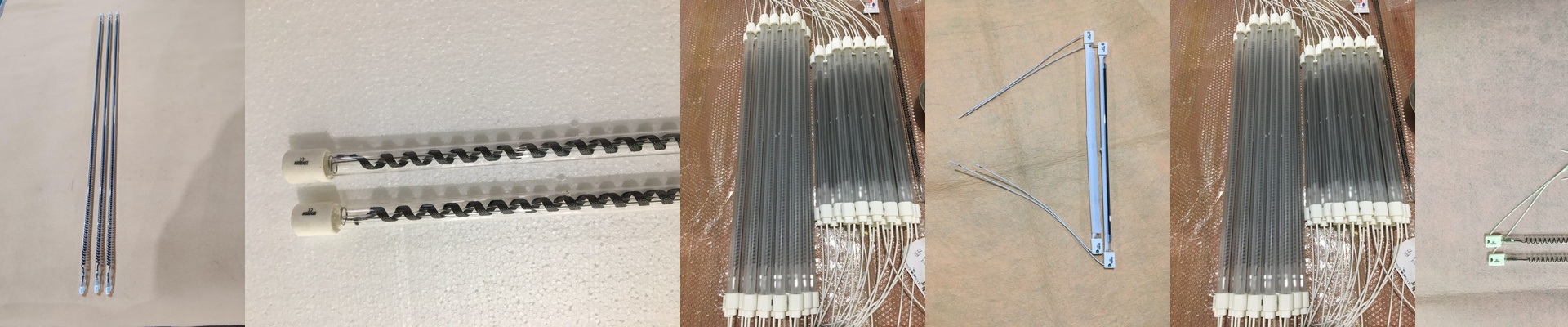
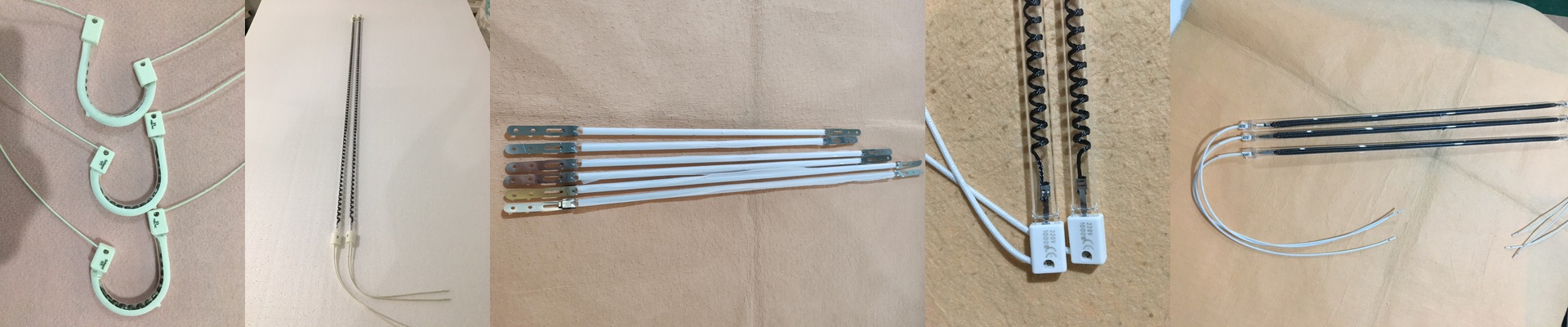
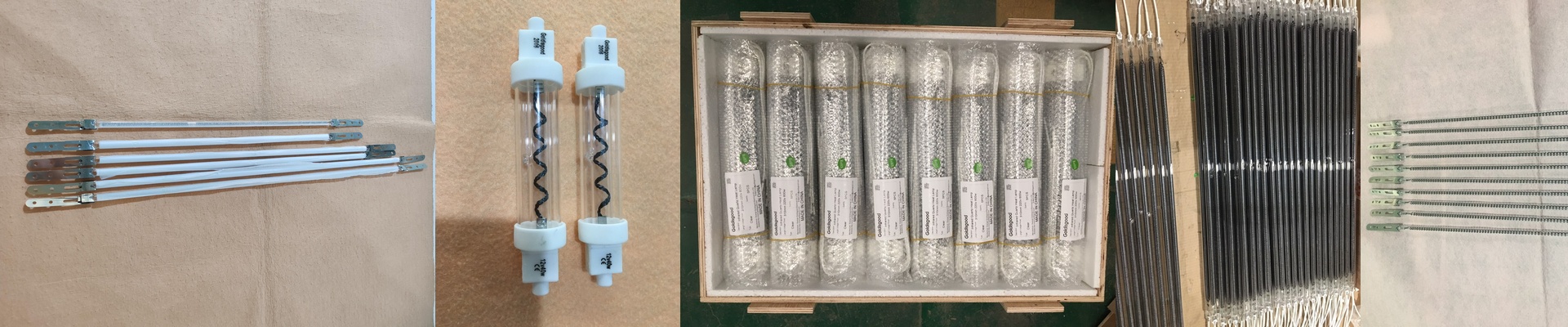
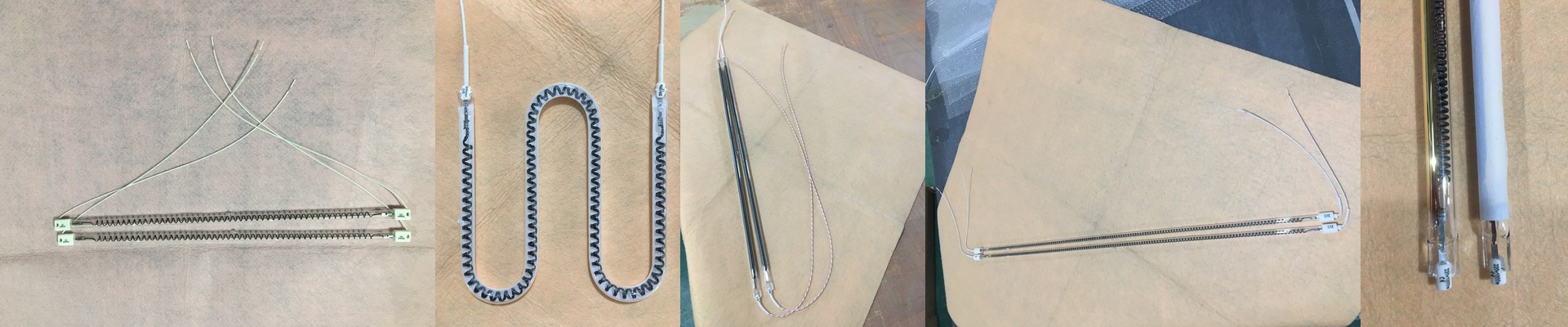
Picture this: you’ve got an engineer on your team who needs serious heat, but they’re working with tight space and a tighter deadline. No time to redesign the whole machine. That’s exactly why we built our carbon fiber halogen heating tubes. They’re the compact, high-output powerhouse you can wire straight into what you already have. The result? Instant, focused infrared energy that warms up fast and gives you the kind of precise temperature control you can actually rely on.
What’s Under the Hood
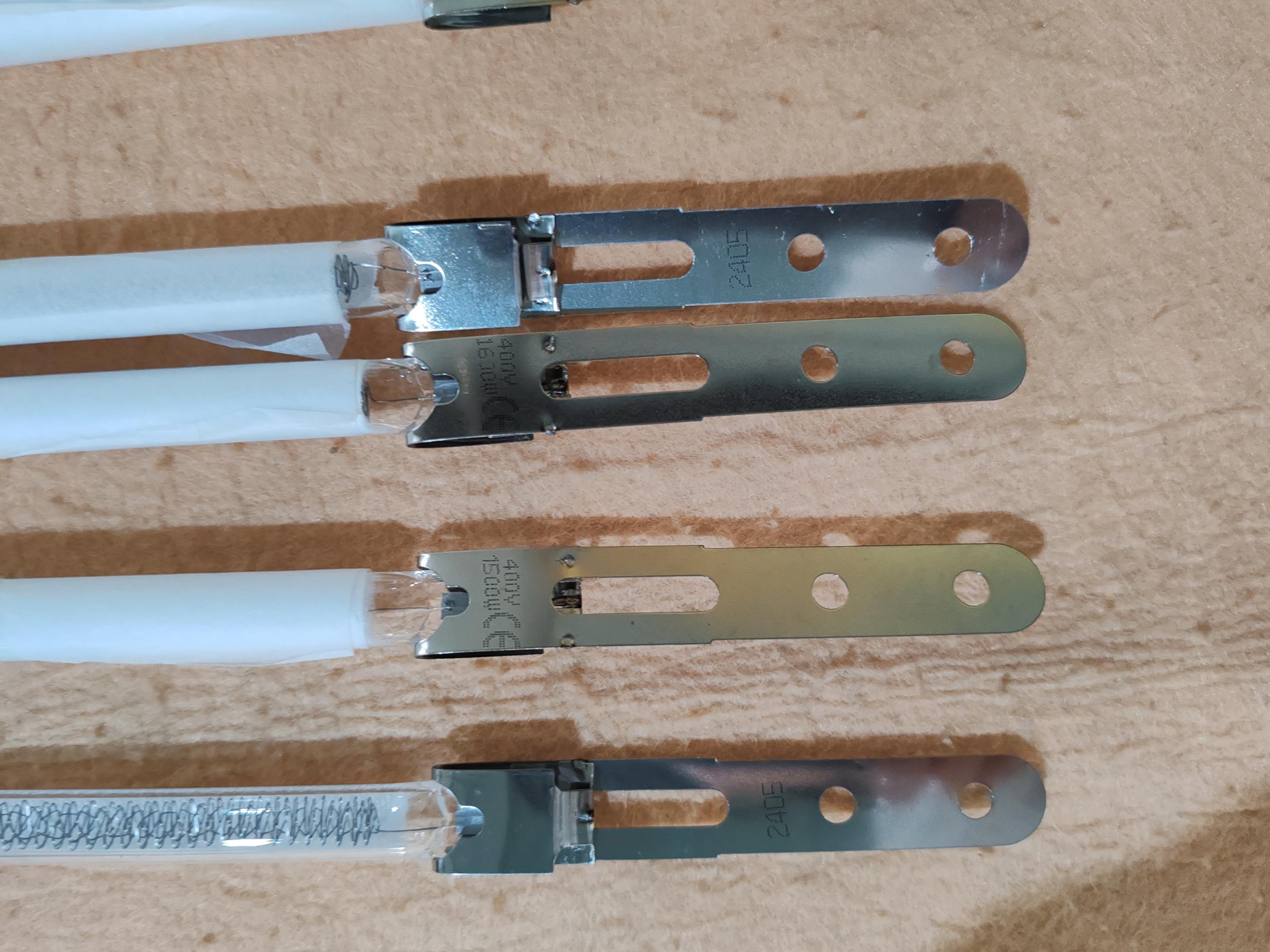
Let’s talk specs, but keep it real. We keep the heated zone focused with a 300mm tube length. It runs on a 400V rating, so you can pull serious power straight from a standard industrial setup. And at 2500W, you get a ton of heat packed into a tiny footprint. It’s perfect when you need to hit a specific spot and heat it up fast. Here’s the secret: it all works because the electrical design is perfectly matched to the shape. Shorter elements can handle that kind of power, but only if the materials and connections are built to take the strain. And they are.
The Build
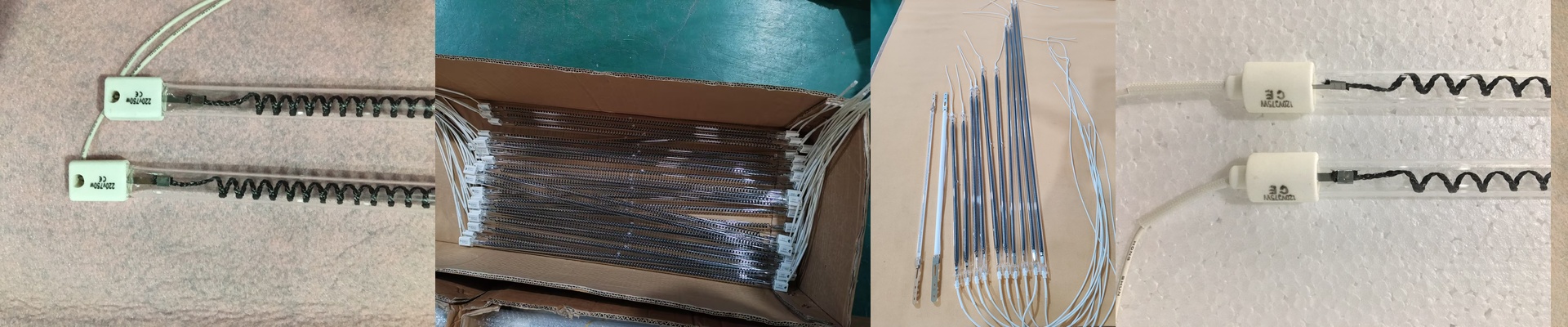
The magic is in the details. The halogen cycle keeps the quartz envelope clean and clear, so the heat output stays steady over the tube’s entire life. Inside, the carbon fiber elements fire up instantly and spread the heat evenly. No more hot spots that can ruin a product or kill your equipment early. And the R7s connector? It’s a compact, proven design that makes mounting simple. It’s a true drop-in replacement for most fixtures. We’ve also chosen a coating that can handle chemical exposure and sudden temperature swings. So even when the environment is brutal, this tube just keeps going.
Where It Shines
You’ll see these tubes hard at work in places like PET blowing and other plastic processing steps. That’s where steady infrared heat makes a real difference, cutting down cycle time and boosting part quality. You get a system that starts up quickly, delivers consistent output, and installs without a headache. Now, one thing to keep in mind: packing 2500W at 400V into a small space generates a lot of heat. So you need to make sure your machine’s cooling and insulation are up to the task. That way, you protect the nearby components and keep ambient temperatures under control.