Technical Deep-Dive: Power, Voltage, and Dimensions
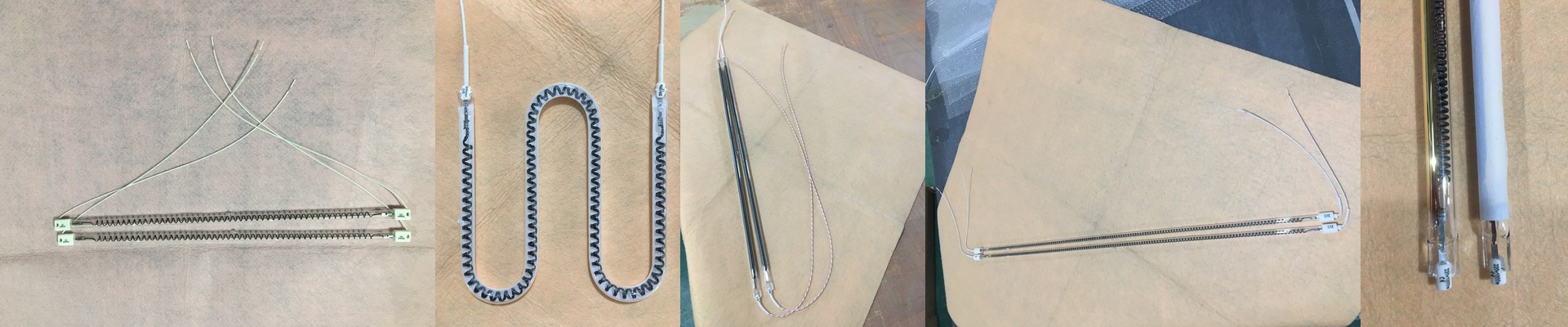
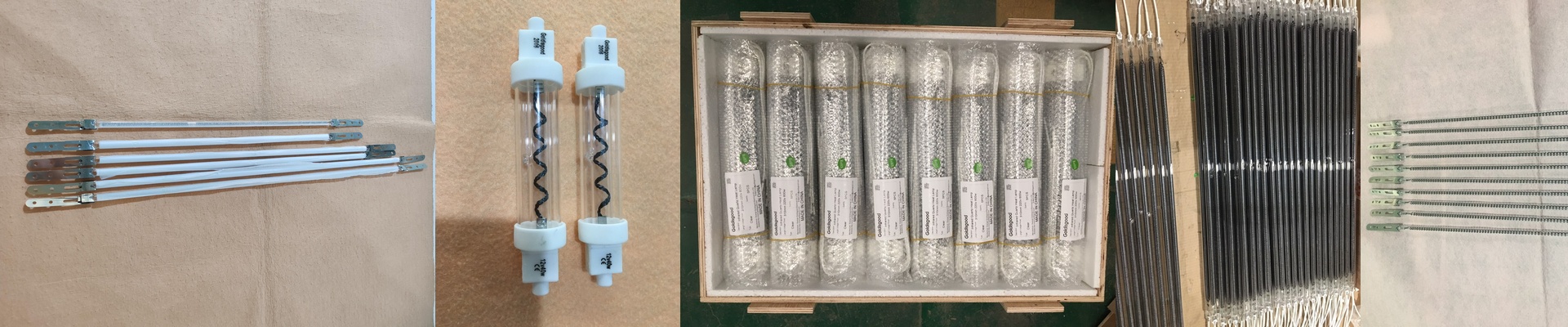
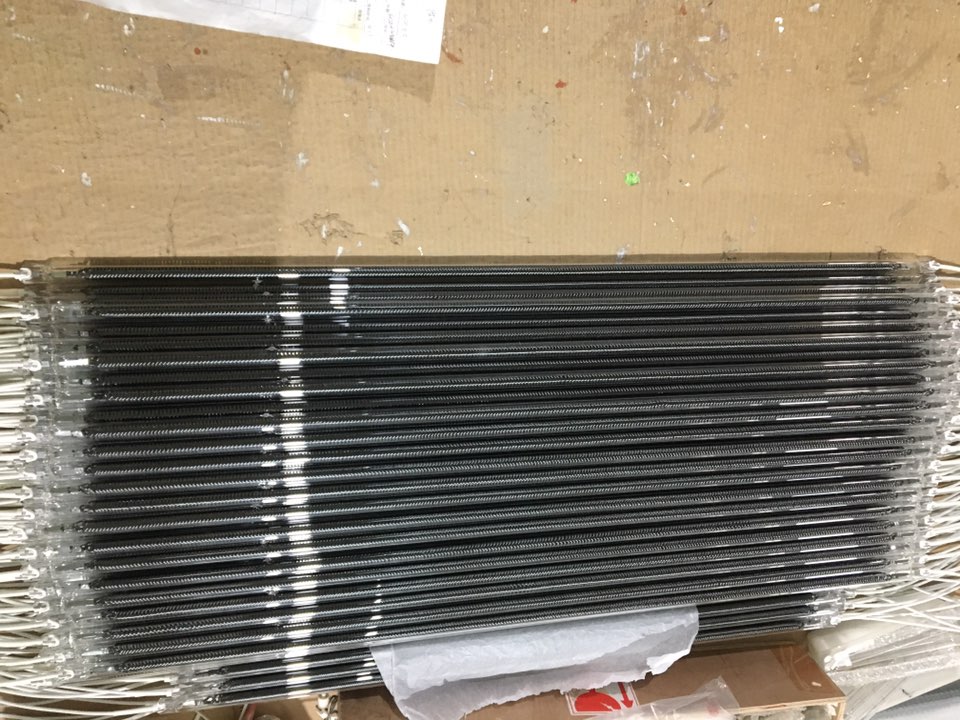
We built this carbon fiber quartz tubular heat lamp to pack a serious punch into a small space. It runs on 400V and pulls 2500W across a 300mm tube. That power density means the surface heats up fast. You get rapid response without needing a huge enclosure. We chose 400V because it lowers the current on the line. That lets you use smaller conductors and keeps voltage drop in check, even over longer runs. And the 300mm length? It keeps the heat zone tight. So you can use a smaller reflector and focus the energy exactly where you need it.
Material & Design: Why Carbon Fiber and Quartz
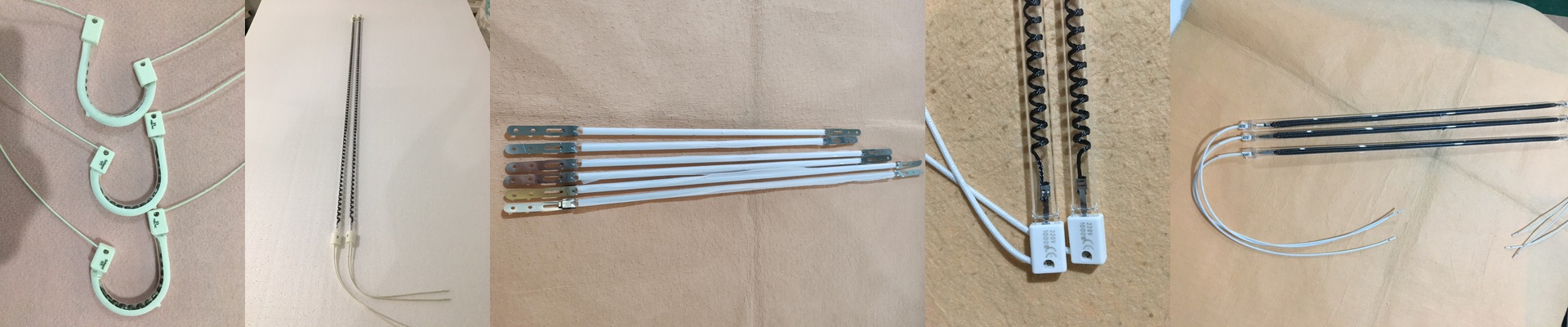
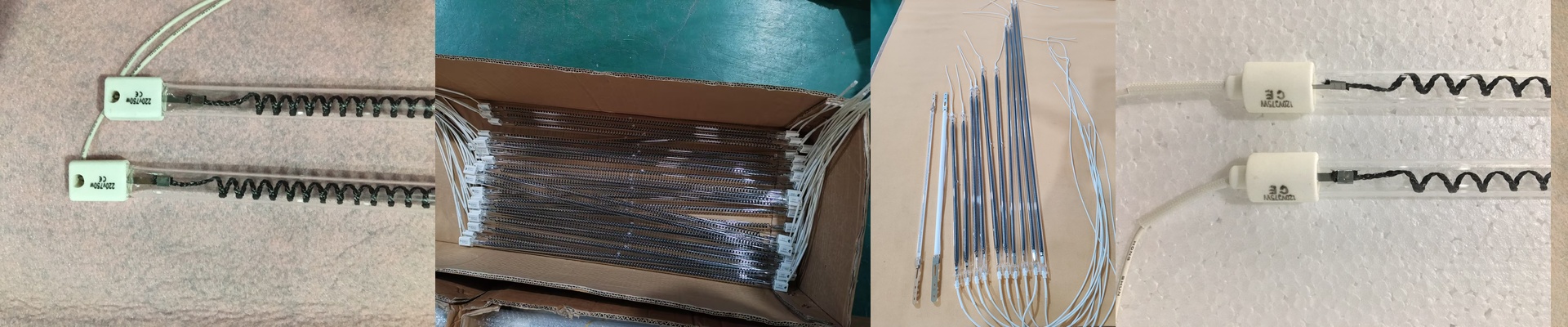
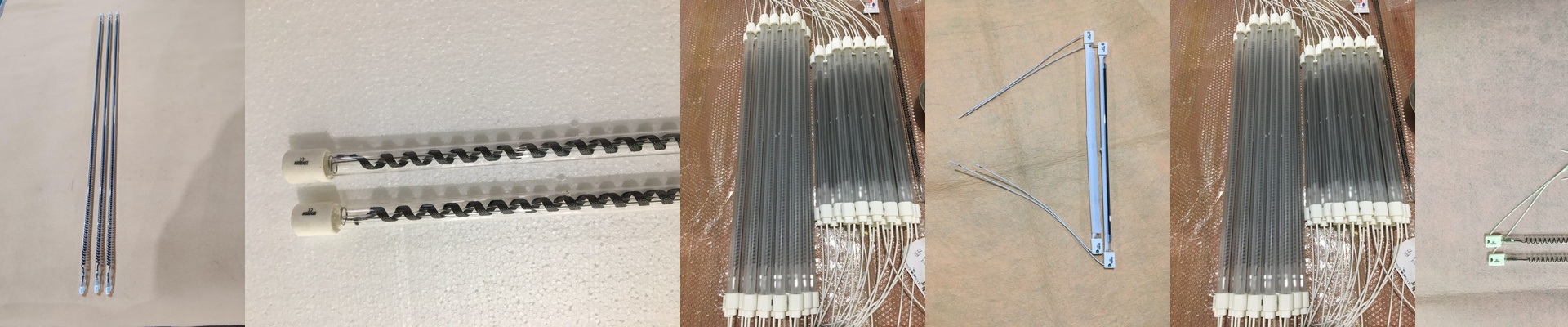
The quartz envelope can handle extreme heat while staying optically clear for shortwave IR. Inside, the carbon filament holds steady resistance and delivers consistent output, even after repeated heating and cooling cycles. A halogen fill gas helps prevent filament evaporation, so the lamp lasts longer. And the carbon fiber build is tough—it shrugs off shock and vibration way better than standard wire elements. That means it can handle the bumps and jolts of a busy plant floor. We pair it with an R7s connector for a direct, solid, line-voltage termination. It’s straightforward to wire and easy to swap out when it’s time.
Application & Benefits: TH, VN, and US Context
In facilities across TH, VN, and the US, this lamp drops right in for heating, drying, and curing lines where space is at a premium. Its shortwave output works efficiently with many plastics, coatings, and adhesives. The upshot? You can run lines faster without overheating the material underneath. Just be ready for the heat. This lamp delivers serious power, so plan for proper cooling and clearances. Make sure your control circuit can handle the inrush, and match the lamp to the reflector geometry for even coverage.