Why Carbon Fiber is a Better Way to Heat Your Food
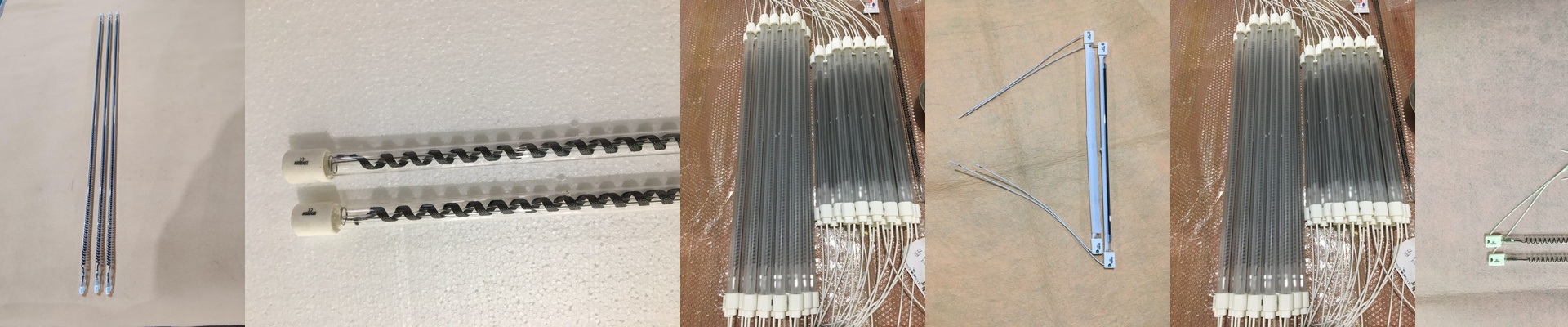
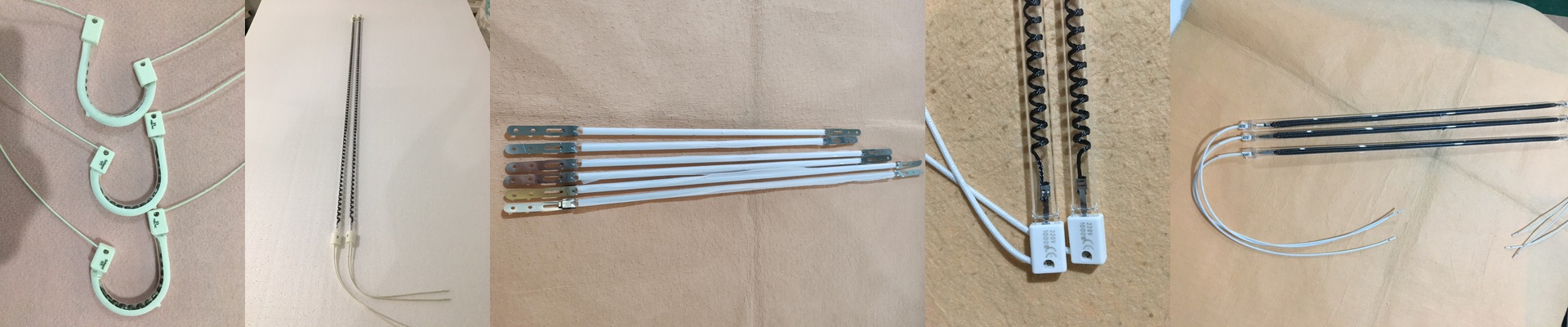
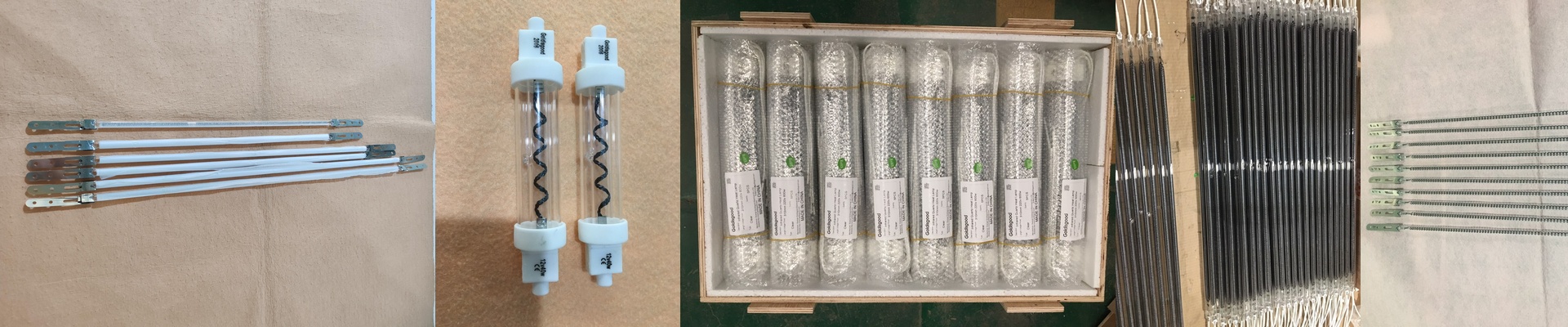
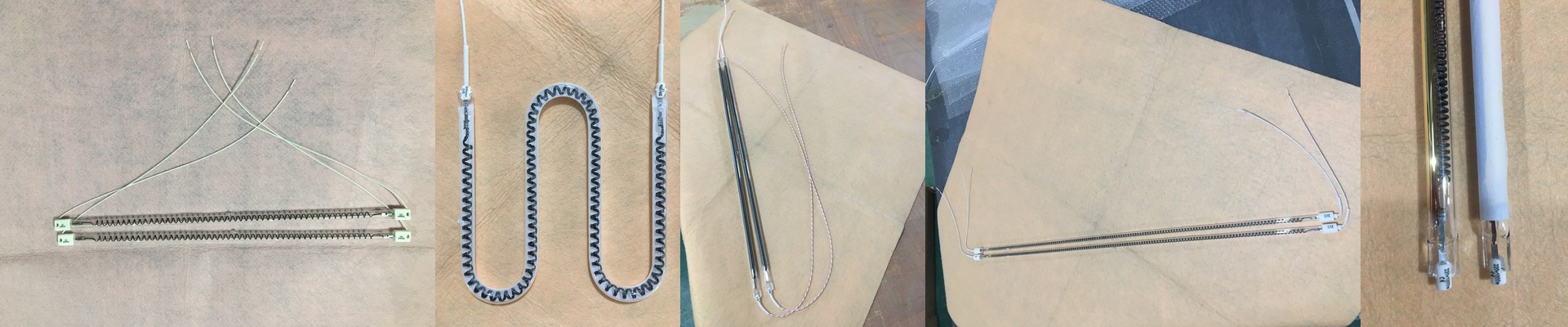
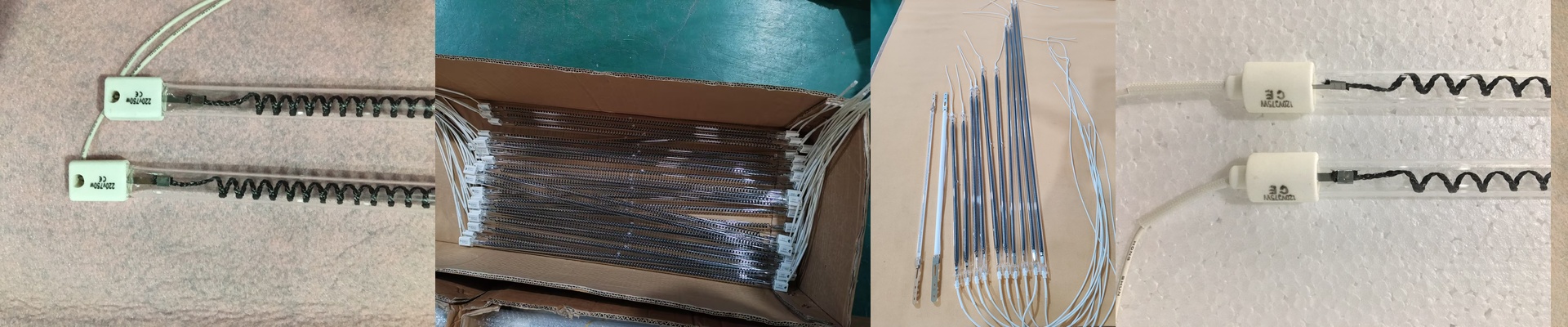
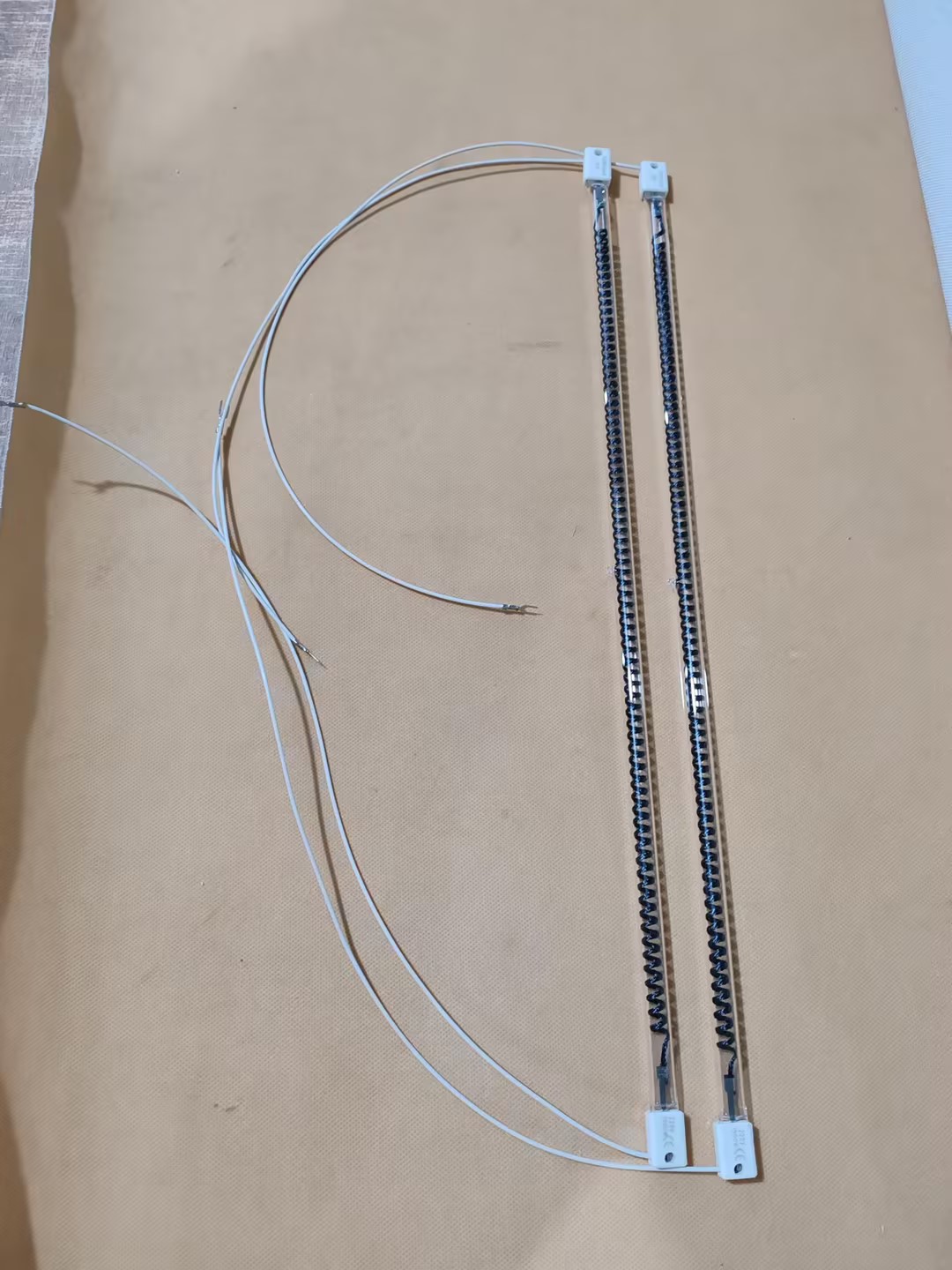
If you’ve ever dealt with food warming or industrial processing, you know the struggle of getting the heat just right. We use carbon fiber heating elements because they handle things differently. Instead of those old-school tungsten filaments, we use a high-density carbon weave. It basically gives you a bigger surface area to work with, which changes how the heat actually hits the food. The “No-Burn” Factor Here’s the thing about these lamps: they don’t just blast the surface with aggressive heat. While halogen tubes can be a bit too intense, carbon fiber gives off a softer, broader wave of far-infrared radiation. It sinks deeper into the food. This is huge because it stops that annoying “burnt skin” effect where the outside is charred but the inside is still lukewarm. Plus, we’ve made sure the wattage stays steady across the whole element. No more guessing games with cold spots in your heating zone. Built to Last (Mostly) The element itself lives inside a high-purity quartz envelope to keep moisture and air from ruining the carbon. We also beefed up the end-caps so the seals don’t pop when the temperature swings up and down. But a quick heads-up: carbon fiber can handle vibrations way better than thin wires, but the quartz glass is still glass. It’s fragile. If you’re tossing these into a chaotic kitchen or a fast-moving conveyor line,please use guards. One wrong move with a metal tray and you’ve got a problem. Getting Them Up and Running The good news? These are pretty much drop-in replacements. They wire up to your existing controllers without any fuss. There is one little quirk, though. They don’t snap to peak temperature instantly like halogens do. They take a few extra seconds to ramp up, but once they’re there, they hold that heat like a champ. Just remember to tweak your timers. If you don’t account for that initial lag, your first few batches of the shift might come out a bit under-done. Once you’ve got the timing dialed in, you’re golden.