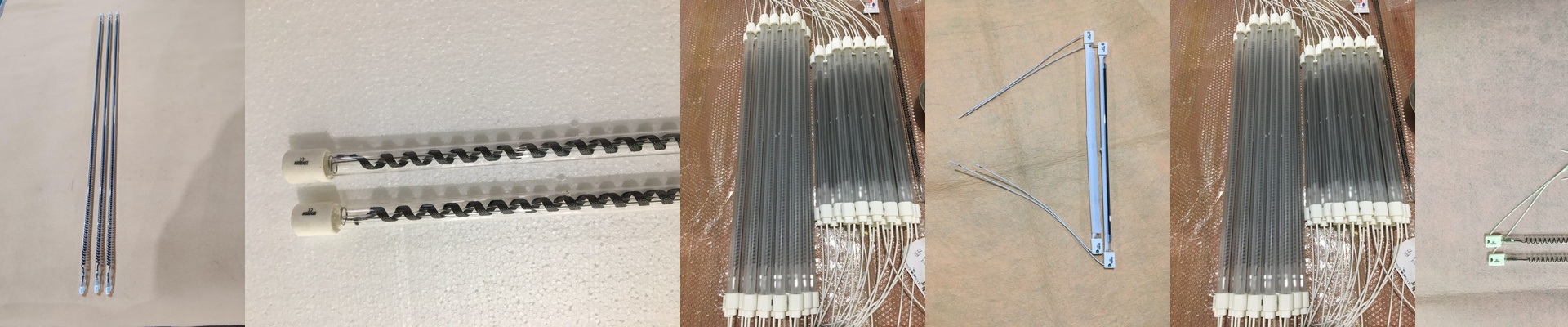
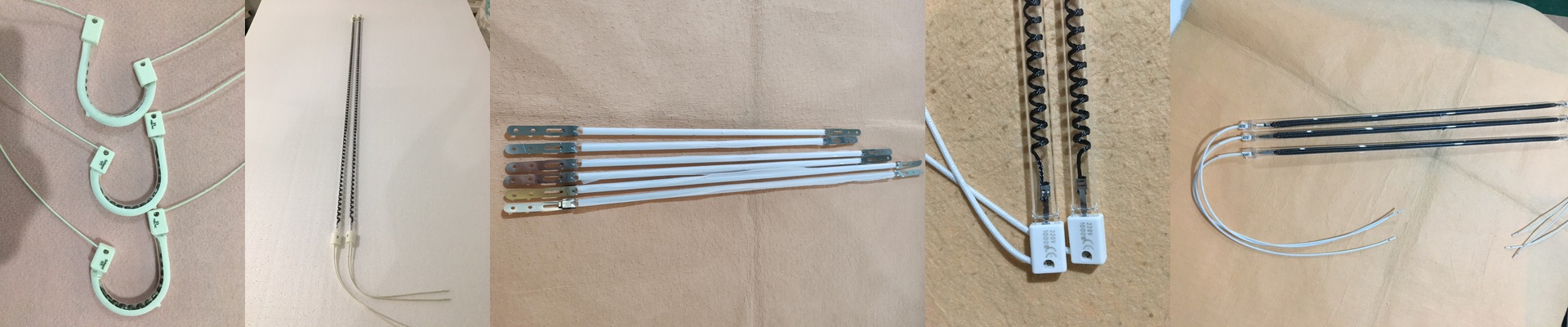
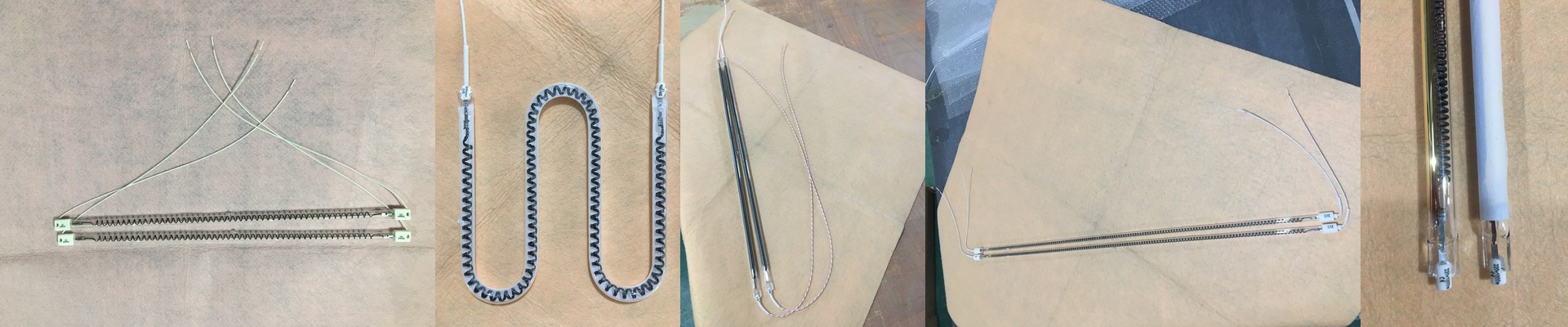
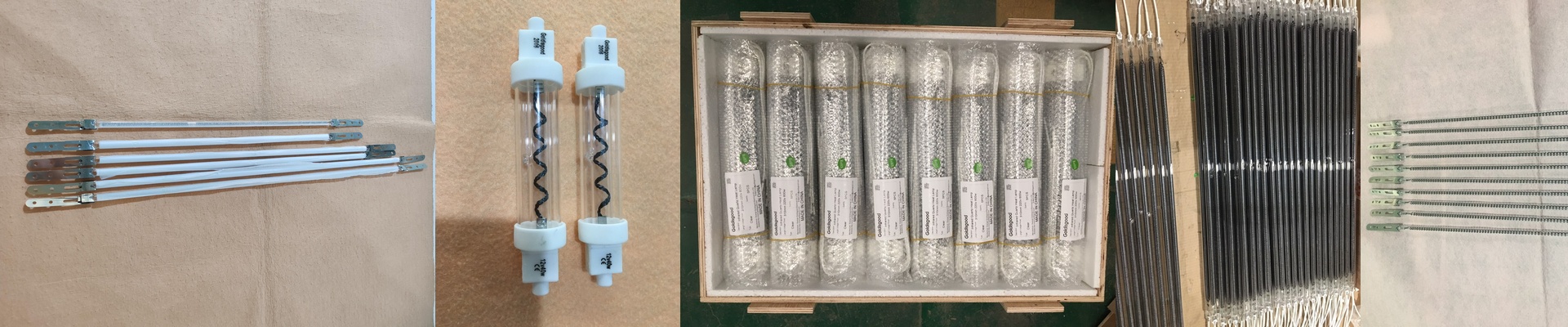
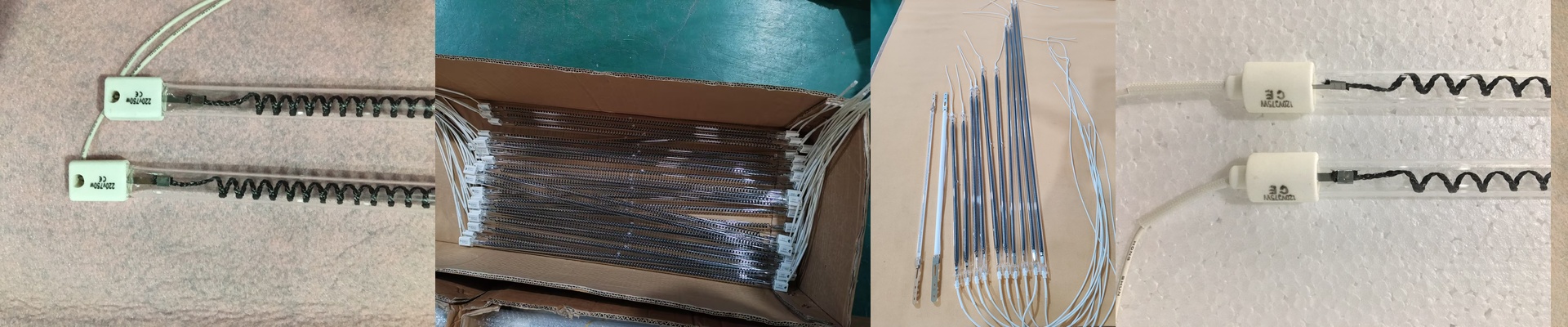
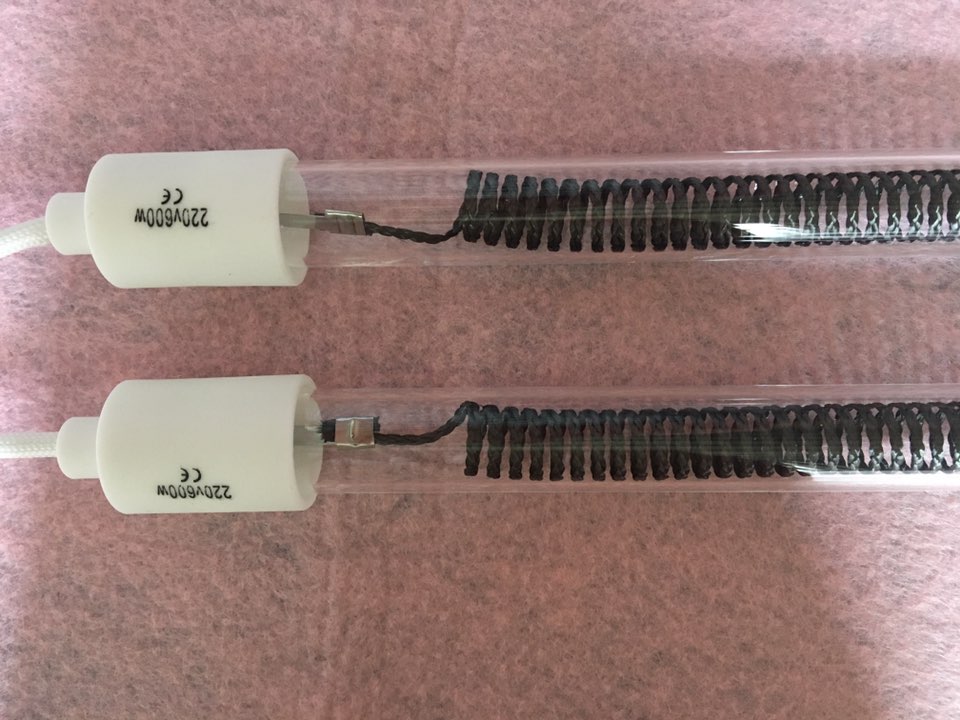
Let’s talk about the 300W Carbon Fiber Infrared Lamp
We put these lamps together using a carbon fiber heating element tucked inside high-purity quartz glass. Now, if you’ve used the old-school metal coil heaters, you know they tend to get those annoying hot spots. Those are usually where the lamp fails first, especially when you’re running them hard in a factory. Carbon fiber fixes that. It spreads the heat evenly across the whole tube, so you aren’t just burning out one section while the rest stays cool.
Why quartz and carbon?
The 300W rating is really just about how much heat you’re throwing at your project. We went with quartz glass because it doesn’t “steal” the heat. Instead of the lamp housing getting scorching hot, the infrared energy passes right through the glass and hits your workpiece. And the carbon fiber filaments? They don’t need to get as ridiculously hot as tungsten to do their job, but they hit a sweet spot in the infrared spectrum that actually sinks into your materials. It’s fast. Like,seconds-to-operating-tempfast.
The “Ruby” look and a word of caution
You’ll notice the lamps have a ruby-colored finish. That’s not just to make them look cool. That coating filters the light so the energy hits the exact spot your material needs it most. Plus, it saves your eyes from that blinding glare when you’re working right next to them. But here is a heads-up:Quartz is fragile. If you’re slapping these into a machine that shakes or vibrates a lot, please use dampened mounts. If you don’t, the glass is going to crack right at the seal, and then you’ve got a problem.
Getting them to work in your setup
These are designed to be easy drop-in replacements for your existing infrared arrays. At 300W, most standard controllers can handle the load without breaking a sweat. Just double-check your wiring and voltage. You don’t want a voltage drop killing your efficiency before the heat even reaches the lamp. We see these used everywhere—drying tunnels, curing stations, you name it. Because the carbon fiber core handles the “on-off-on-off” cycle so much better than metal, you can flip the power switch as often as you need without worrying about the filament snapping from the shock.