Let’s Talk About Carbon Infrared Heater Bulbs
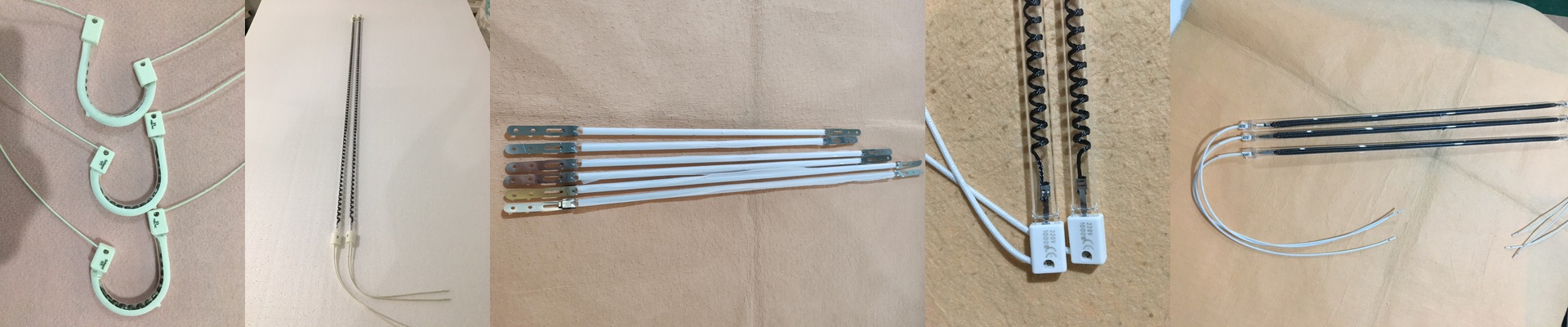
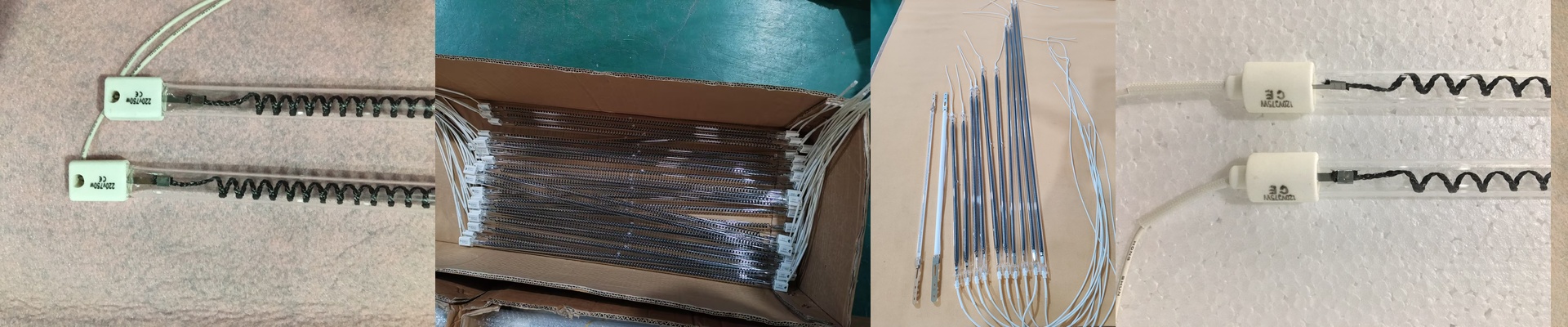
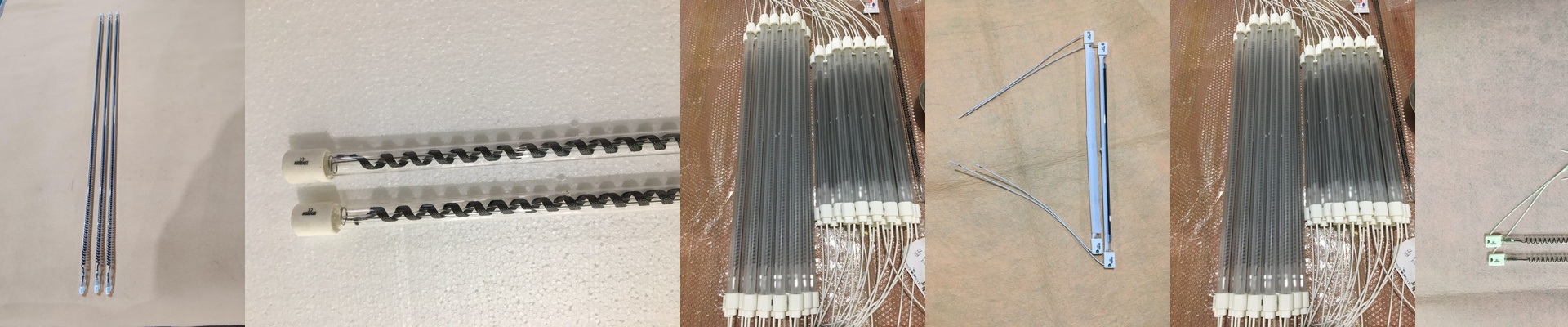
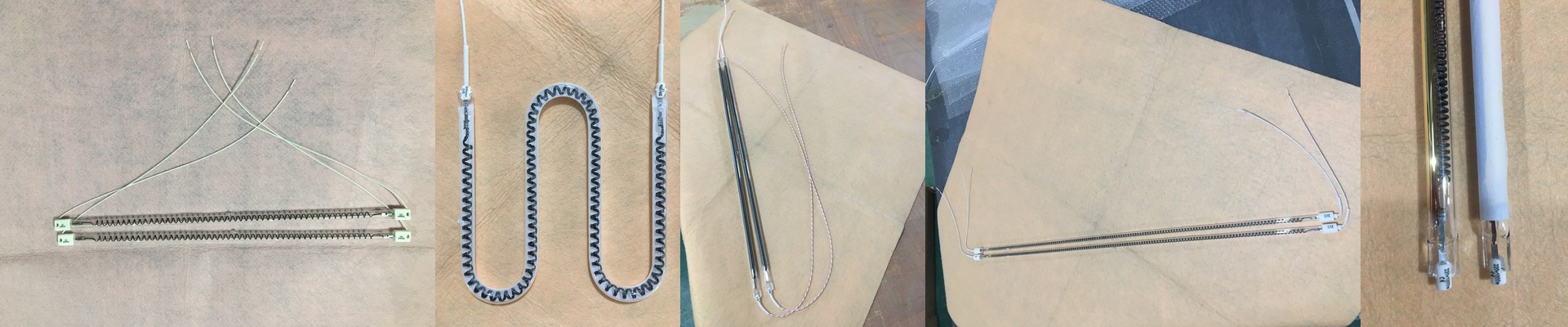
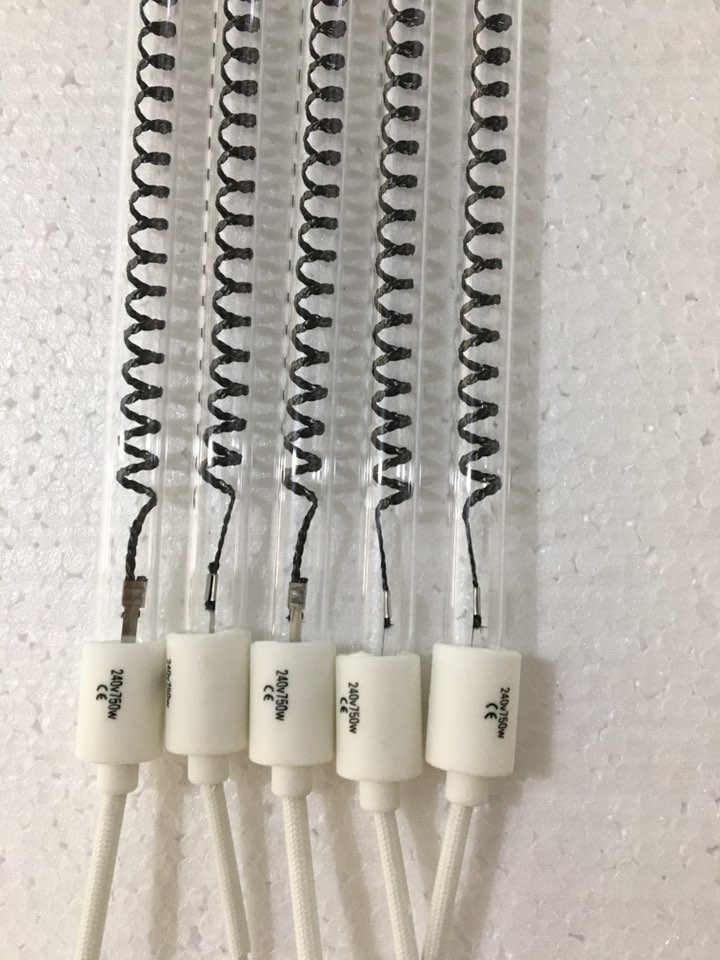
Ever wonder why some heaters just hit different? That’s the magic of carbon heater bulbs. Instead of wasting time heating up all the air in the room, these use a carbon-filament core tucked inside a quartz tube to beam heat directly onto whatever you’re working on. It’s concentrated energy. Fast and efficient.
The Nitty-Gritty on Power
When we’re picking a bulb, it all comes down to how much heat you actually need in one spot. Take those 400V units. We go with higher voltage so we can push a ton of power through a long tube without blowing a fuse or melting your wiring. If you’re using a 300mm or 500mm tube, just make sure your transformer matches the voltage. If it doesn’t? Your filament is going to burn out way sooner than it should. It’s a balancing act—you want that intense heat, but you’ve got to make sure your reflectors can handle the stress.
Quartz and Connections
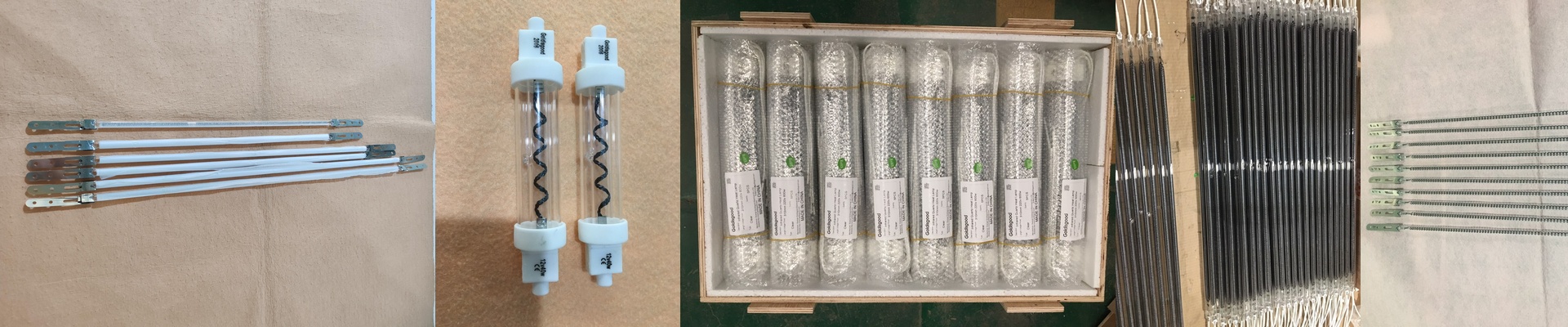
The quartz glass is there for one reason: it can take the heat. The carbon filament gets scorching, and quartz is the only thing that won’t buckle. We usually stick with R7s or Sk15 connectors. Why? Because they just slide right into most industrial ovens without a fight. They create a tight seal, which is huge because you really don’t want electrical arcing happening at your terminals. You might even see some bulbs with a special coating—that’s either to tweak the heat spectrum or just to keep the glass from getting ruined by chemical splashes on a messy shop floor.
Real-World Use (and the headaches)
You’ll see these most often in PET blowing machines or shrink-wrap tunnels. The best part? They reach operating temperature almost instantly. No more standing around waiting for the machine to warm up. But here’s the catch. Quartz is fragile. One clumsy bump during installation or a single fingerprint of oil on the glass can create a “hot spot.” And when that happens, the bulb shatters. It’s frustrating, but it happens. To keep things running smoothly, keep the glass spotless and double-check that your cooling fans are actually doing their job. You don’t want your connector housings melting just because the radiant heat got too intense.