Getting the Most Out of Carbon Fiber Infrared Heaters
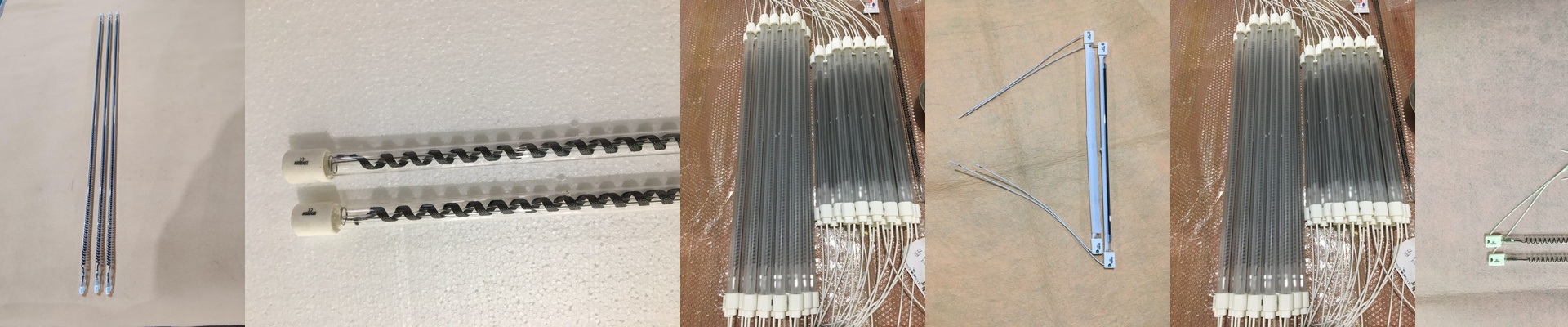
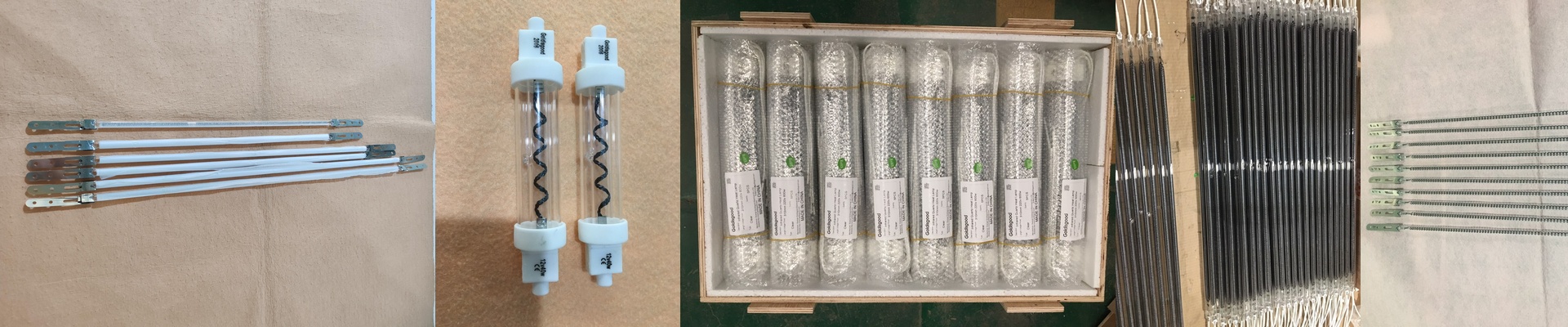
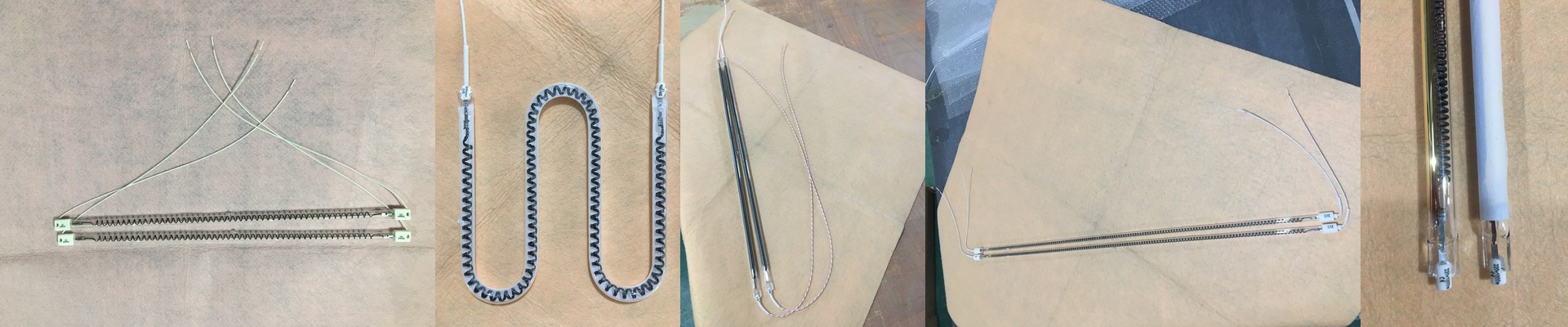
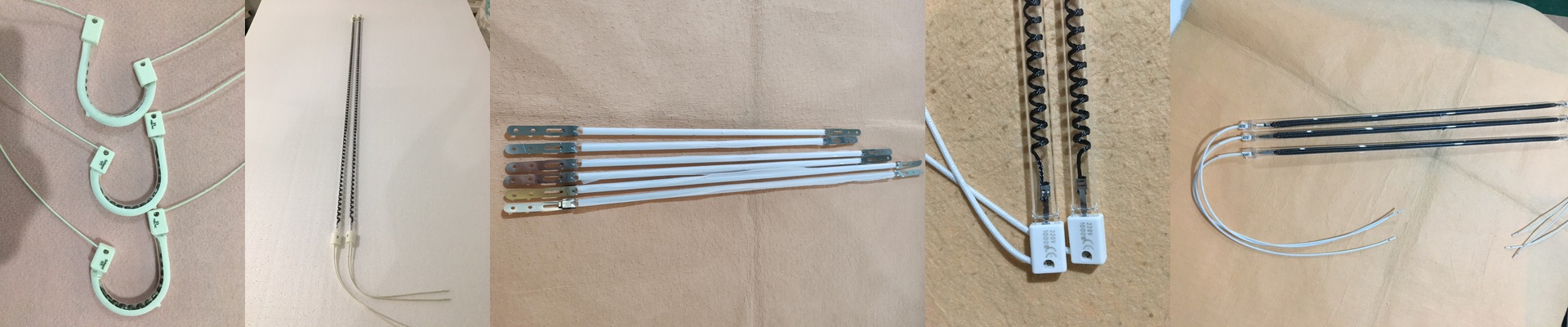
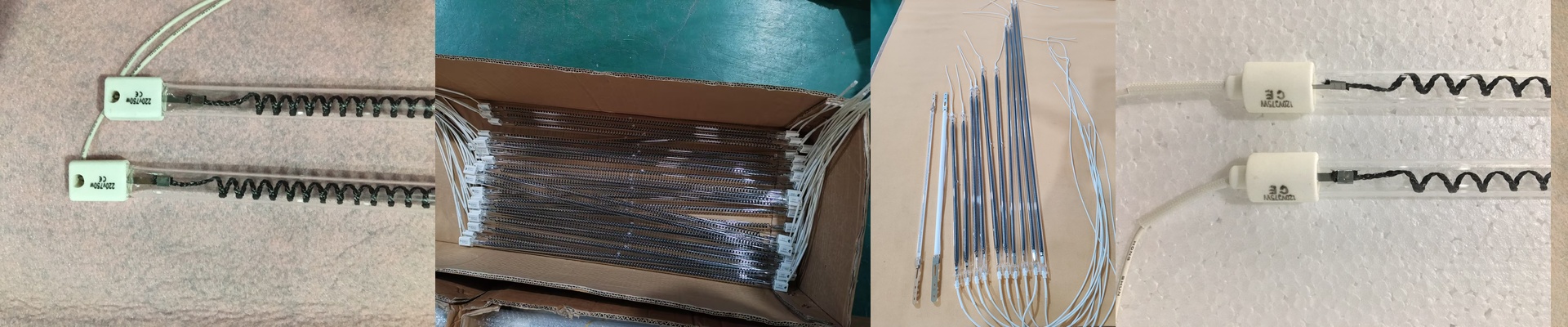
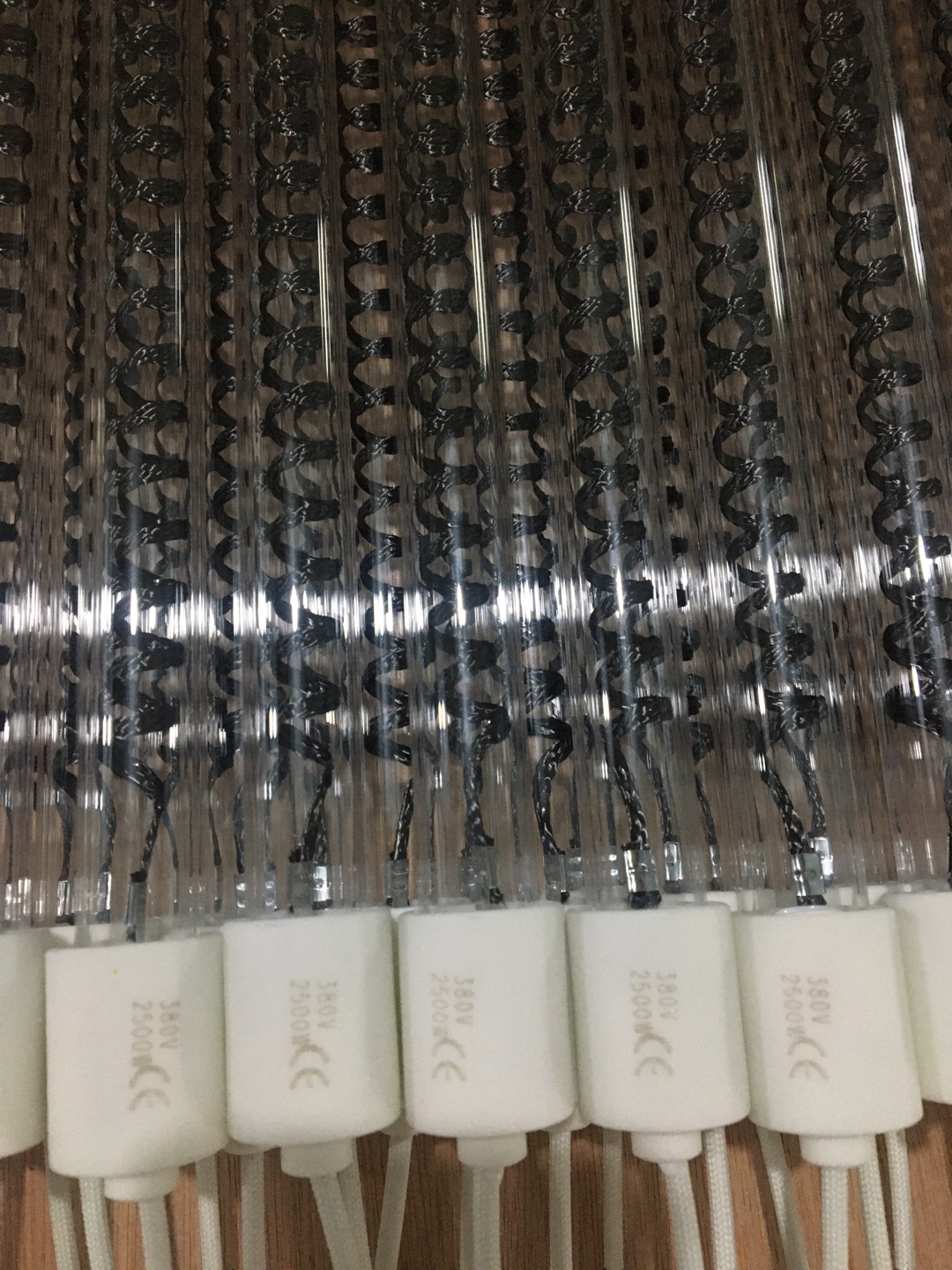
If you’ve ever dealt with old-school tungsten coils, you know the frustration of “hot spots.” You get these intense patches of heat that eventually just burn themselves out. Carbon fiber changes that. By running current through a conductive filament inside a quartz tube, the heat spreads out evenly. No spikes, no weird gaps—just a steady, reliable glow. Let’s talk power. When you’re picking your wattage and voltage, you’re basically deciding how fast you want to get to work. Go for a high-voltage setup and you’ll hit your operating temperature in seconds. It’s nearly instant. But here’s the catch: all that power in a small space creates a lot of ambient heat. If your housing isn’t built to handle it, you’re going to end up with melted wires or a warped reflector. It’s a bit of a balancing act. The nitty-gritty on the build. The quartz glass isn’t just there for looks; it creates a vacuum seal so the carbon doesn’t oxidize and disappear. We usually stick with R7s or Sk15 connectors because they actually fit. And please,make sure those connections are tight. A loose socket creates resistance, which leads to arcing, and before you know it, your end caps are fried. If your machinery vibrates a lot, double-check those locks. A rattling lamp is a dying lamp. Where this actually matters. You’ll see these all over PET blowing and shrink-wrapping lines. The shortwave radiation hits the material fast, which means your production line keeps moving. The best part? Carbon fiber can take a beating. You can flip these things on and off all day without the filament snapping from thermal shock. Just be careful when you’re installing them. Quartz is incredibly brittle. One clumsy move, one slip of the hand, and you’ve got a cracked tube. And once it’s cracked, it’s trash.