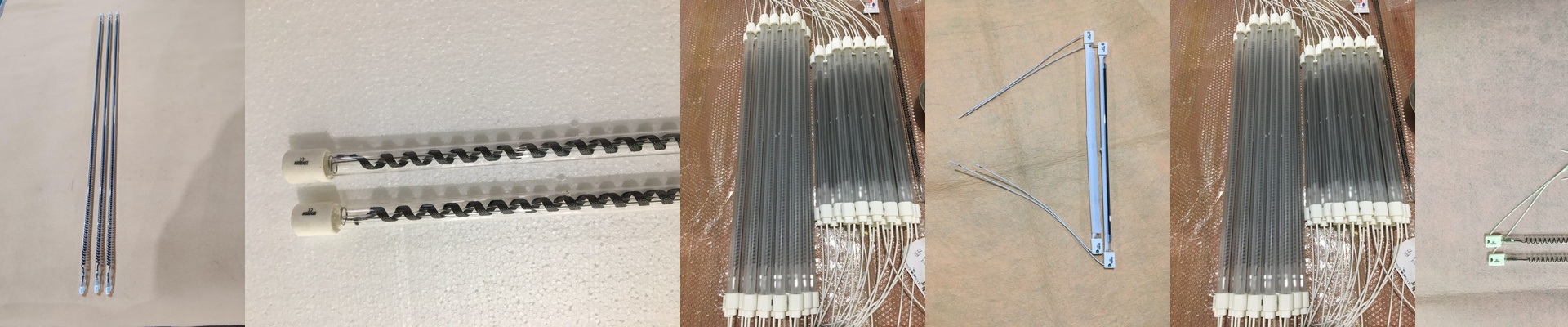
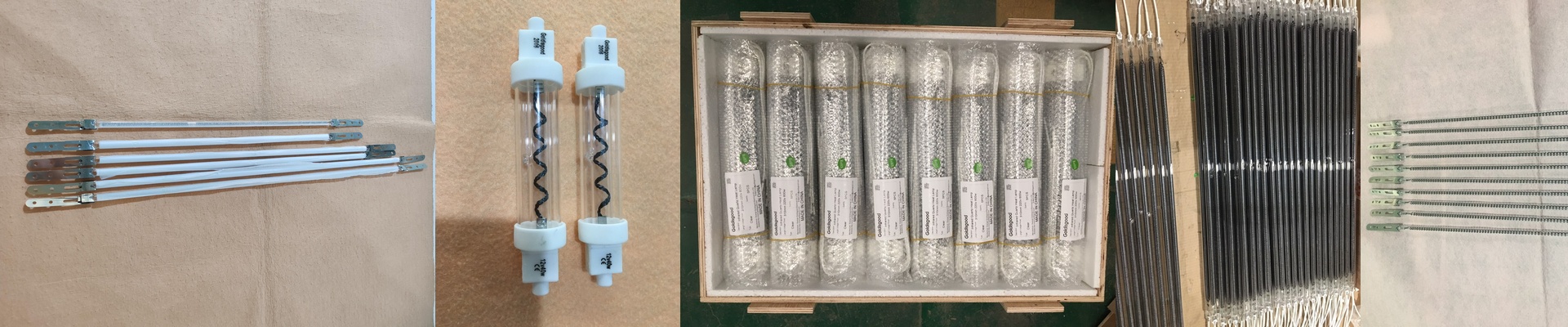
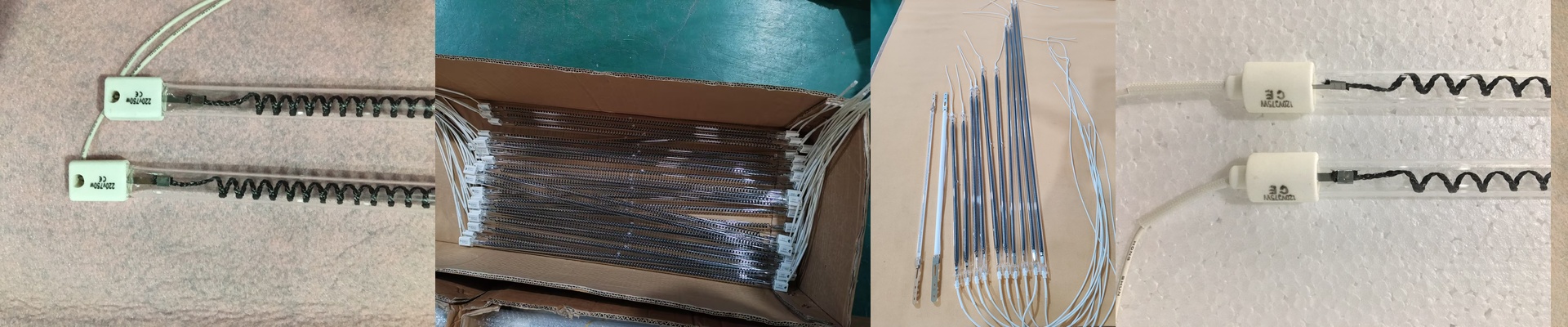
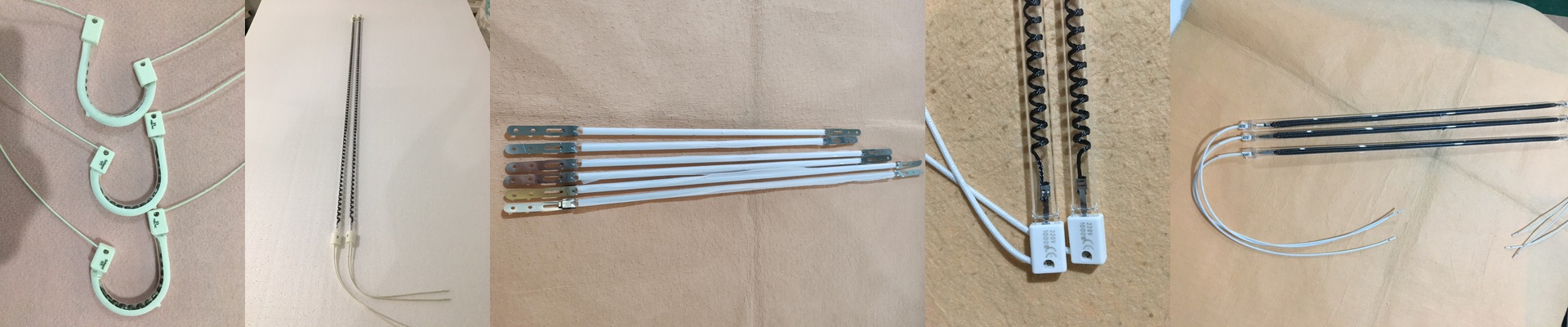
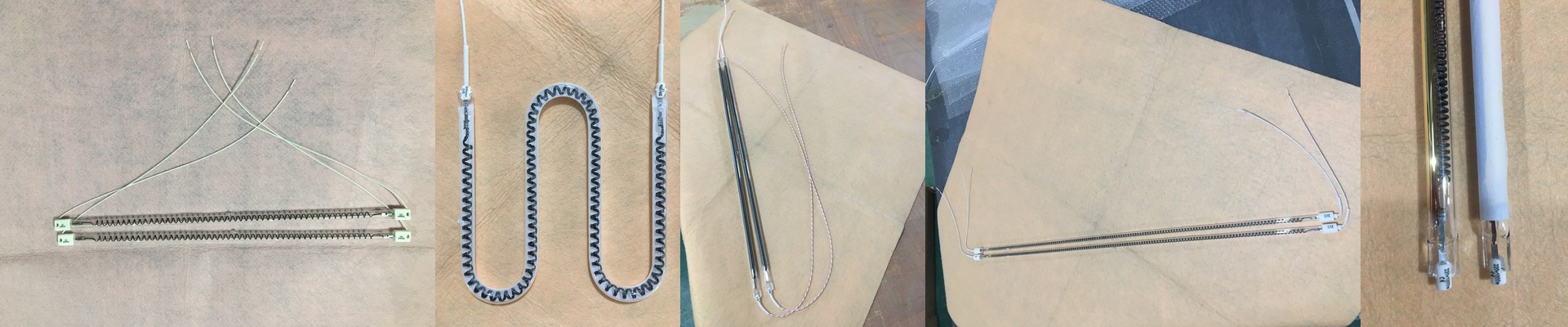
Let’s talk about the 302mm 800W Carbon Fiber Heat Lamps
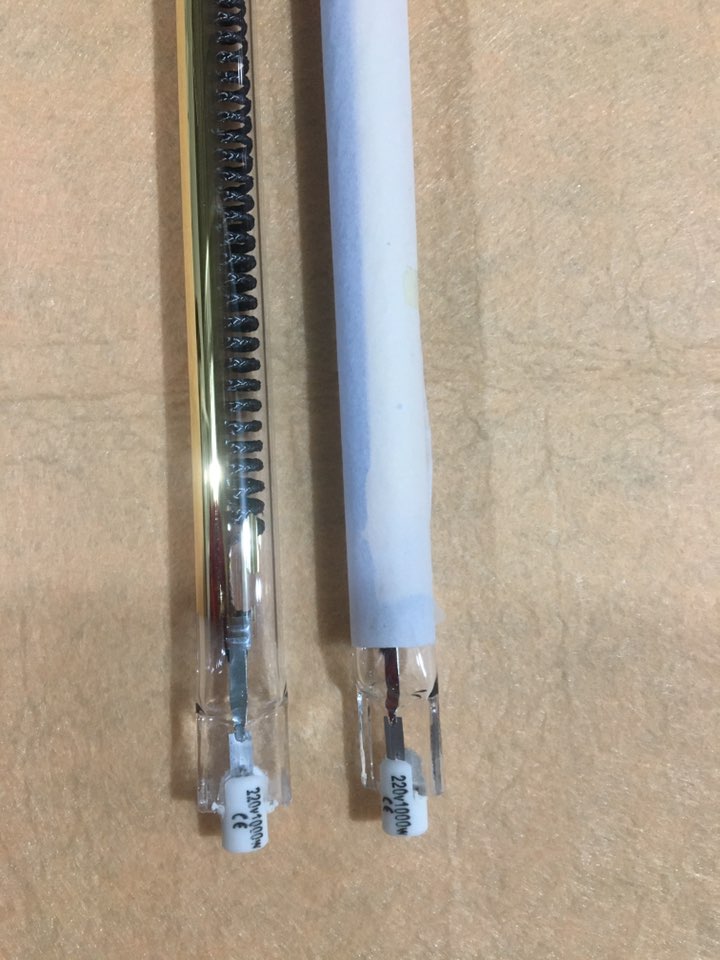
If you’re running industrial ovens, you know the pain of waiting for things to heat up. It’s a slog. That’s why we built these carbon fiber lamps. They’re designed for when you need heat—and you need it now. Instead of those old-school metal alloy elements, we use a carbon fiber filament tucked inside a quartz tube. It’s a different beast entirely. The power and the fit At 800W over 302mm, these things pack a punch. Because of that carbon fiber core, they don’t have to get nearly as hot as tungsten to get the job done. The best part? They ramp up incredibly fast. Your warm-up cycles shrink, and your workflow actually starts moving. We designed them to slide right into standard heating banks. Just a heads-up: make sure your mounting brackets have a little wiggle room. Quartz expands when it gets hot, and you don’t want it pressing against something rigid. Why carbon fiber? Here’s the thing about the tech: the filament is basically carbon fibers in a silica matrix. This pushes the heat into the medium-wave infrared range. In plain English? It sinks into certain materials much deeper than short-wave lamps ever could. The quartz tube keeps everything from oxidizing, but it’s fragile. If it cracks, the filament is gone in a heartbeat. **Pro tip:**Keep the glass spotless. If you leave fingerprints or oil on the quartz, you’ll get “hot spots.” Those spots are killers—they’ll burn out your lamp way sooner than they should. Getting them installed You’ll want to wire these into a PID-controlled circuit. If you don’t, you risk overshooting your target temp. Now, 800W isn’t a huge draw on its own. But if you’re stuffing dozens of these into a tight space, your control cabinet is going to get toasted. You’ll need a cooling fan or some decent venting so your electronics don’t fry. If you’re replacing older carbon heaters, these should drop right in—as long as your voltage is a match. Just don’t push the voltage too high. It might seem like a good way to get more heat, but you’re just killing the filament’s lifespan.