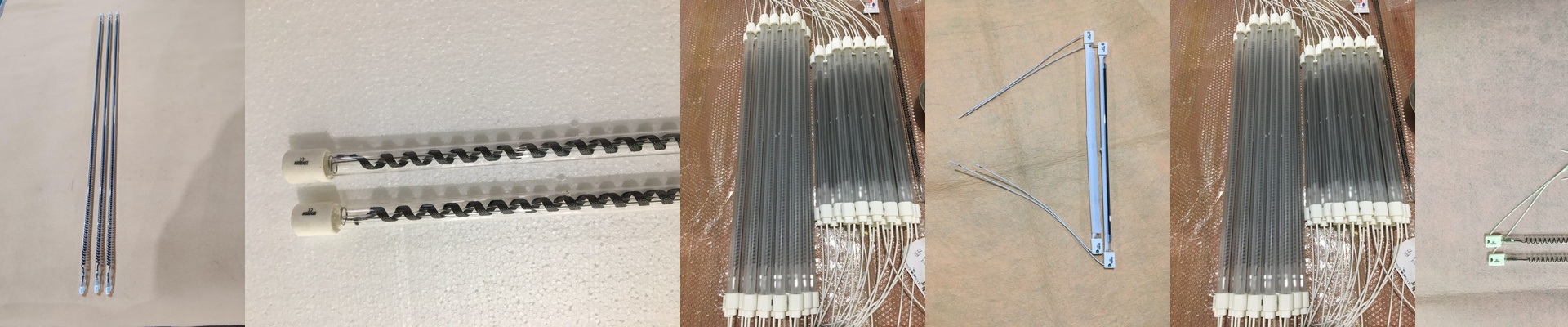
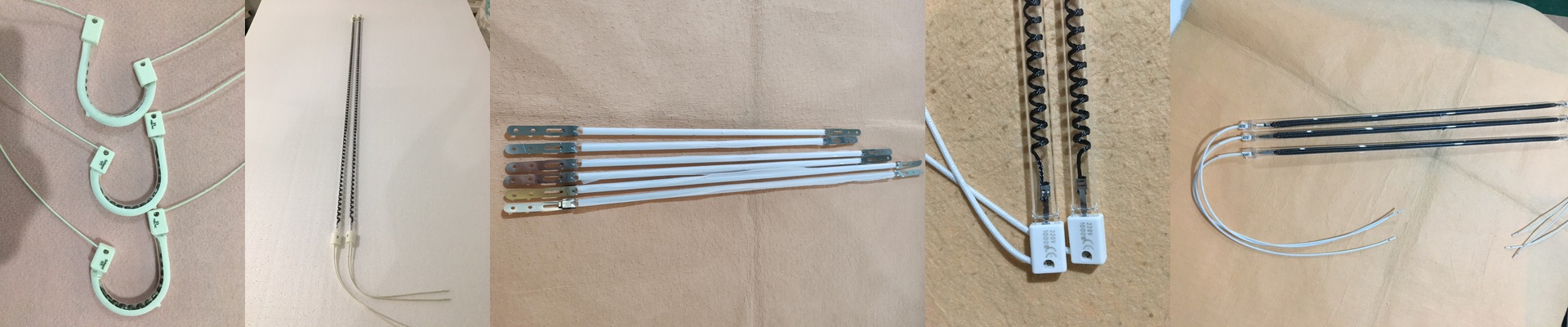
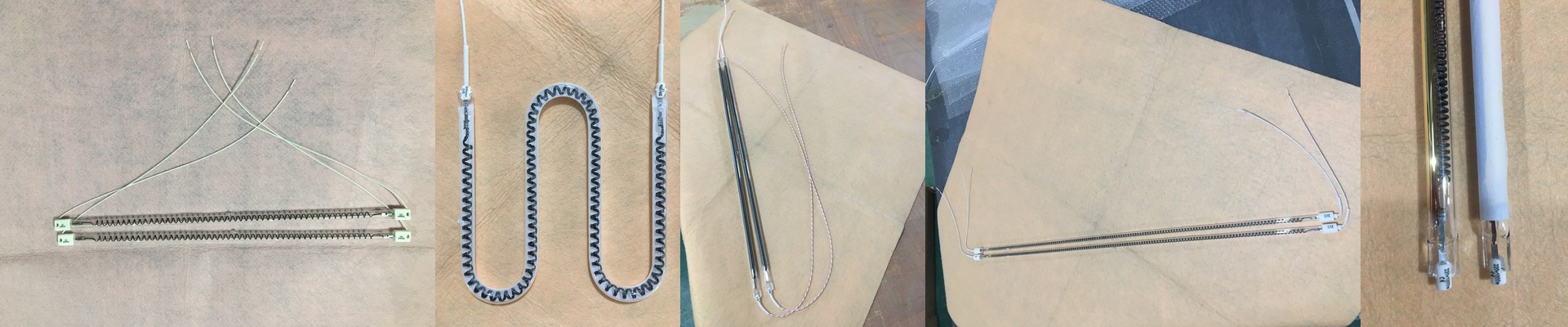
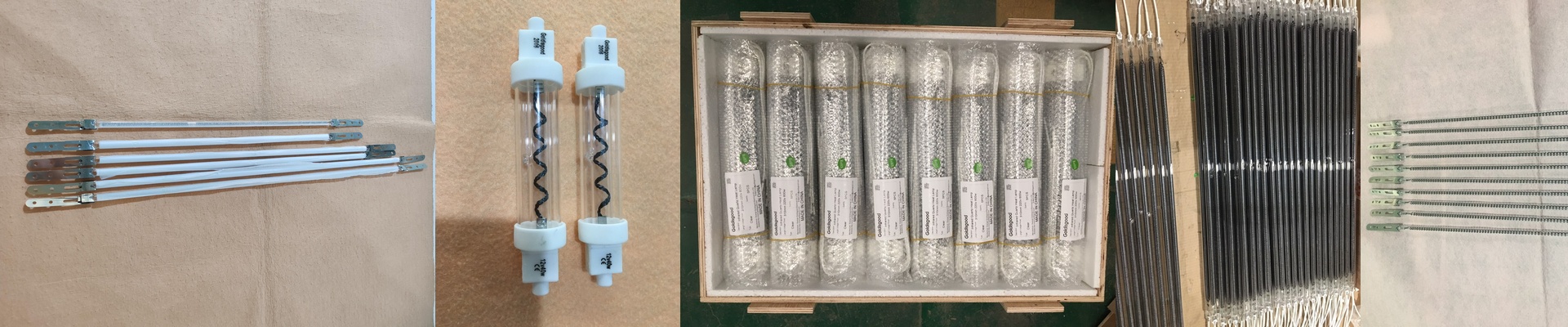
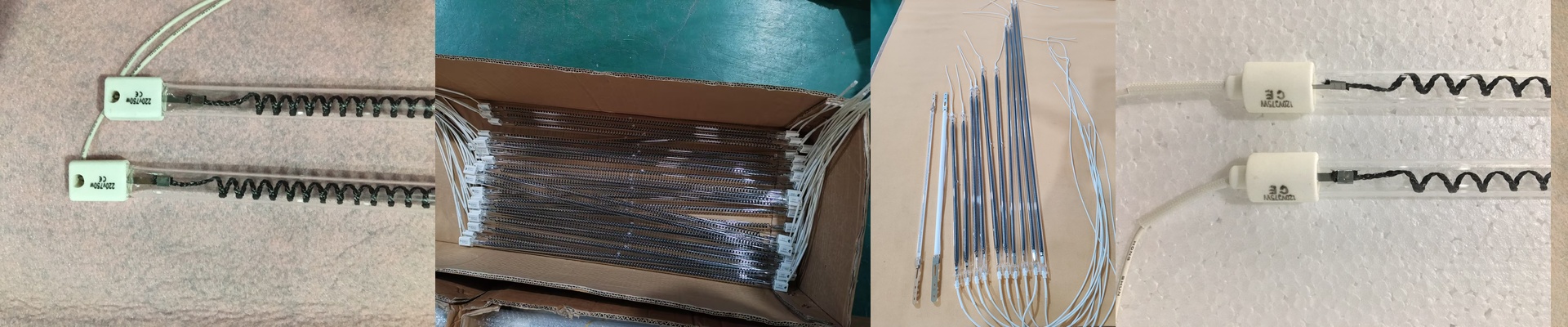
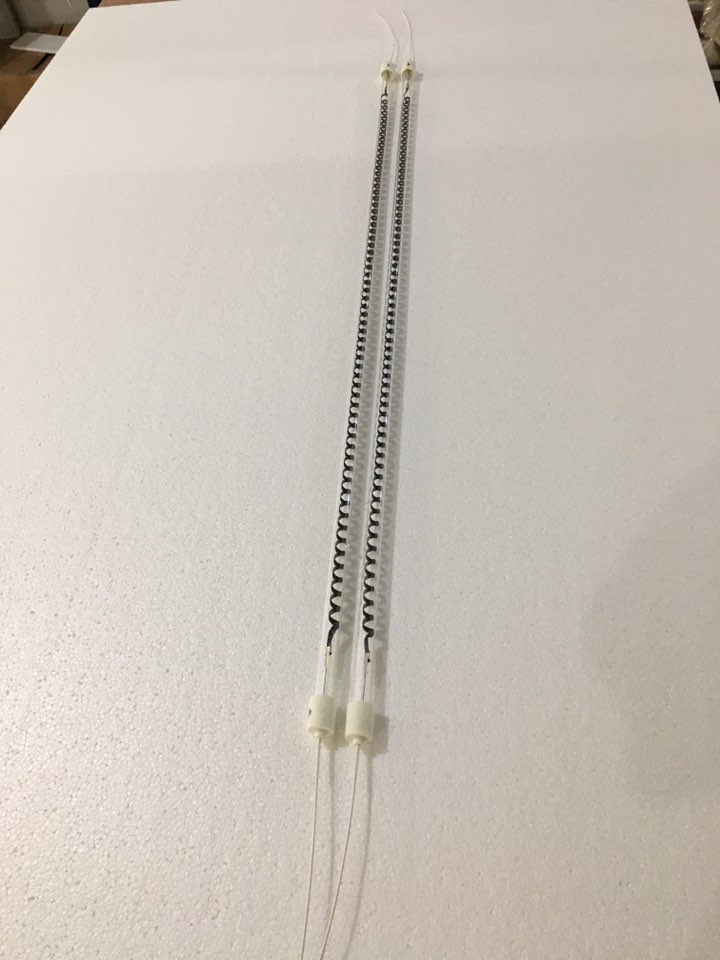
Let’s Talk Quartz Infrared Carbon Heating Lamps
If you need heat—and you need it now—these carbon lamps are the way to go. We build them with a carbon fiber element tucked inside a high-purity quartz tube. Why carbon? Because it doesn’t mess around. Unlike those old-school metal coils that take forever to get going, these hit their stride almost instantly. Plus, the way they emit heat actually sinks deeper into your materials. It’s a different kind of warmth. Getting the power right Here is the thing about wattage and voltage: they control the “punch” of the heat. If you’re doing something like PET blowing or industrial drying, you need a high-wattage tube to get that intense energy hitting every square centimeter. But you’ve got to be careful with your power supply. Match it exactly to the lamp’s rating. If you under-volt it, you’ll just be sitting there waiting for a temperature that never comes. Over-volt it?Snap.Your filament is gone in a heartbeat. The build and the bits We stick with quartz glass for a reason. It can handle a massive temperature swing without cracking, and it lets that shortwave IR radiation fly right through without getting trapped. You’ll usually see these with R7s or Sk15 connectors. They aren’t just about the fit—they’re there to make sure you have a rock-solid electrical connection. You don’t want sparks or arcing when you’re pushing high current. And for some specific jobs, we add a coating to the glass. This tweaks the heat spectrum so you can target your material perfectly without accidentally baking the air around it. Putting them to work Most of the time, you can just slide these right into an old halogen setup. They take up less space and ramp up way faster. But a word of warning: these things getintense. Since the heat is so concentrated, your housing and cooling system need to be up to the task. If your airflow is sluggish, the heat just pools in the oven. That’s how you end up with warped reflectors or material that’s cured unevenly. Keep it breezy, and you’re golden.