Getting Your IR Wavelengths Right for Brake Pads
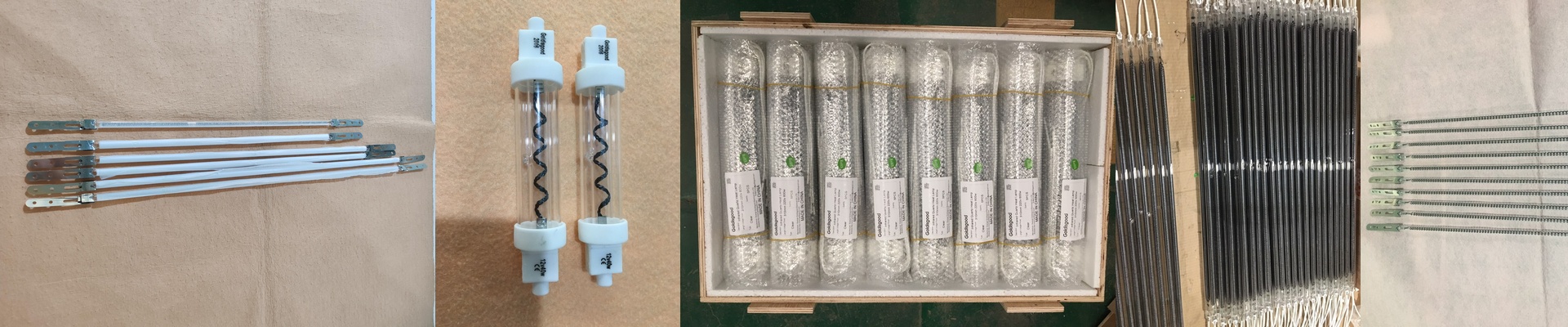
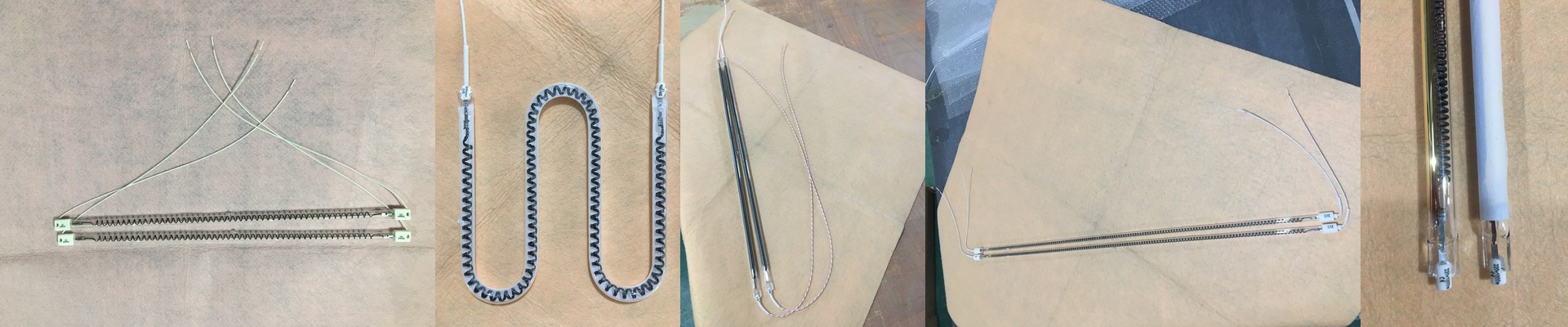
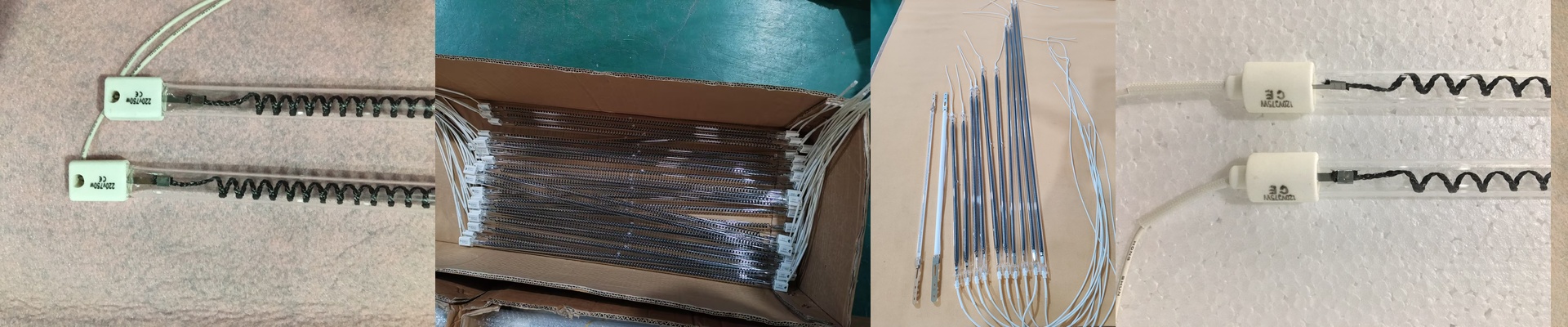
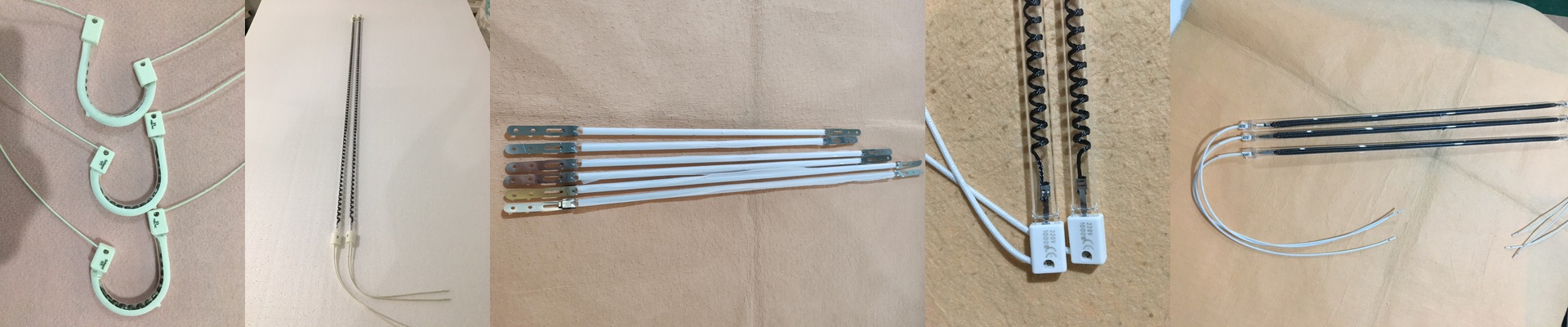
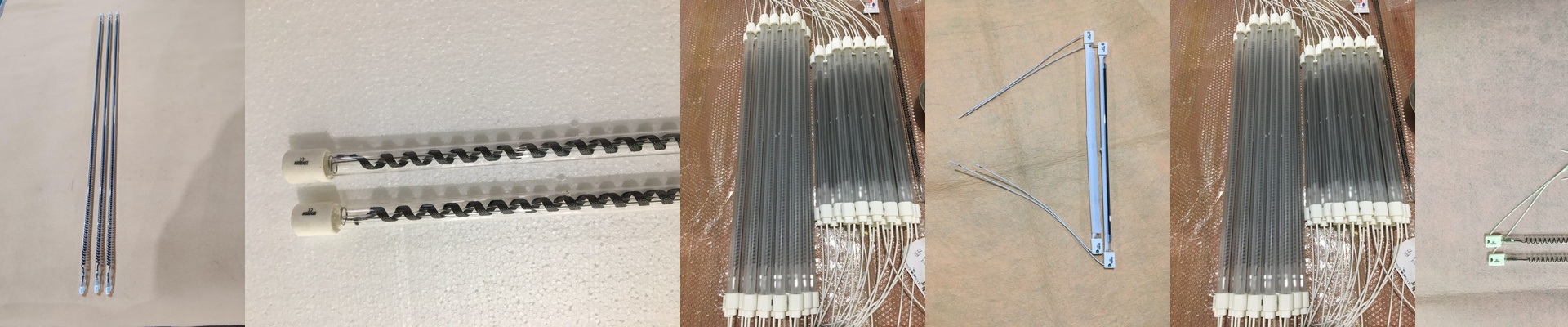
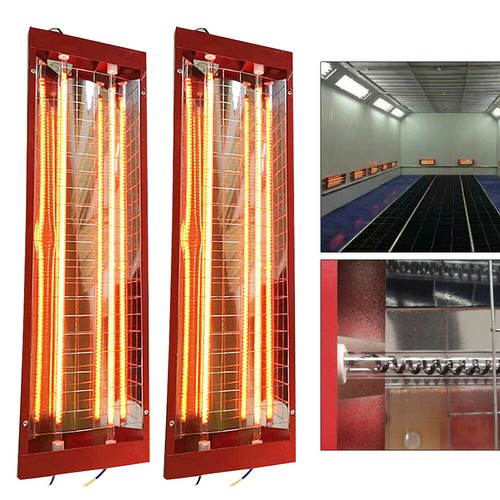
Here is the deal: you can’t just use the same infrared setup for ceramic pads and semi-metallics. It just doesn’t work. The physics are stubborn. These materials don’t “see” heat the same way. If you don’t match your lamps to what the material actually absorbs, you’re asking for trouble. You’ll either end up scorching the surface or, even worse, finishing a part that’s still raw and uncured in the middle. Matching the heat to the material Ceramic pads are dense. To get heat to actually penetrate that matrix, you need specific short-wave or medium-wave IR. Semi-metallics are a different story. Since they’re packed with copper and steel fibers, they tend to bounce heat right back at you. To fix this, we tweak the filament temperature and the quartz coating on the lamps. It shifts the emission peak so the energy actually sinks into the part instead of just reflecting off the surface. For those ceramics, we go heavy on the high-intensity short-wave IR. It’s the fastest way to drive heat deep. But with semi-metallics? You have to be more careful. If you overheat those little metal shards, you’ll get internal stress cracks and uneven curing. It’s a balancing act. The trade-offs you’ll face Getting the wavelength right is a big win, but it’s only half the battle. You still have to deal with heat density. Sure, high-wattage lamps make your cycle times fly. But they’re hungry. They put a massive strain on your power supply and make your cooling fans scream. If you cram too many kilowatts into a tight space, you’ll burn through your lamps way too fast or warp the backing plates. I usually suggest a staged approach. Start with high-intensity lamps to get the temperature ramping up quickly. Then, switch to lower-wattage, tuned lamps for the “soaking” phase. This stops that annoying “skin effect” where the outside looks baked but the core is still ice cold. The only way to be sure? Stick a thermocouple in the core. Trust the data, not your eyes.