Getting Your IR Emitters Right for Different Brake Pads
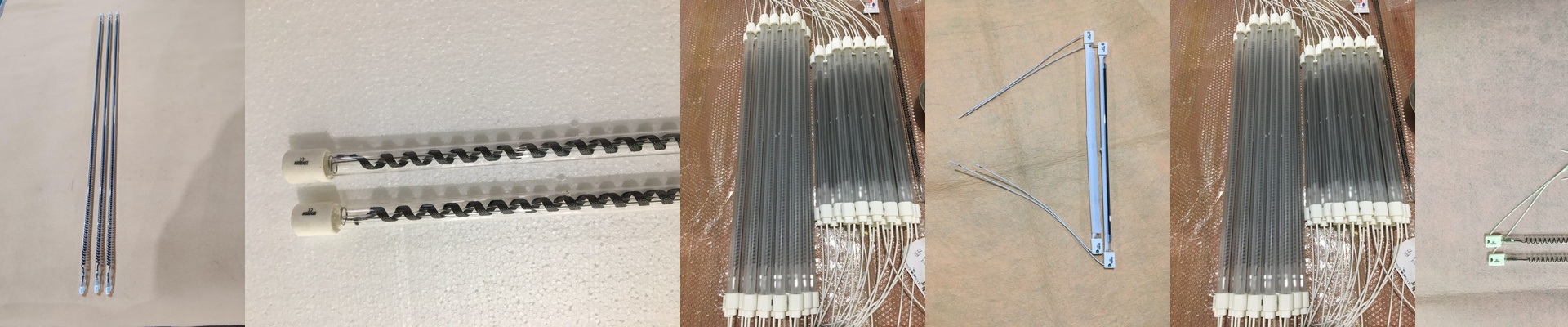
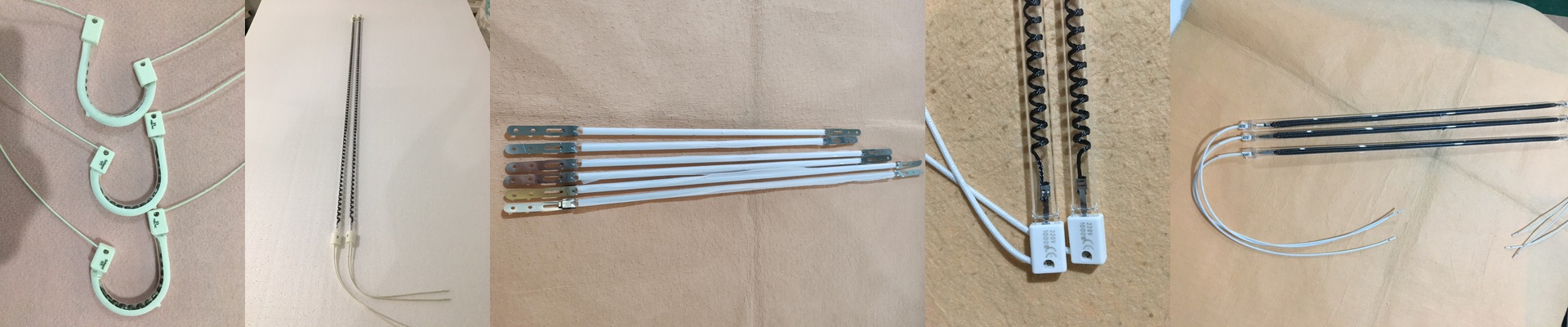
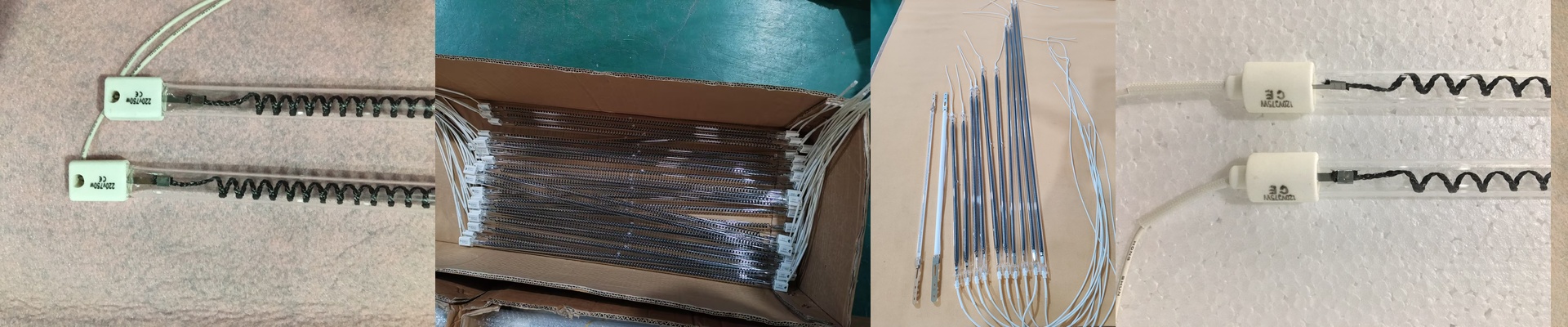
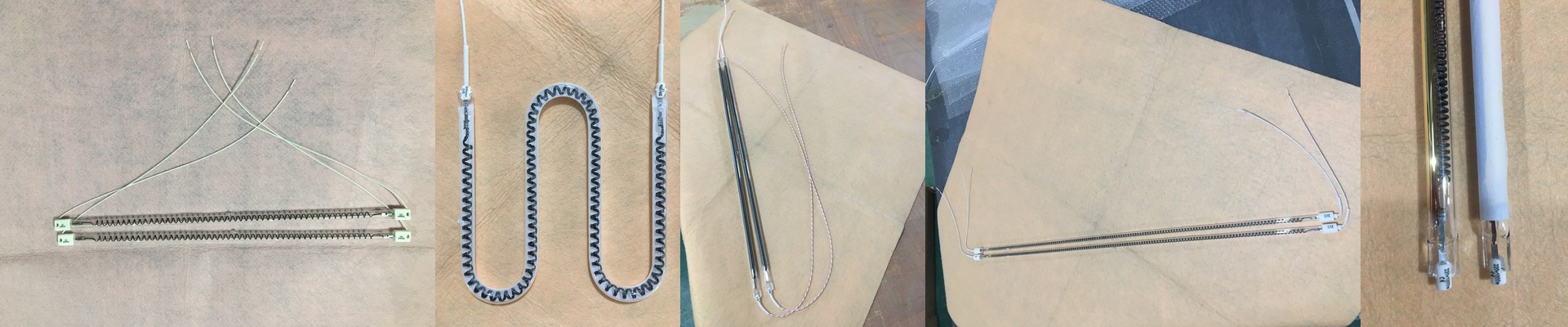
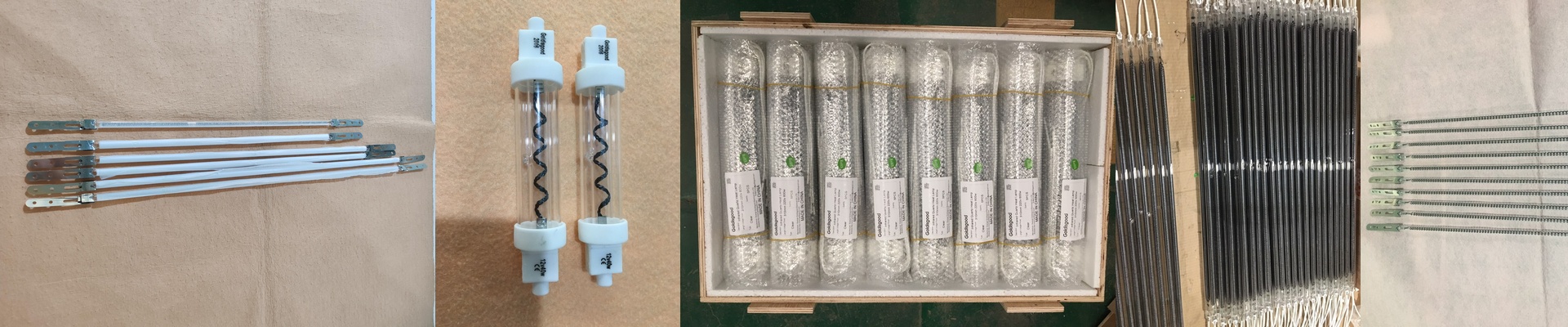
Here is the thing about drying brake pads: you can’t just set it and forget it. Ceramic pads and semi-metallic ones don’t react to heat the same way. If you try to use the same IR setup for both, you’re asking for trouble. You’ll either end up with a core that’s still damp or a surface that’s completely scorched. It’s a frustrating balancing act, but the trick is matching the emitter wavelength to what the material actually wants to absorb. The Wavelength Game Take ceramic pads. They’re dense, and those binders hold onto moisture like crazy. To get the heat deep inside, we go with medium-wave IR. It just penetrates further. Semi-metallics are a different story. Because they’re packed with metal fibers, they tend to bounce heat right back. That’s why we use short-wave emitters here. They hit the surface hard and fast, which stops those metal particles from acting like heat sinks and dragging your whole cycle time into the mud. No Guesswork, Just Math We don’t do “best guesses” when it comes to wattage. That’s a quick way to blow a fuse or ruin a batch. Instead, we look at your line speed and the actual mass of the pads to figure out the heat flux. Sure, cranking up the wattage makes things move faster, but it puts a lot of stress on your power supply. Plus, if you push too hard, you risk cracking the surface. A better way? Zoned heating. We usually suggest ramping the heat up at the start and then tapering it off toward the end. It’s much gentler on the material and prevents that nasty thermal shock. The Trade-offs High-intensity lamps are great for cutting down cycle times, but they run hot. Like, really hot. If you’re pushing for max production speed, your cooling fans and vents have to be up to the task. If the air isn’t moving around those lamp housings, your quartz tubes are going to burn out way faster than they should. One last tip: get into the habit of checking your reflector alignment every month. It only takes a minute, and it keeps the heat where it belongs—on the pads, not leaking into your machine frame.