Getting Your IR Wavelengths Right for Brake Pads
Here’s the truth: you can’t just use the same IR setup for every brake pad that rolls down your line. Ceramic pads and semi-metallics don’t drink up heat the same way. If your emitter wavelength is off, you’re basically throwing energy away. Worse, you’ll run into “skinning”—that frustrating spot where the surface looks perfectly cured, but the core is still cold. Not a great look for quality control.
Why the Material Matters
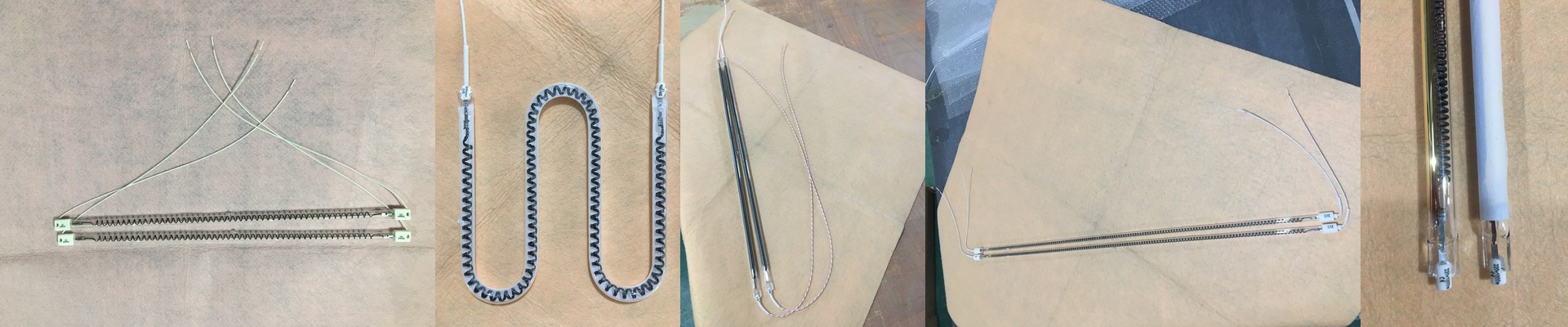
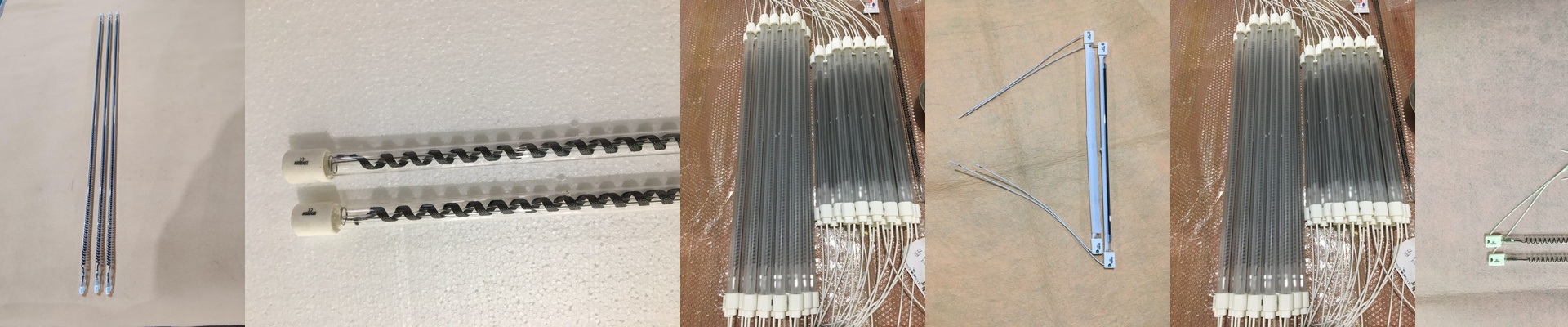
Think about what’s actually inside these pads. Semi-metallics are packed with steel fibers and copper. Those materials love to bounce long-wave IR right back. To actually get the heat to sink in, you need short-wave emitters. They punch through that dense matrix and make sure the resin cures all the way through, not just on the edges. When we spec out your emitters, we look at the specific emissivity of your compound. If you’re running a high-ceramic blend, we’ll tweak the filament temp and the quartz coating to shift that peak emission. It’s all about matching the tool to the job.
The Trade-off: Heat vs. Wear
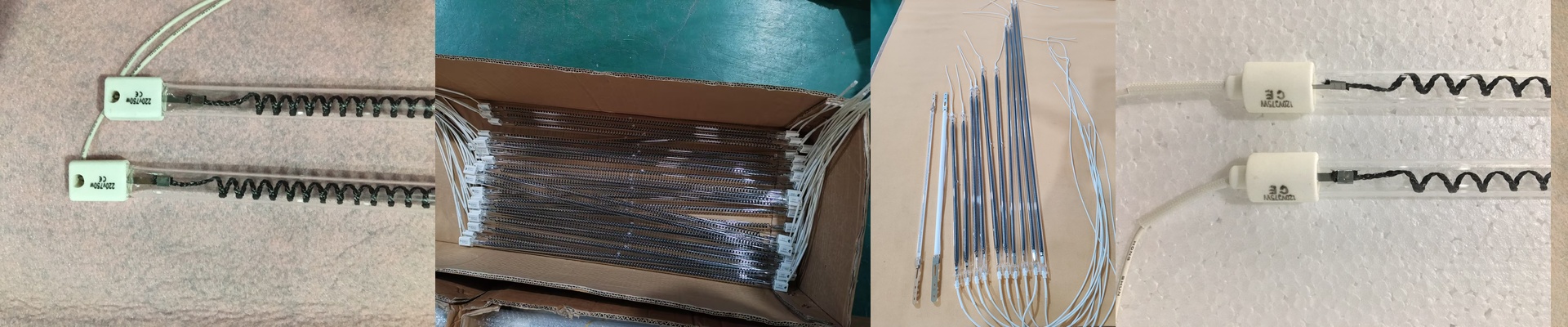
We all want the cure to happen fast. To do that, we usually push a lot of wattage into a tiny space. A high-voltage tube gets you those rapid ramp-up times, which is great for throughput. But there’s a catch. That kind of heat density is brutal on your reflectors and housing. If your cooling fans aren’t up to the task, you’re going to fry your lamp sockets and wiring. It’s a balancing act.
Making it Work on the Line
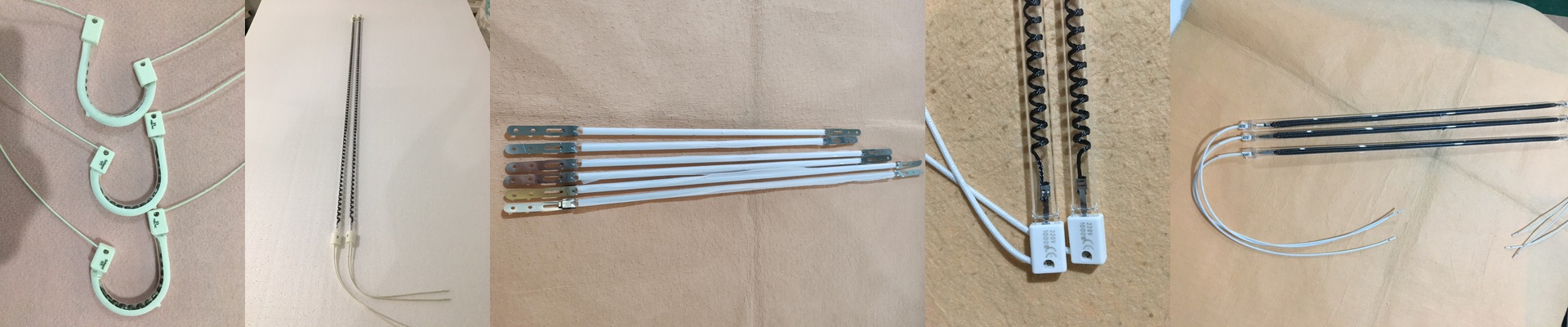
Once you’re wiring everything up, the biggest headache is usually the distance between the emitter and the pad. You have to be precise here. If the gap is too wide, semi-metallics just won’t get the intensity they need. Too close? You’ll get hot spots that warp the pad. We’ll give you the wavelength data so you can dial in your conveyor speed. That way, the material has exactly enough time to soak up the heat without overdoing it.