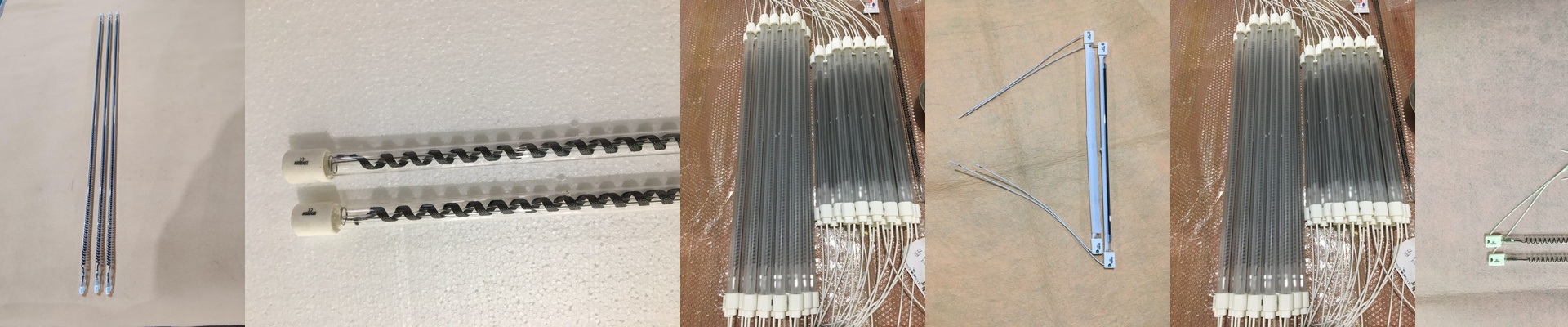
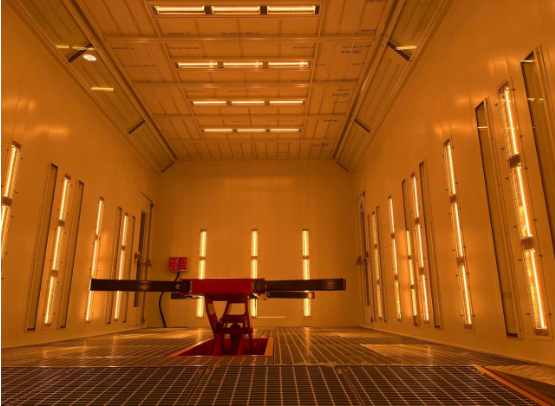
If you’ve ever worked with automotive interior parts, you know the frustration of springback. You pull a part out of the mold, and it just… shifts. It warps. It doesn’t stay where it’s supposed to. That happens because the material is still “fighting” you. There’s internal stress trapped in there since it didn’t get the right heat during the cycle, so the second it leaves the mold, it tries to snap back to its original shape. We stopped fighting this by ditching the old-school blanket heating. Instead, we use infrared zonal temperature control. The problem with “one size fits all” heat Most systems just blast the whole part with the same amount of heat. But a car interior isn’t a flat sheet of plastic. You’ve got tight corners, deep draws, and flat spans all in one piece. With zonal control, we break the surface into independent sections. This means you can crank up the heat on those stubborn, high-stress corners without scorching the flatter areas. You’re hitting that exact “sweet spot” temperature where the material actually relaxes and stays put. Getting the dimensions right The beauty of infrared is how it hits the polymer chains directly. By using zones, we can let specific areas “soak” in the heat for a few extra seconds. It’s a delicate balance. If you just blast everything with high heat, you’ll end up with thin spots or burned surfaces. But when you dial it in, the part actually matches your CAD drawing. No guessing. No praying that it doesn’t warp. The honest trade-offs Now, I won’t tell you it’s a magic button. This setup is a bit more work upfront. You’re looking at more wiring and a handful of PID controllers instead of just one loop. You’ll also need a solid thermal map of your part before you even start wiring. It takes more time to set up, sure. But it beats throwing half your production in the scrap bin because the parts are warped. Just a heads-up: these IR arrays put out a lot of heat. Make sure your ventilation is spot on. If the airflow isn’t right, the ambient heat will trip your sensors and shut you down. But once it’s running? You stop fighting the material. You’re finally the one in control.