Stop the Squeal: Why IR Heating Actually Works
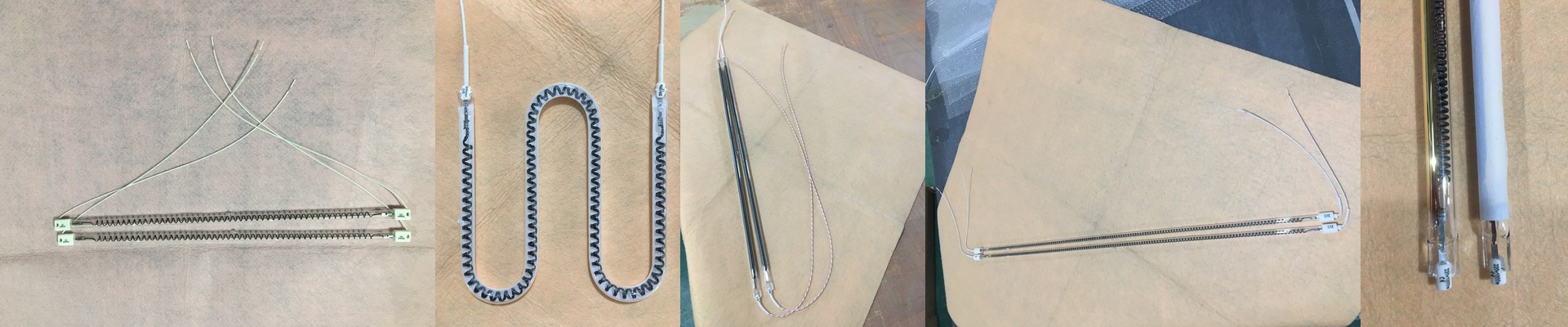
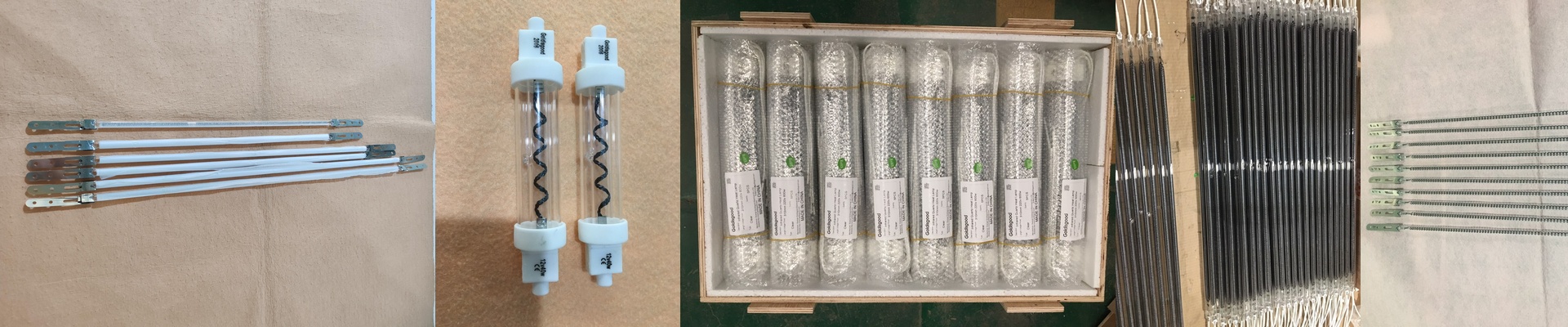
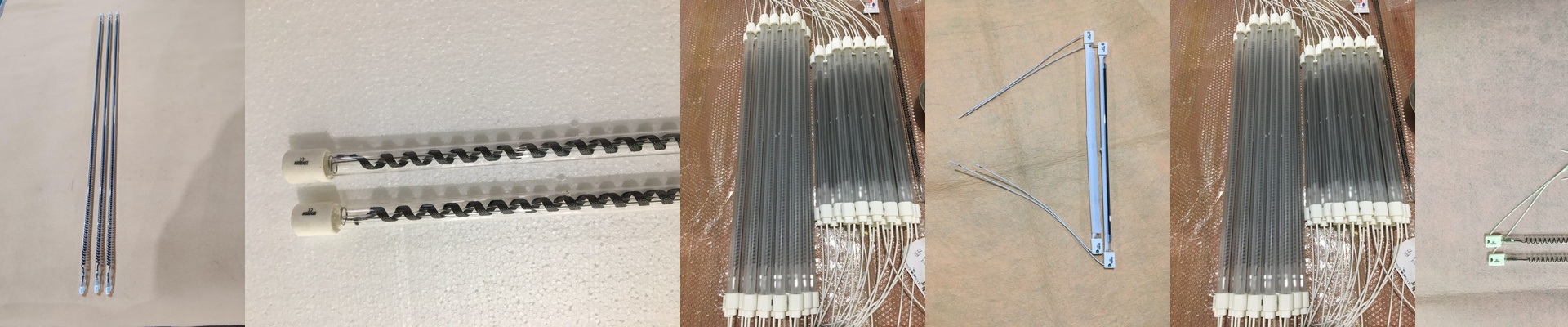
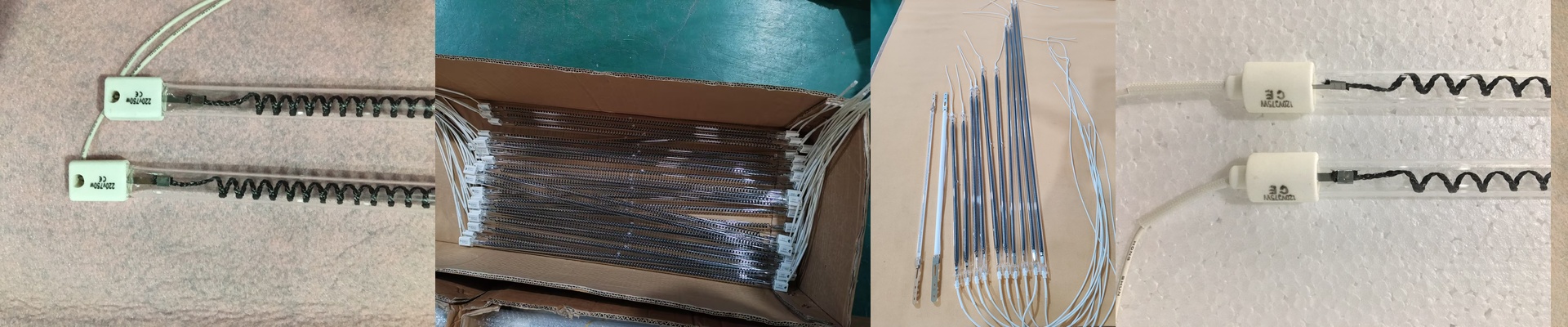
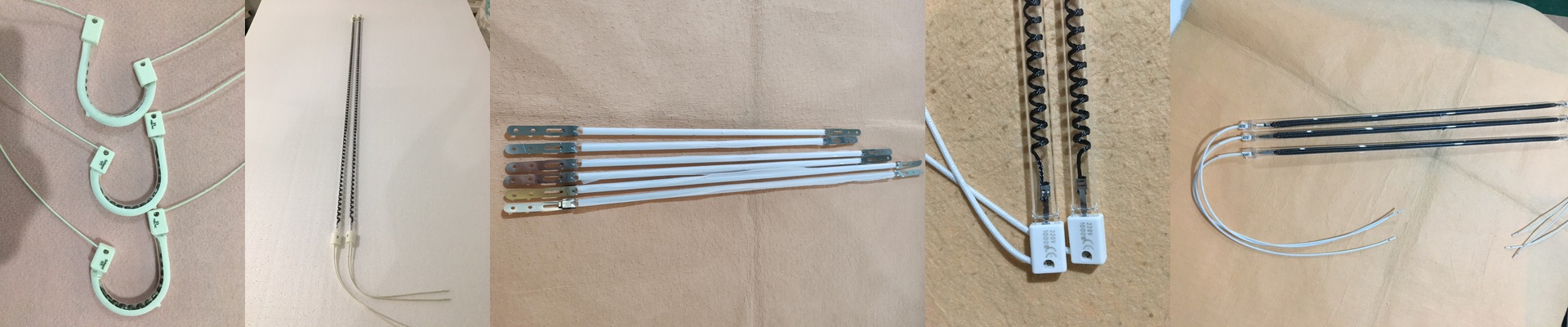
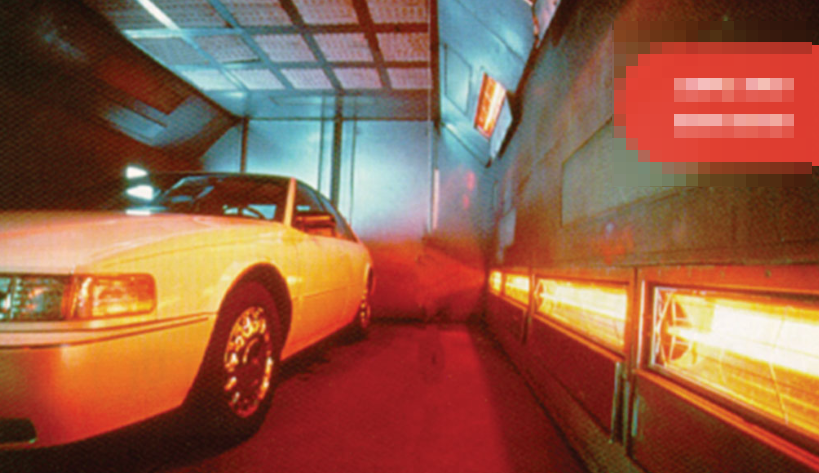
Ever wonder why some brake pads just won’t stop screaming? Usually, it comes down to how they were cured. If you’re using those old-school convection ovens, you’ve got a problem. The hot air hits the surface first, hardening the outside while the inside is still “wet.” This traps gases and volatiles inside the pad, creating these weird density gaps and internal stress. When that pad hits a rotor under load, it vibrates. And that vibration is that high-pitched squeal that drives customers crazy. Getting the heat where it matters That’s where short-wave infrared (IR) comes in. Think of it like this: hot air just sits on the skin. IR energy actually dives deep into the friction material. It heats the core and the surface at the same time. Because everything cures at the same speed, you get a solid, uniform bond between the friction material and the backing plate. No soft spots. No hidden air pockets. Just a solid piece of gear. The nuts and bolts of it To make this happen, we use high-density quartz lamps. They blast concentrated energy right through the air gap to hit those sintering temperatures fast. The goal here is speed. We want to ramp up the heat quickly so we don’t get that “skin effect” where the outside cooks before the inside even warms up. But you can’t just crank the dial to eleven. If you push too much wattage without speeding up your conveyor, you’ll scorch the surface resin before the core is ready. It’s a balancing act. You have to tune your PID controllers to the actual weight and mass of the pad you’re running. Real talk: The shop floor The best part? You can ditch those massive, space-eating ovens for a few IR tunnels. It clears up a ton of room in the shop. Just remember: IR is line-of-sight. If your pads are stacked or something is blocking the lamp, the heat simply won’t hit the target. You’ve got to wire your lamps to cover every inch of that friction surface. If you leave a cold spot, the bond fails, and you’re right back where you started.