Stop the Warp: Getting Automotive Interiors to Actually Stay Put
Ever pull a part out of the mold only to watch it slowly twist or warp right in front of you? It’s frustrating. That “spring-back” happens because the material is still fighting itself—it’s holding onto internal stresses that didn’t get shaken out during the heating phase. The trick to stopping this is zonal IR heating. Basically, we make sure the part hits a perfect thermal balance before it ever touches the mold.
Why “One Size Fits All” Heating Fails
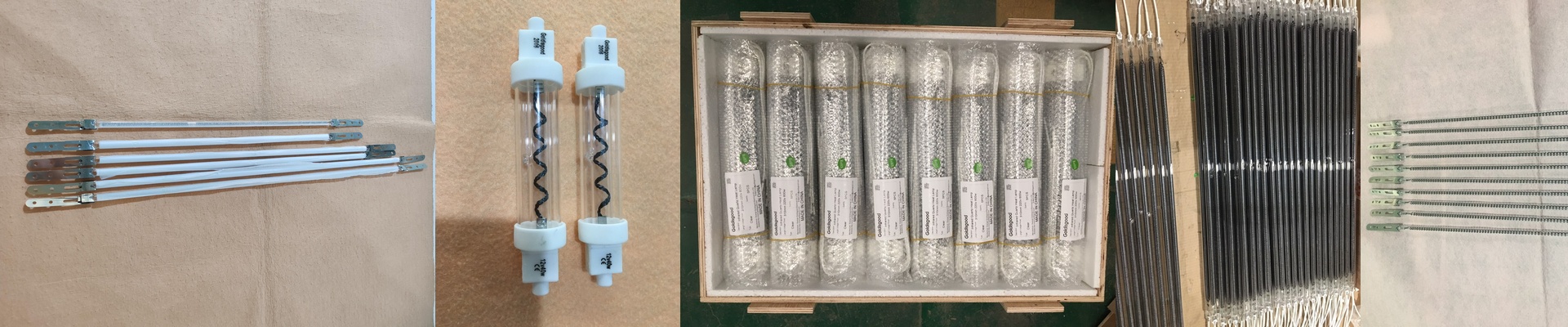
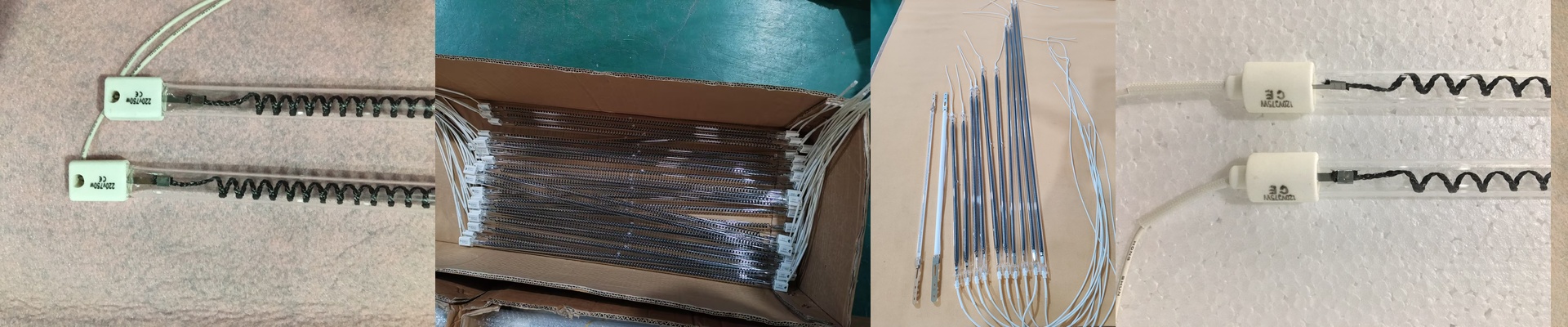
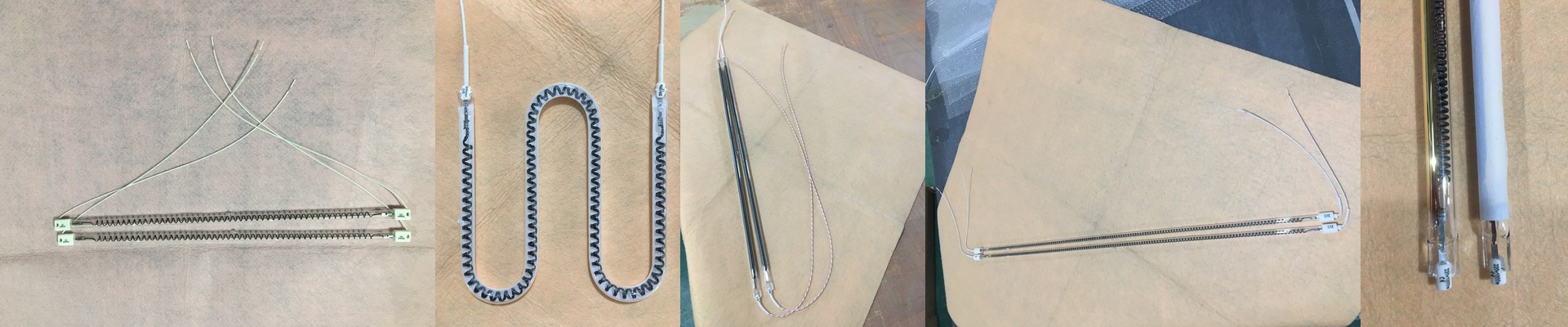
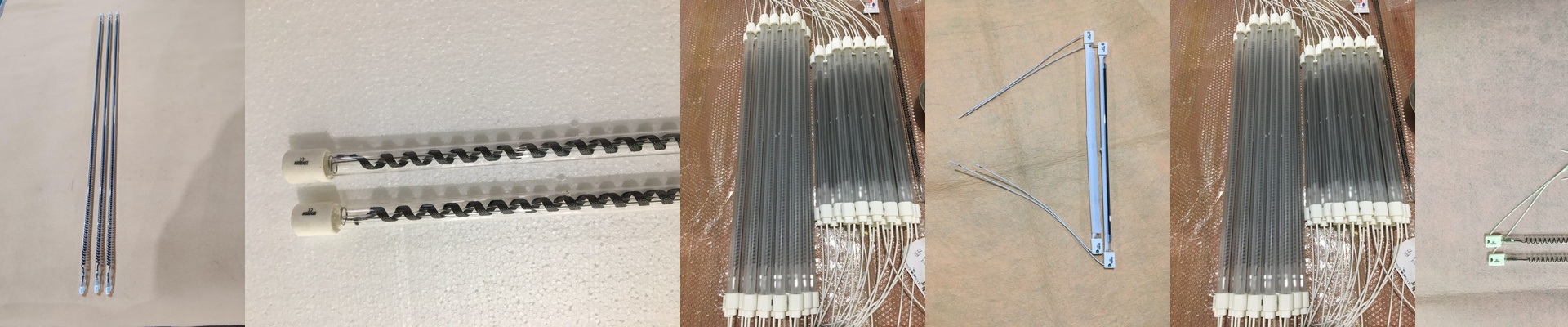
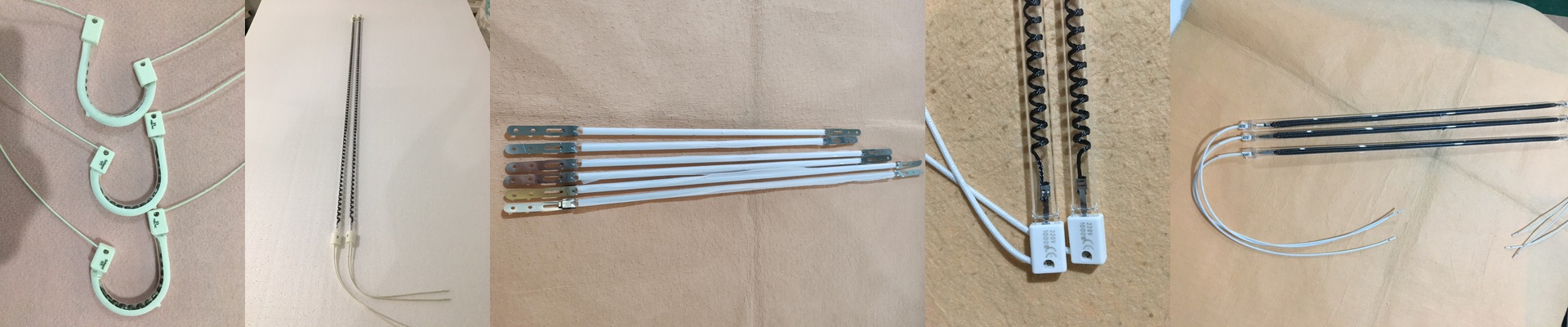
Here’s the thing: uniform heating is actually a myth when you’re dealing with complex interior trim. Think about it. You’ve got thin edges in one spot and thick, chunky ribs in another. If you blast the whole sheet with the same temperature, those thin edges will scorch while the thick parts stay cold. That’s why we split the IR emitters into separate banks. We can dial in the power for specific zones. By targeting the “problem areas,” we stop the material from fighting the mold. When the part isn’t struggling to fit, it stays put.
Getting the Heat Right
We use short-wave IR because it digs deep into the polymer fast. It’s way more efficient than just blowing hot air around. It lets us hit that sweet spot—the glass transition temperature—without burning the surface. Then, we pair it with a controlled cooling phase (and sometimes a little bit of reheating) to let all that residual tension leak out. The result? A part that actually holds its shape long after it’s off the line.
The “Gotchas”
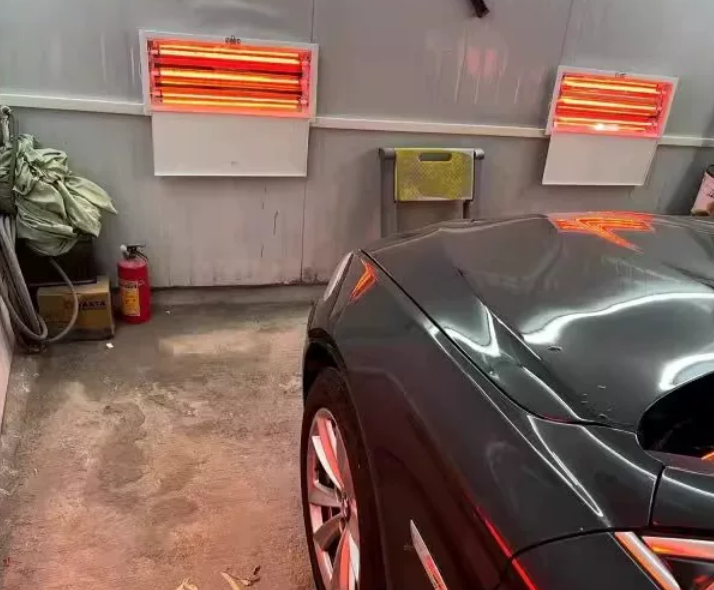
Of course, there’s a trade-off. These high-intensity arrays are great for fast cycle times, but they’re power-hungry. If you don’t spec your wiring and contactors for that initial surge of current, you’re going to have a bad time. And don’t forget the heat. Those lamps put out a lot of energy. If your cooling system can’t dump that ambient heat, your temperature setpoints will start to drift. And once they drift, those deformation issues you worked so hard to kill will come right back.