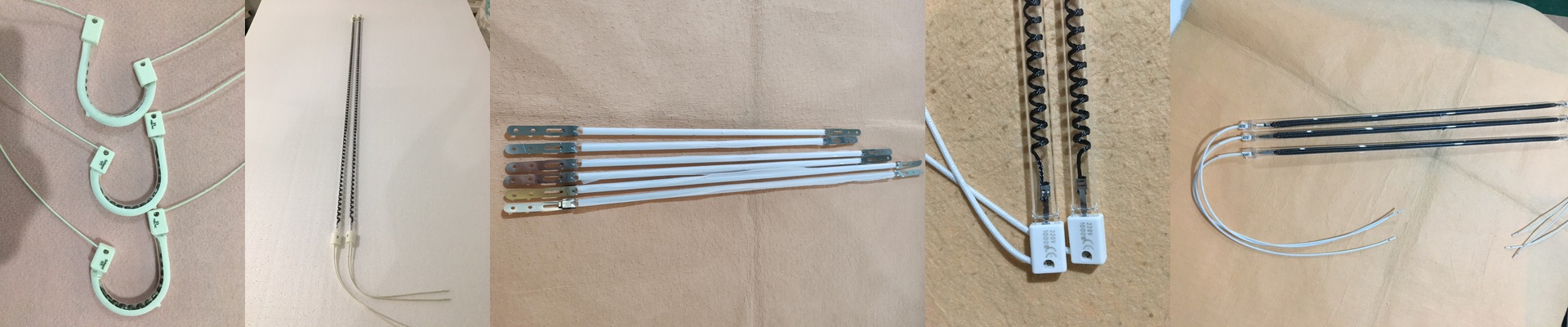
The Real Deal on Carbon Fiber Heating Elements
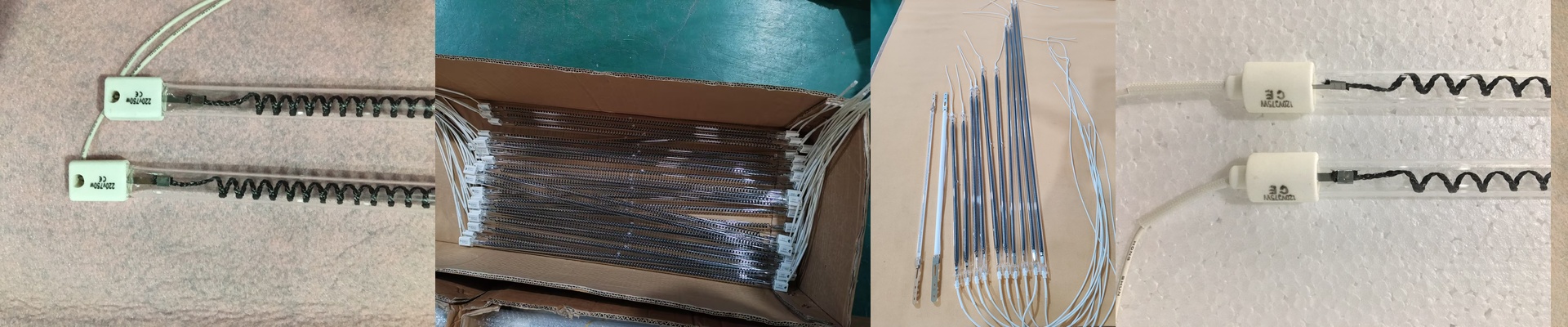
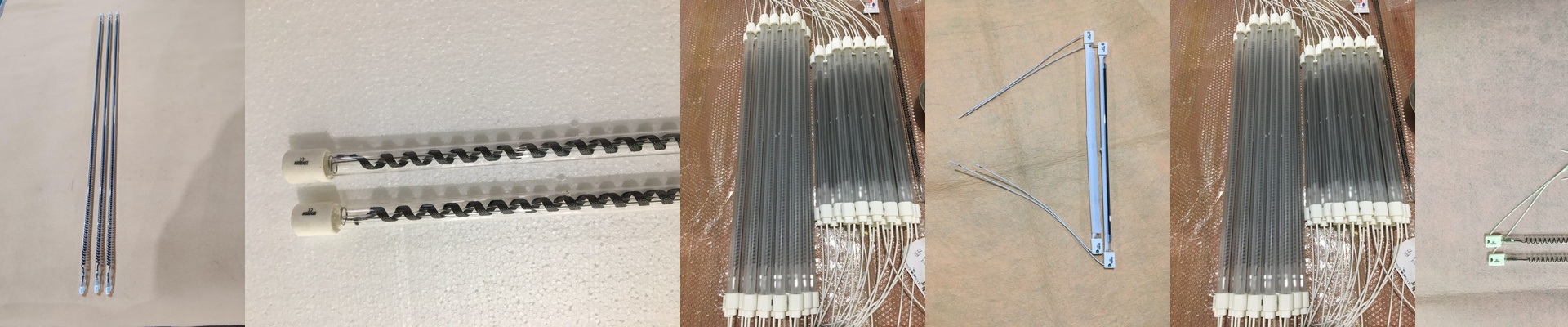
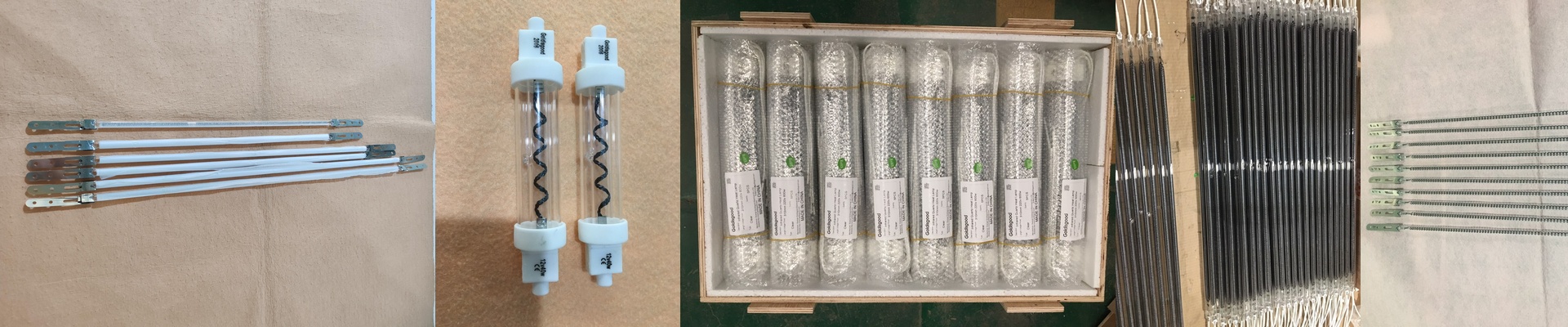
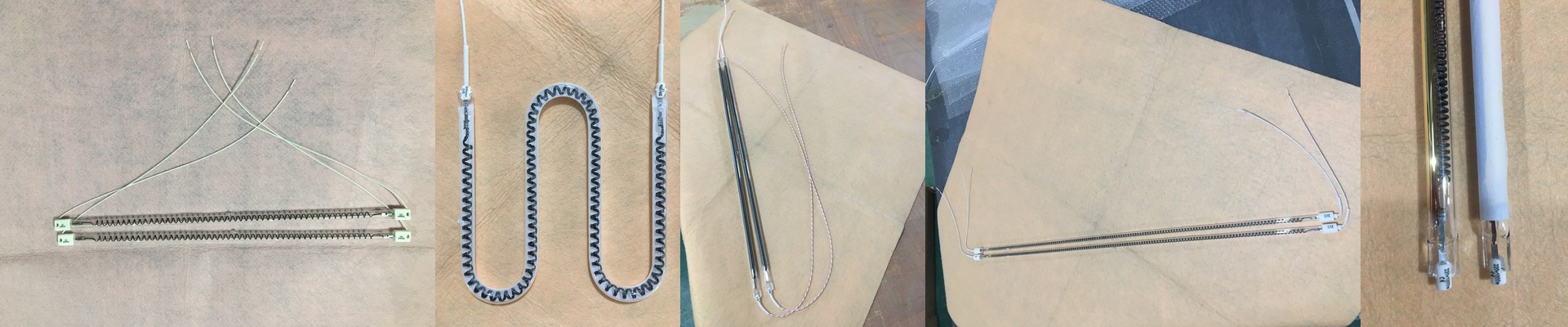
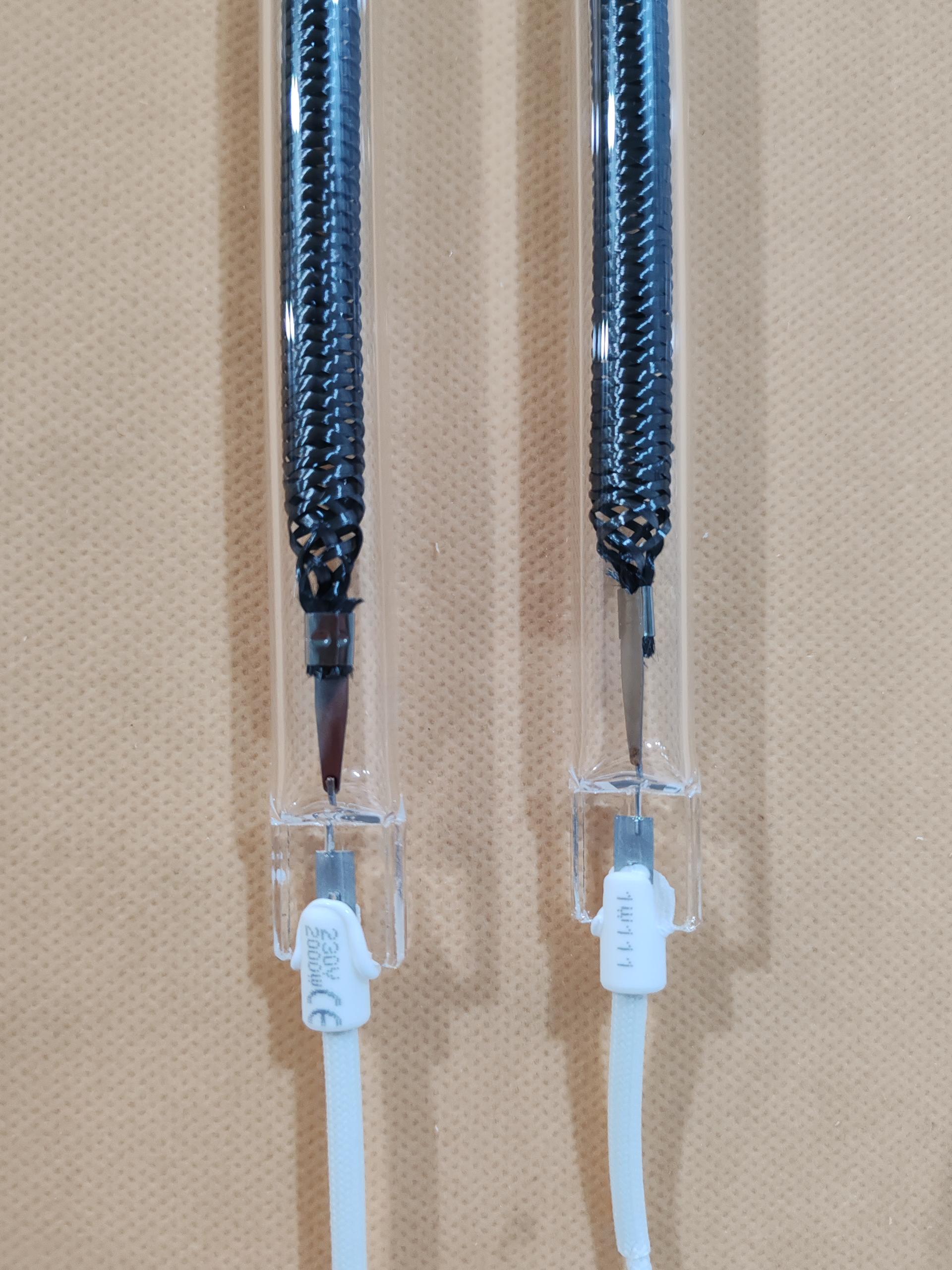
Think of these lamps as a carbon fiber filament tucked inside a quartz tube. They work through resistive heating, but here is the cool part: unlike those old metal coils that warp and bend when things get hot, carbon fiber just handles it. It takes a massive amount of current and stays steady. If you need heat that hits now and pumps out high infrared emission, this is your go-to. Getting the power right The magic happens in the balance between voltage, wattage, and how long the tube is. If you want a fast ramp-up—basically, getting to temperature in a blink—you’ll want a high-wattage setup. But be careful here. You’ve got to match the voltage to your power supply exactly. If you push too much voltage through, you’ll fry the filament. It’s that simple. Also, keep an eye on the length. A longer tube spreads the heat out nicely, but you have to mount it right so it doesn’t sag over time. The build and the bits We use high-purity quartz glass because it lets the IR rays pass through without getting blocked. Depending on what you’re doing, we can add a special coating to tweak the heat spectrum or keep dust and grime from ruining the tube. As for plugging them in, we stick to the basics like R7s or Sk15. Why? Because when a lamp eventually burns out, you want to be able to swap it for a new one without a headache. Plus, these connectors keep the electrical contact tight, which means no scary arcing at the terminals. Making it work in the real world You’ll see these all over the place in PET blowing and plastic curing. They’re great because they dump a concentrated blast of heat right onto the material. It’s fast. Really fast. And that makes your cycle times plummet. But there is a catch. Since these elements throw off so much energy in such a small space, your housing and fans have to be up to the task. If your ventilation is weak, you’re going to bake your surrounding electronics. And please, do yourself a favor: use heat-resistant cabling. Nobody wants to deal with melted insulation.