Keeping the Heat Steady in Brake Pad Curing
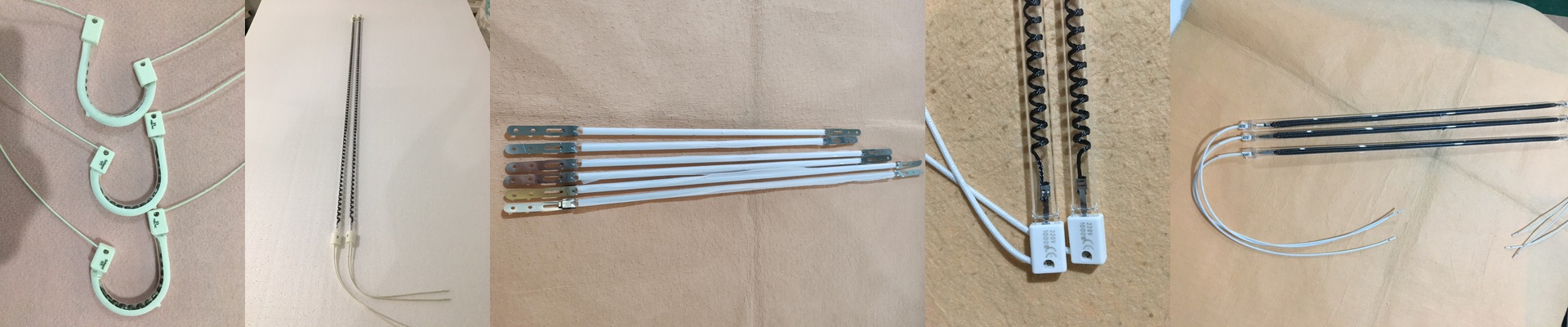
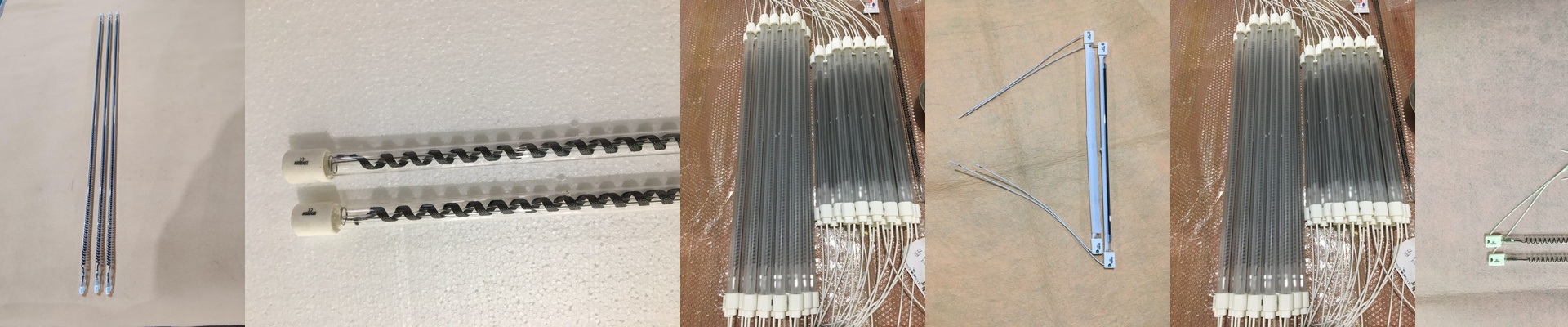
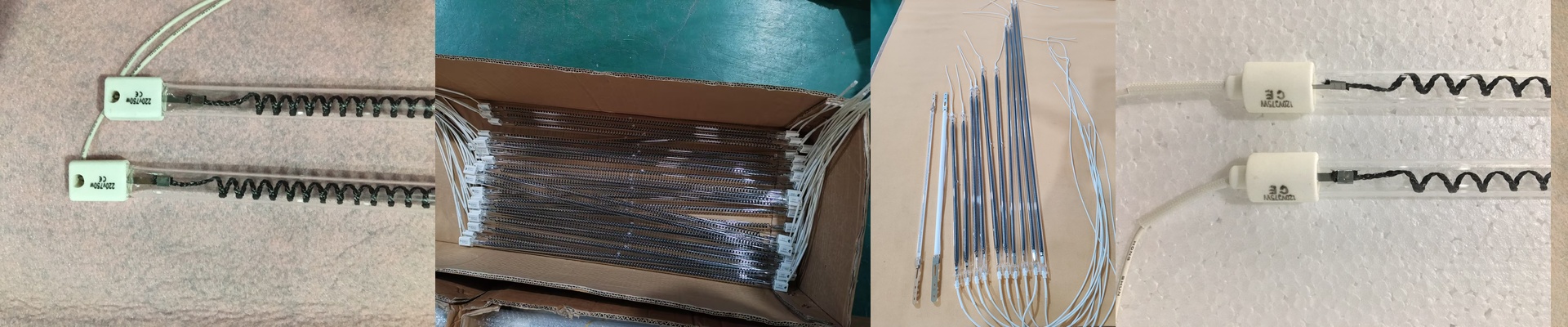
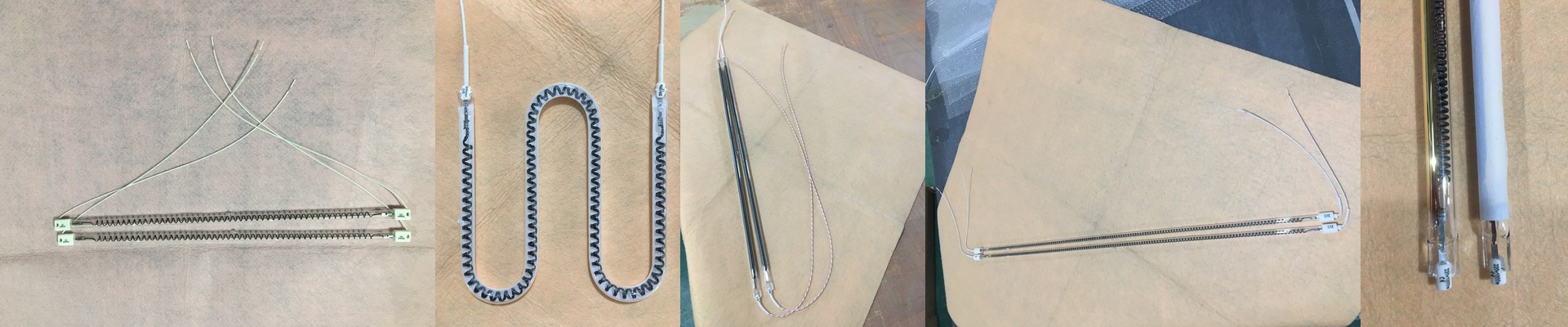
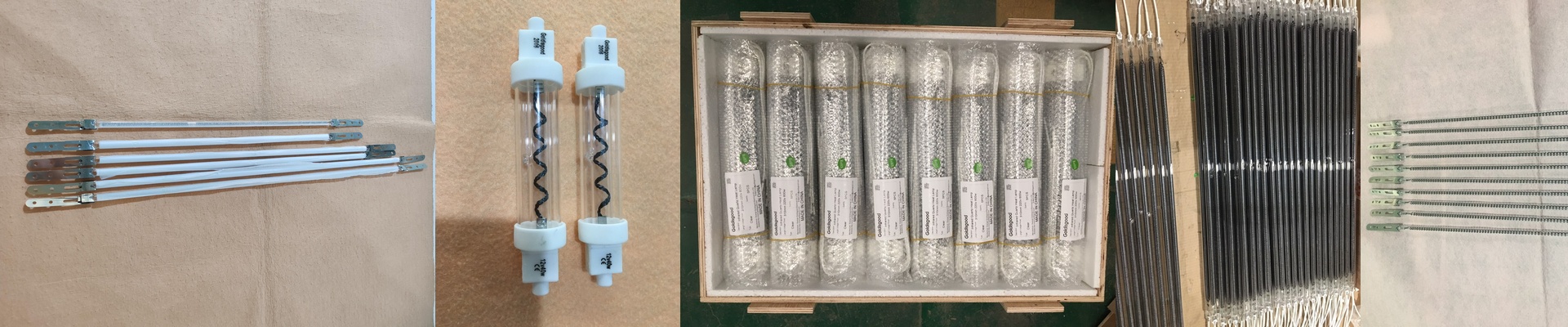
If you’re making brake pads, you know the deal. The friction material has to bond to the backing plate perfectly. If the heat isn’t exactly right, you’re looking at under-cured pads and a whole batch heading for the scrap bin. It’s a nightmare. That’s why we build our infrared (IR) modules the way we do. They’re designed to run 24/7 without those annoying power dips that ruin your day. Dealing with the heat and the power Here’s the thing about running a line around the clock: filaments expand when they get hot. That shift in temperature changes the electrical resistance, which can mess with your output. To stop that from happening, we use high-grade quartz envelopes and get really picky about the filament winding. We match the lamp’s wattage and voltage exactly to what your power supply can actually handle. And a quick tip: if you’re packing a lot of wattage into a small space, make sure your control cabinet is up to the task. If it can’t handle the current draw, you’ll get voltage drops. Simple as that. Built for the factory floor Factories are messy. You’ve got dust, you’ve got vibration, and things just get beaten up. We use heavy-duty connectors because loose connections are a recipe for disaster. They create hotspots, and hotspots kill your tubes early. We also obsess over the physical mounting. We make sure the tubes are locked in tight so they don’t start to sag after a few thousand hours of intense heat. The catch: Heat vs. Cooling High-density IR modules are great because they ramp up fast. Your throughput goes way up. But there’s a trade-off. That much heat puts a massive strain on everything around the conveyor. You can’t just slide these into an old frame and hope for the best. If you do, your machine chassis might actually warp. We provide the raw heating power, but you’ve got to make sure your airflow is dialed in. You need a solid cooling strategy for the areas that aren’t supposed to be hot, or you’ll be fixing a bent machine in no time.