Why We Switched to Carbon Fiber IR Heating
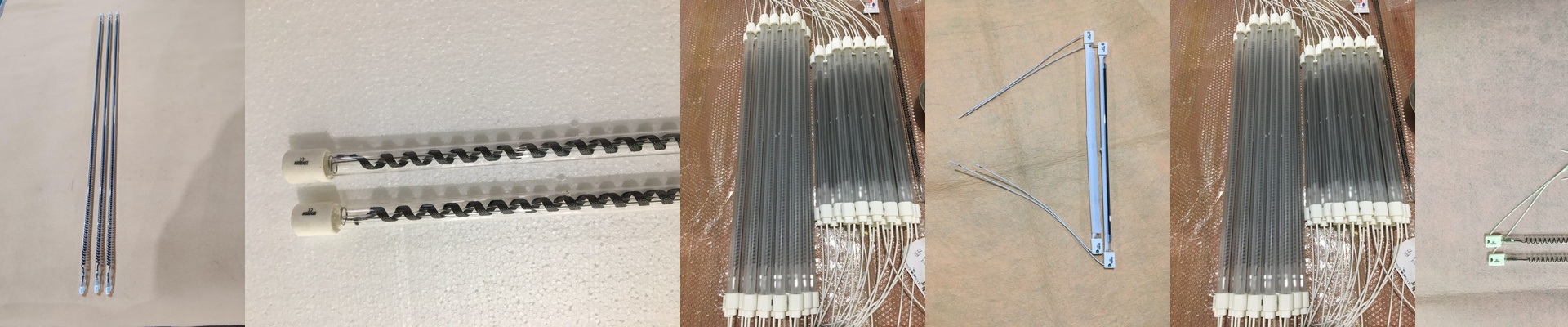
If you’ve ever worked with standard quartz heaters, you know the headache. They’re brittle. They take forever to get up to temp. It feels like you’re just waiting around for the machine to actually start working. That’s why we moved to carbon fiber filaments. Instead of relying on old-school metal coils, these use a conductive polymer matrix to push out mid-to-long wave infrared radiation. It’s a different approach, and honestly, it just works better.
The Heat and the Hustle
One of the best things about carbon fiber is how even the heat is. You don’t get those annoying hot and cold spots across the emitter. We usually figure out the specs based on how many watts you need per centimeter, but the real magic is the speed. Because carbon fiber doesn’t have the heavy thermal mass of traditional alloys, it hits your target temperature almost instantly.No more wasting energy and time while the machine sits idle. Just a heads-up: keep an eye on your voltage drop if you’re running long lines. If you’ve got a massive drying tunnel and you wire these in series, make sure your power supply can handle the resistance. Otherwise, you’ll end up with a cold spot at the end of the line, which defeats the whole purpose.
Built to Take a Beating
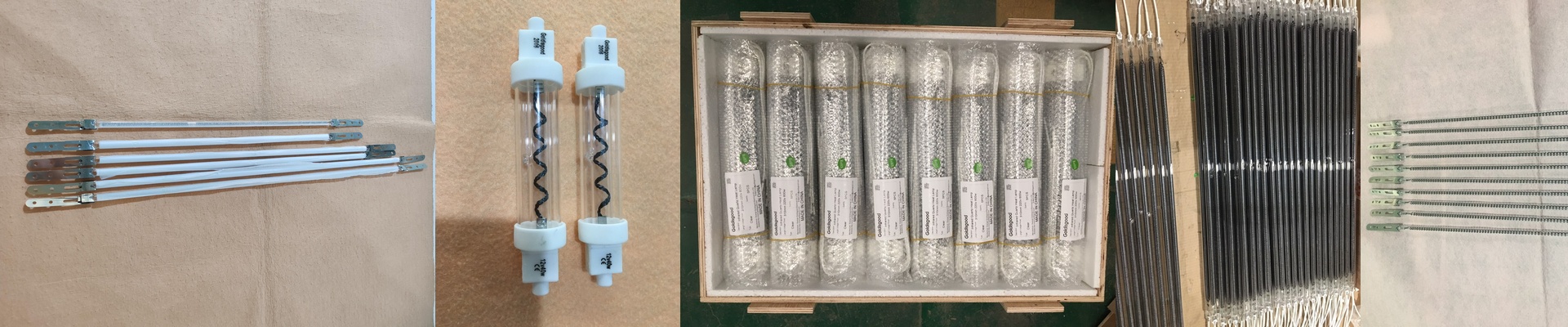
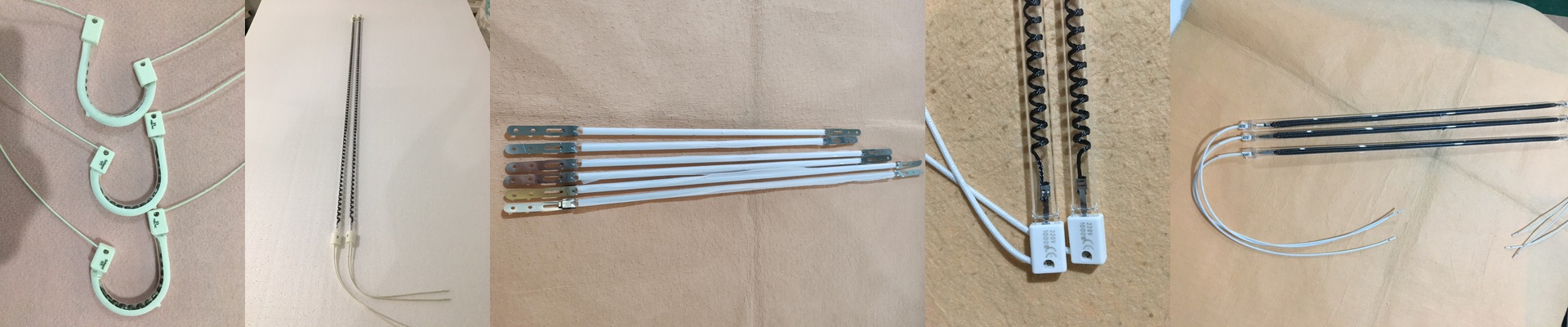
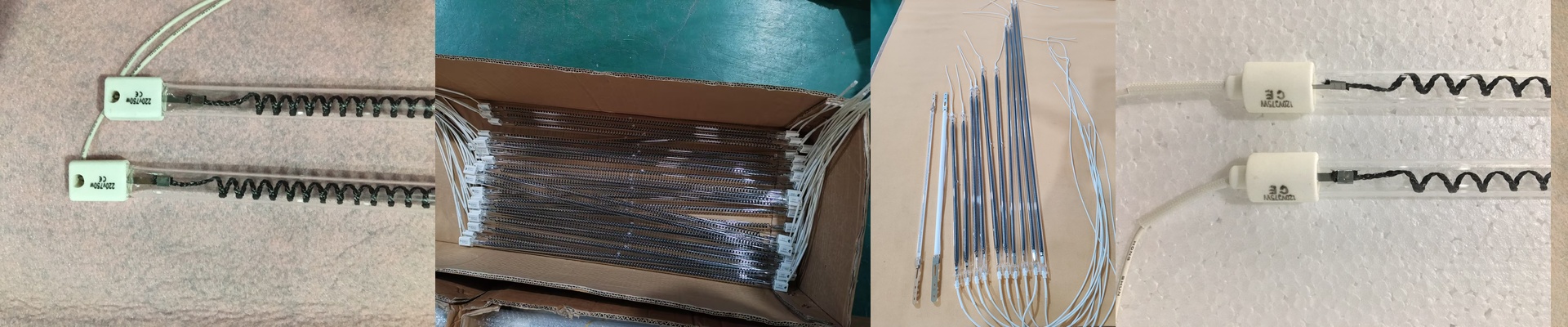
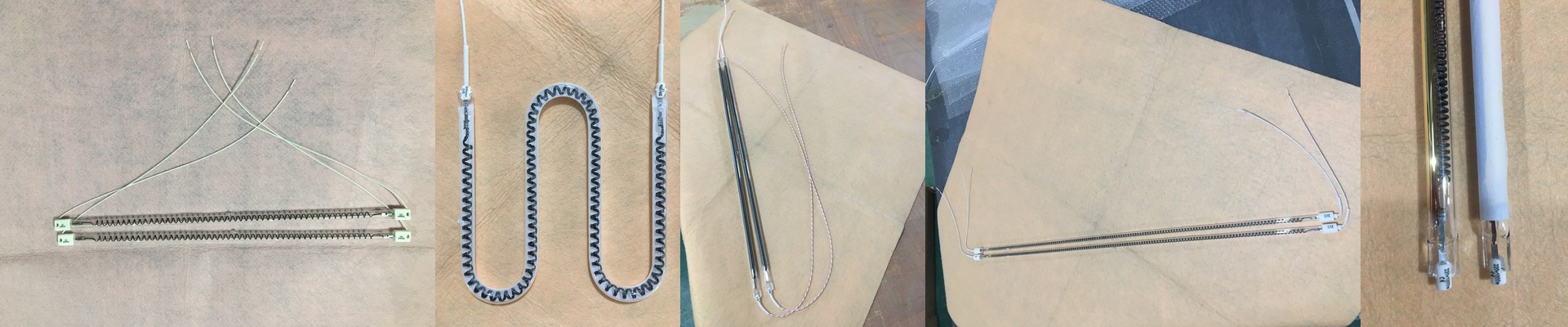
To keep the filaments safe, we wrap them in a high-purity quartz or a specialized polymer sleeve. This stops them from oxidizing and protects them from getting smashed. Here is the cool part: carbon fiber doesn’t just snap. Tungsten or nichrome can be temperamental when a machine starts vibrating, but carbon fiber is tough. It takes a beating and keeps on ticking. When it comes to the connectors, we usually go with crimping or soldering, depending on how much current you’re pulling. If you’re swapping these into an old rig,**please check your lead wire gauge.**There’s nothing worse than having your wiring overheat before the heating element even gets warm.
Making it Work for You
In most cases, these are a simple swap for the old IR lamps you’re probably using for PET blowing, paint curing, or textiles. Since they can handle higher surface temperatures without giving up, you can actually shrink the size of your heating zone. But there is a catch. Carbon fiber puts out longer wavelengths than those short-wave halogen lamps. This means the heat sinks deeper into your material. It’s great for the core, but it won’t “flash-dry” the very top surface as quickly. You’ve got to match the wavelength to the thickness of your material. If you don’t, you might accidentally burn the surface before the inside is even cured. It’s all about finding that sweet spot.
- Infrared
- Carbon Fiber
- Radiative Heating
- Thermal Efficiency
- Industrial Drying
- Carbon
- Fiber
- 2500w 415v R7s Half White Plated Halogen Lamp Infrared Heating Lamp Heater for Pet Blowing Machine
- 2500w 400v Halogen Infrared Curing Therapy Lamp Infrared Heat Lamp for Pet Bottle Blowing Machine
- 1000w 440v Sk15 Half White Plated Halogen Infrared Heat Lamp for Pet Bottle Blowing Machine
- 2500w-400v-Sk15-Ir-Heater-Lamp-Half-White-Halogen-Infrared-Heat-Lamp-for-Pet-Bottle-Blowing-Machine
- 235v 2000w 780mm Half White Infrared Quartz Heat Lamp for Pet Blowing Machines
- 2500w 400v R7s Coated Ir Lamp Halogen Infrared Heat Lamp for Pet Bottle Blowing Machine
- 350mm 220v 2500w Halogen Infrared Heat Lamp for Pet Blowing Machines
- 2500w-400v-Sk15-Halogen-Infrared-Heat-Lamp-Infrared-Lamp-Heater-for-Pet-Bottle-Blowing-Machine
- 2500w 415v R7s Replacement Infrared Lamp Halogen Infrared Lamp Heater for Pet Blowing Machine
- Sk15-Tungsten-Quartz-Infrared-Heating-Lamp-for-Pet-Blowing-Machine