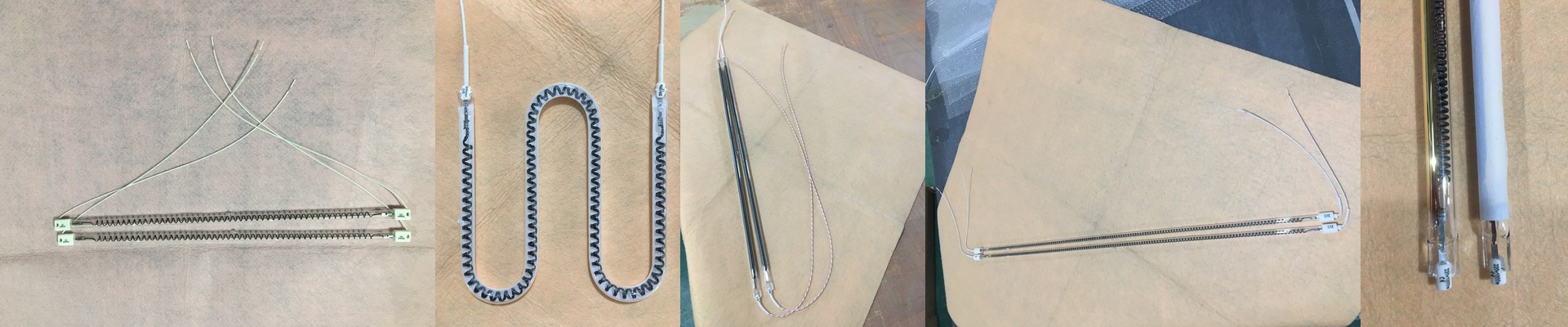
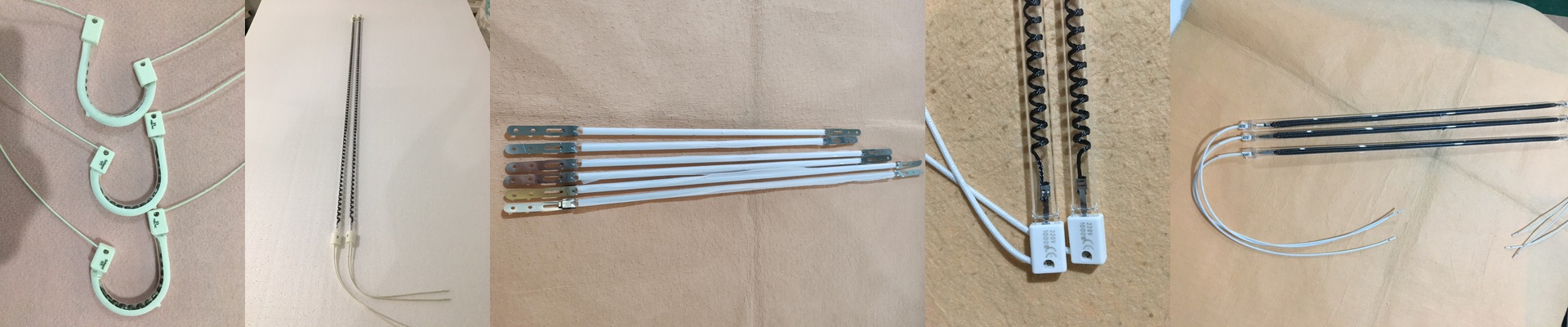
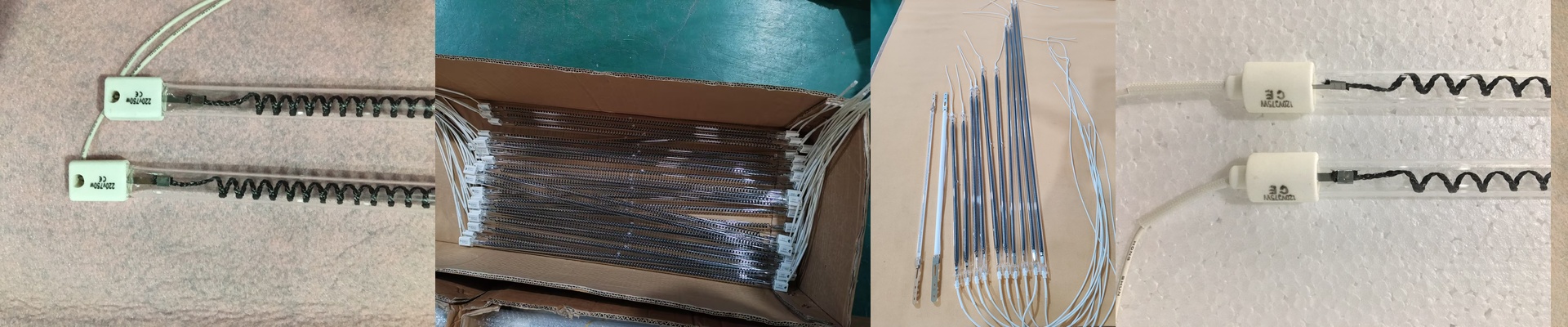
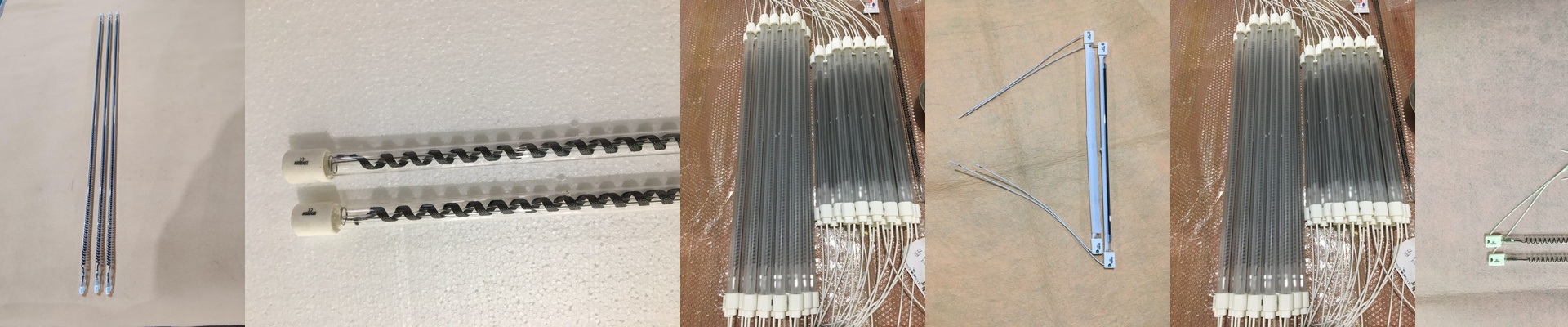
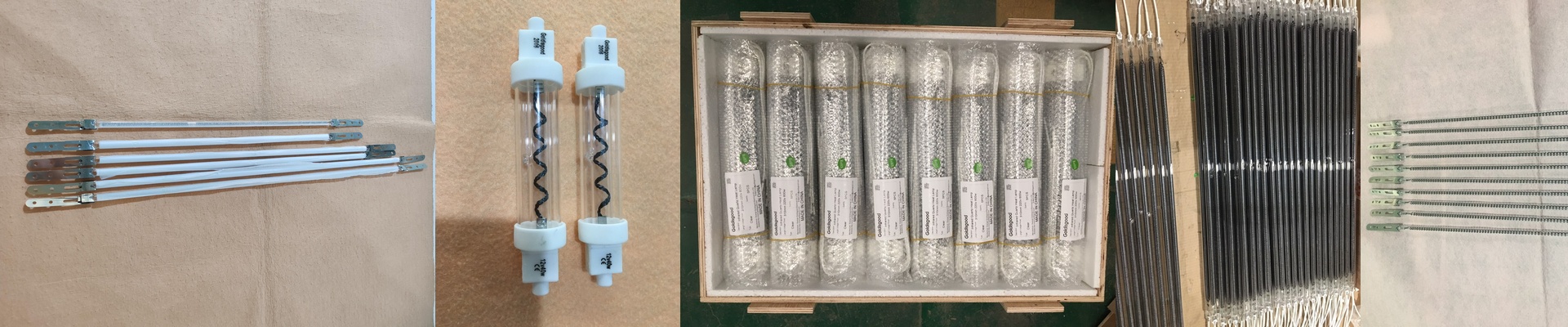
Let’s Talk About Medium-Wave Carbon Fiber Heating
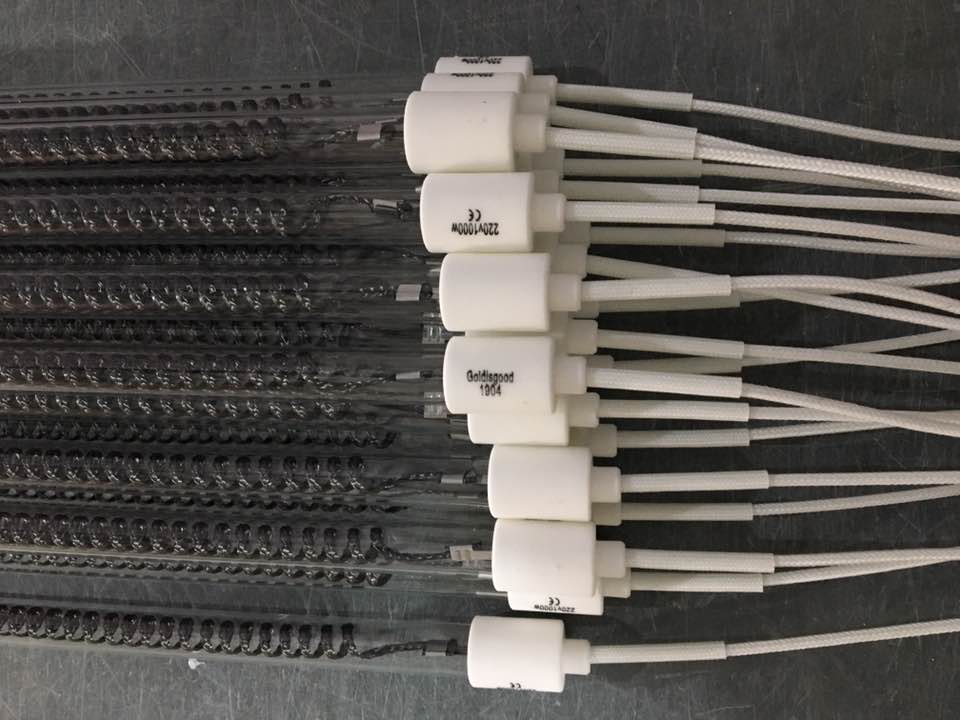
We built these carbon fiber lamps for the heavy hitters—the industrial setups that need a lot of juice, usually right around 1500W to 1600W. Instead of using those standard quartz halogen tubes you see everywhere, we went with a carbon fiber filament. That one change shifts the heat into the medium-to-long wave range, and it makes a world of difference in how the heat actually behaves. Getting the heat where it matters When you’re pushing 1600W, you’ve got some serious heat flux on your hands. We designed these for the jobs where “surface heat” isn’t enough. You know the ones—where the heat needs to actually sink deep into the material. Because the power is spread evenly across the tube, you hit your target temps way faster. But a quick heads-up: make sure your power supply can handle that initial surge. If your wiring is too thin, you’ll get voltage drops, and your heat output will just tank. Why carbon fiber? Here’s the thing about carbon fiber: it just takes the heat better than metal. It doesn’t evaporate nearly as fast, so your lamps actually last longer. Plus, organic materials and certain plastics just “love” medium-wave emission. They soak it up instead of letting it bounce off the surface. You get a nice, uniform heat soak rather than wasting energy. Fitting them in (and a couple of warnings) We made these as drop-in replacements. We kept the footprint standard because nobody wants to spend their weekend redesigning an entire infrared array just to swap a bulb. It’s a simple switch. But there are a few things to keep in mind. First, they don’t snap to full temperature instantly like short-wave quartz does. There’s a slight lag. You’ll need to tweak your PLC timing or maybe slow down your conveyor belt a bit to account for that. And for heaven’s sake,**vent your housing.**1600W in a tight space gets incredibly hot. If the air isn’t moving, you’re basically slow-cooking your own wiring, and you’ll burn through your lamps a lot faster than you should.