Getting the Most Out of the 775mm 2000W Carbon Fiber Heater
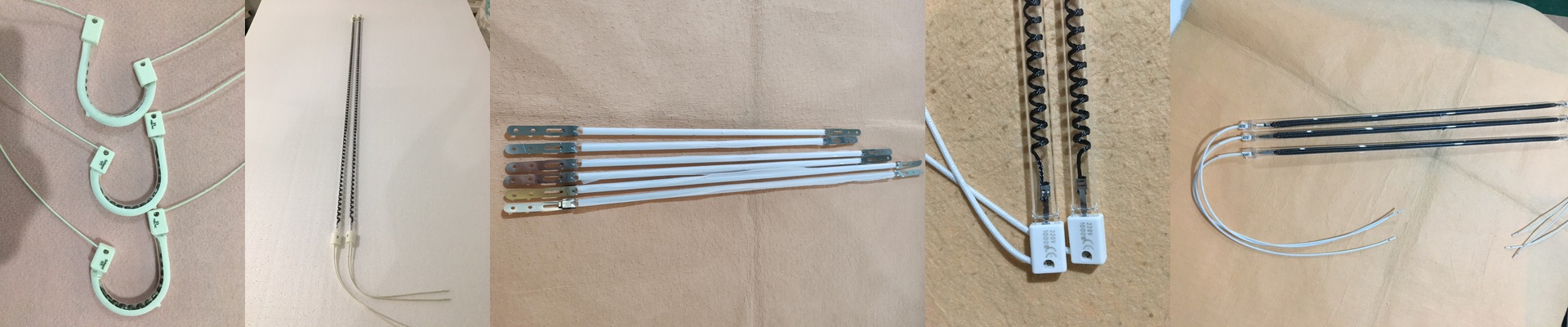
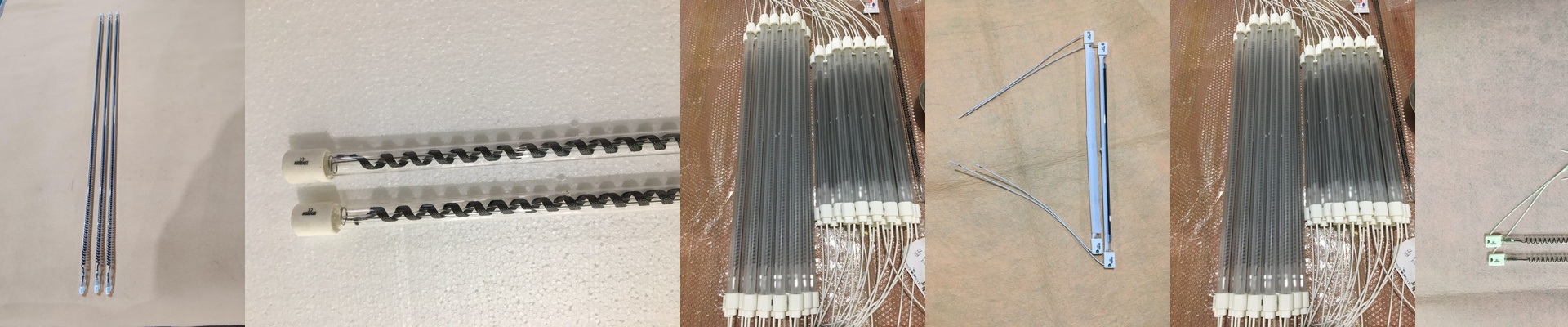
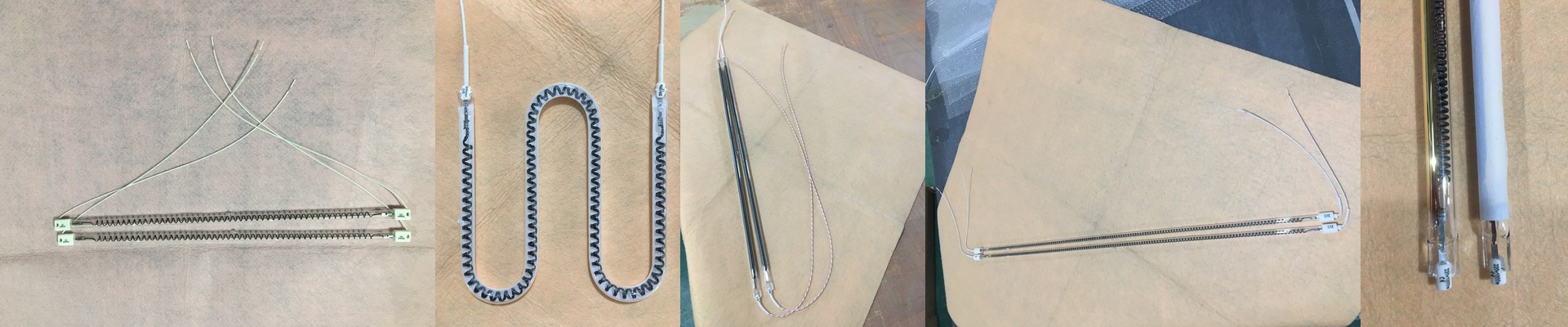
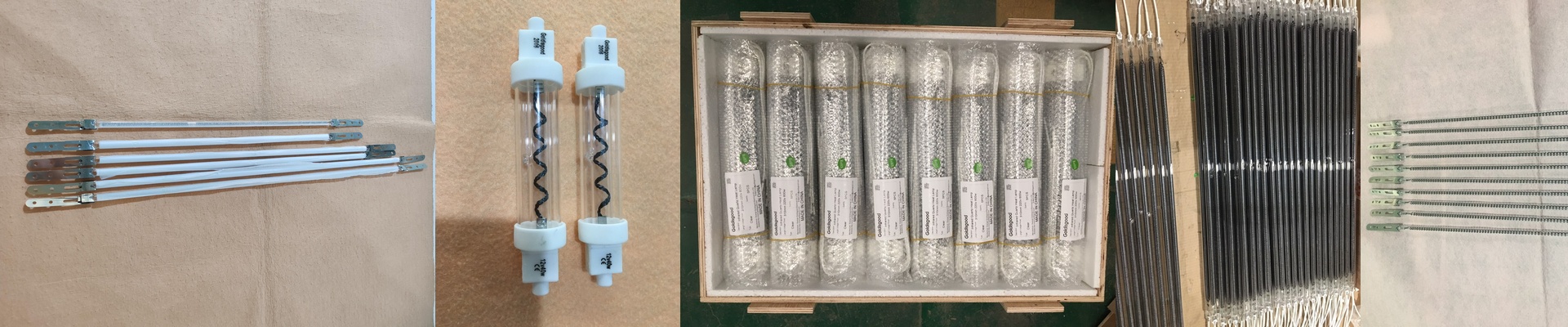
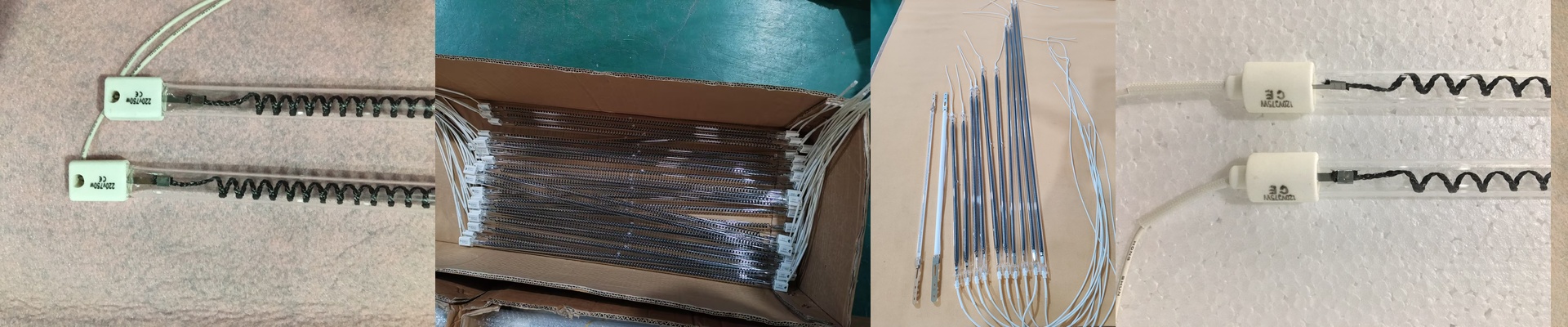
When we sat down to build these carbon fiber infrared lamps, we had one goal: raw, efficient heat for heavy-duty curing and drying. At 775mm and 2000W, these things pack a serious punch. The Secret Sauce: Carbon Fiber Here’s the thing about power density. When you push 2000W into a tube this size, you’re dealing with a lot of energy in a tight space. We went with carbon fiber filaments instead of the usual nichrome wire because they can take the heat. The result? They hit operating temperature way faster. You aren’t standing around waiting for the machine to warm up, which means you stop wasting electricity and start actually producing. Why Quartz? We seal that carbon fiber core inside a high-purity quartz tube. We do this because quartz basically lets infrared radiation slide right through without soaking it up. Since these emit medium-to-long wave infrared, the heat actually sinks deeper into your materials. It’s a different feel than those short-wave halogen lamps that just sear the surface. But a quick heads-up:**be gentle with the mounting.**Quartz is brittle. If your brackets are too tight or uneven, the tube will crack as it expands from the heat. Just give it a bit of breathing room. Making it Work in Your Shop Wiring these into your controllers is pretty straightforward. But keep in mind, a 2000W draw is no joke. Make sure your wiring and contactors can handle the current, or you’ll end up with overheating terminals. And look, this much heat is a double-edged sword. It’ll speed up your production line, but it’s also going to turn the area around the heater bank into an oven. You’ll want to double-check your airflow and cooling. If you let the heat soak build up, you risk warping your machine chassis or frying your sensors. If you’ve got some old, tired quartz tubes slowing you down, these are a great way to get your line speed back up.