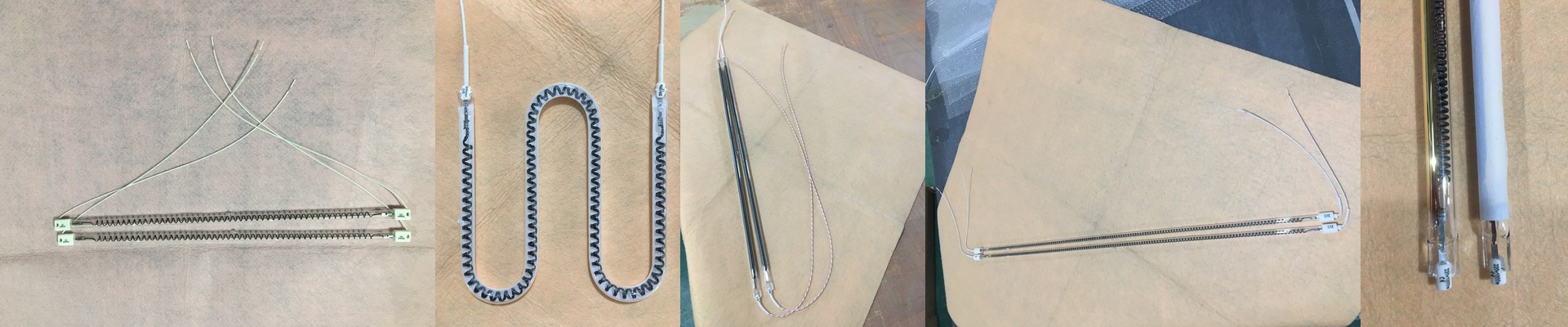
Let’s Talk About Carbon Infrared Elements for Healthcare Grills
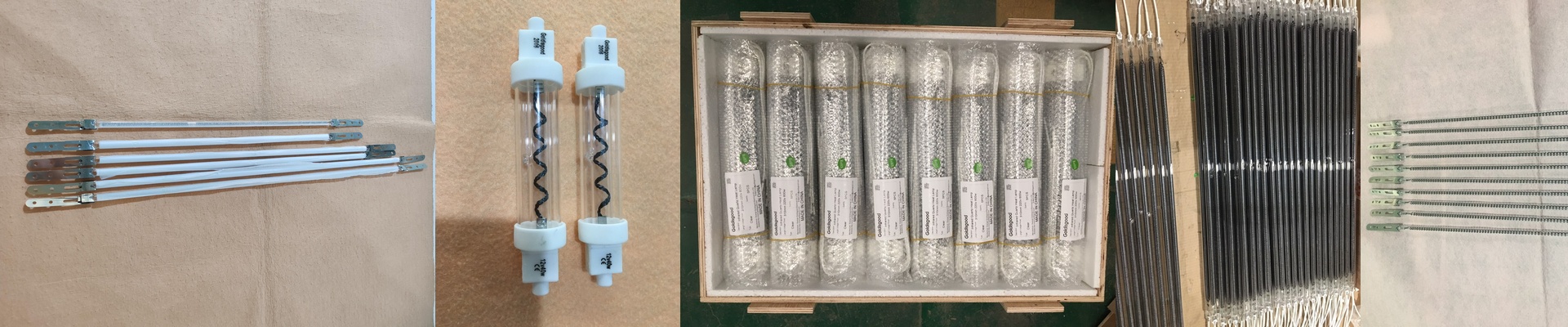
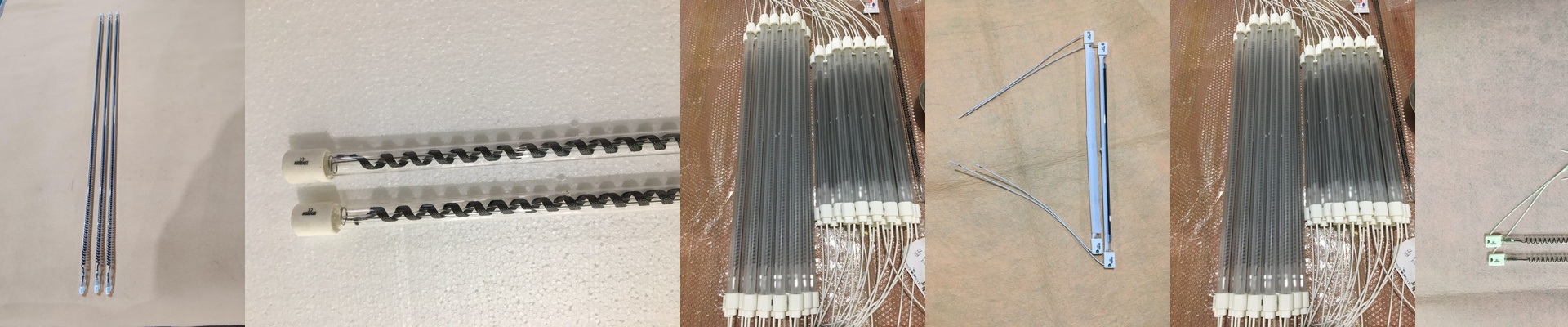
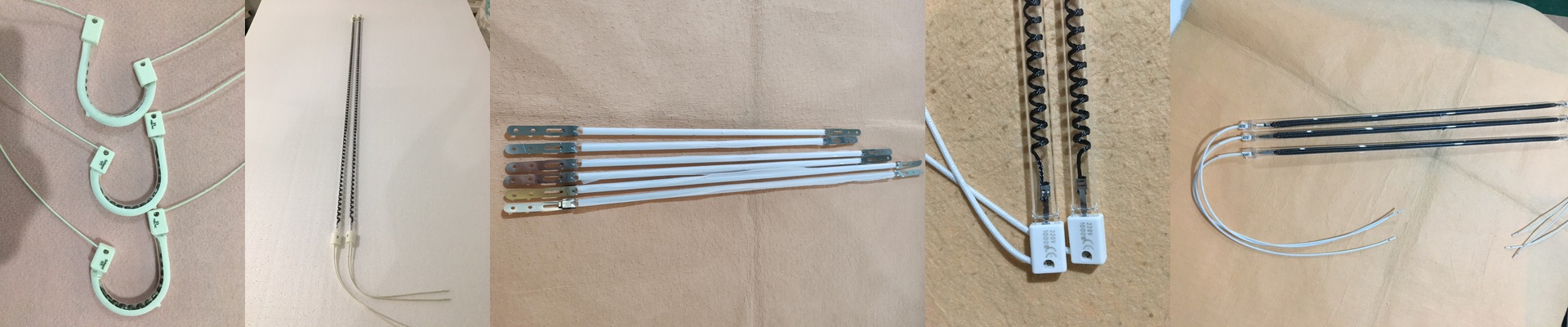
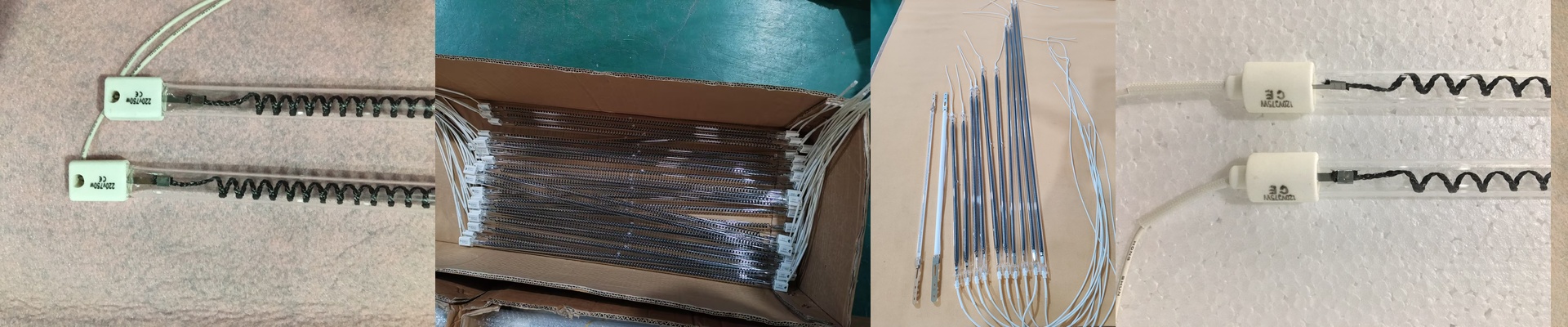
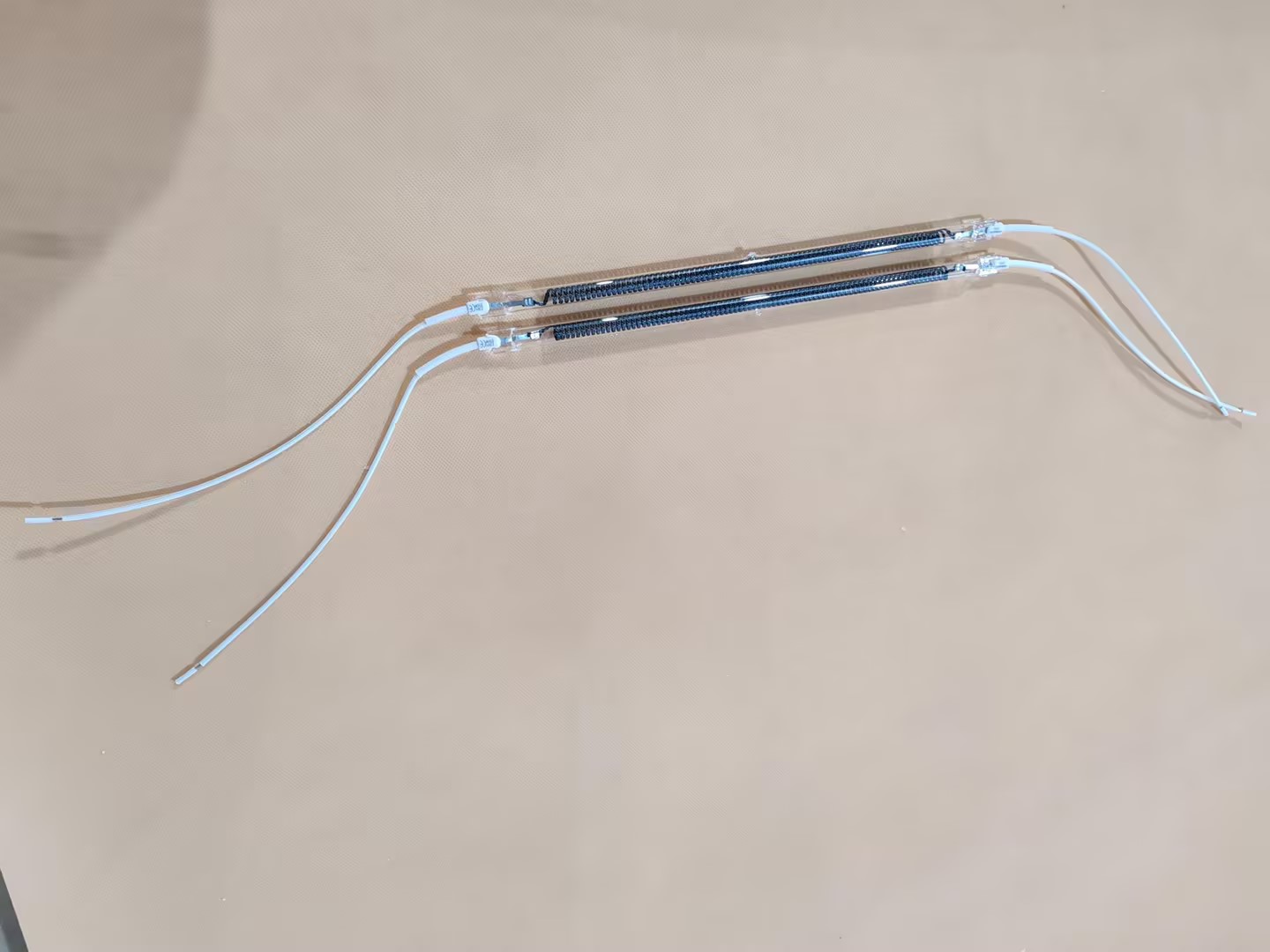
When you’re building electric grills for healthcare settings, you can’t just throw in some random heating coils and hope for the best. You need precision. You need a clean environment. And you definitely can’t have things scorching. That’s why we use carbon fiber filaments inside quartz tubes. Instead of that harsh, surface-level heat you get from old metal coils, these elements push out medium-to-long wave infrared. It’s a different kind of heat—it actually sinks into the food or materials rather than just blistering the top. The power side of things Here’s the thing about wattage and voltage: they dictate how “dense” the heat feels. In a medical or healthcare environment, nobody has time to wait around for a grill to warm up. We spec these elements to hit their operating temperature in a matter of seconds. It’s fast. Really fast. But a word of caution: that speed comes with a price. When these things kick in, there’s a massive initial surge of current. If your wiring isn’t up to the task, you’re going to be spending your afternoon replacing blown fuses or resetting tripped breakers. Make sure your power supply can actually handle the punch. What’s under the hood? The heart of the element is a carbon-based composite. We wrap that in quartz glass because it handles “thermal shock” like a champ and lets the infrared radiation slide right through without soaking it up. We’re also obsessive about the connectors. If a terminal is loose, you get arcing. That leads to hot spots, and hot spots lead to the whole thing burning out way sooner than it should. We don’t do “close enough” when it comes to tolerances. The trade-offs you should know about If you’re swapping out old resistive coils, these are a breeze to install. They’re smaller and they react almost instantly. But—and this is a big but—quartz is brittle. It’s glass, after all. If your grill is going to be vibrating or taking a bit of a beating, you’ve got to put some protective guards over those tubes. If you don’t, they’ll crack. Also, double-check your mounting brackets. As the tubes heat up, they expand. If they’re pinched too tight, they’ll snap under the pressure. Give them a little room to breathe.