Why we went with a “knit” for our carbon fiber heating hearts
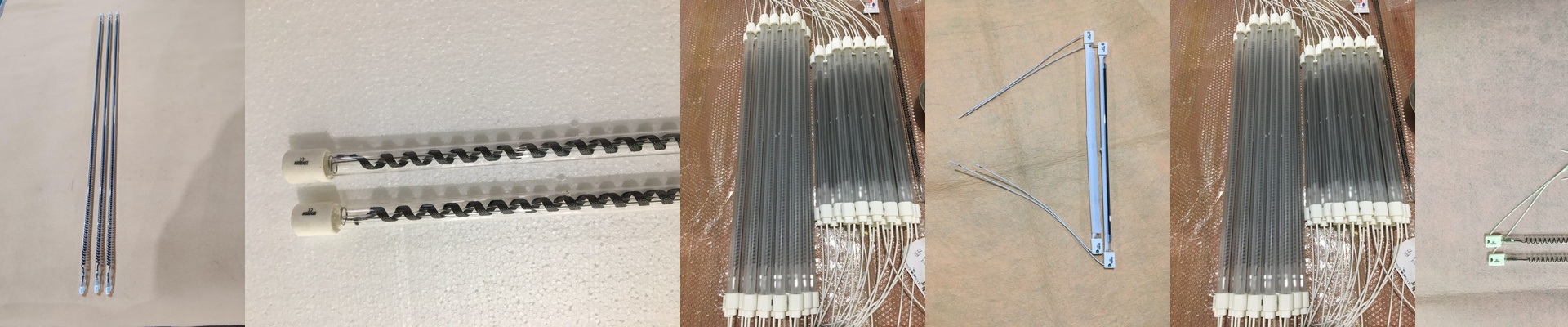
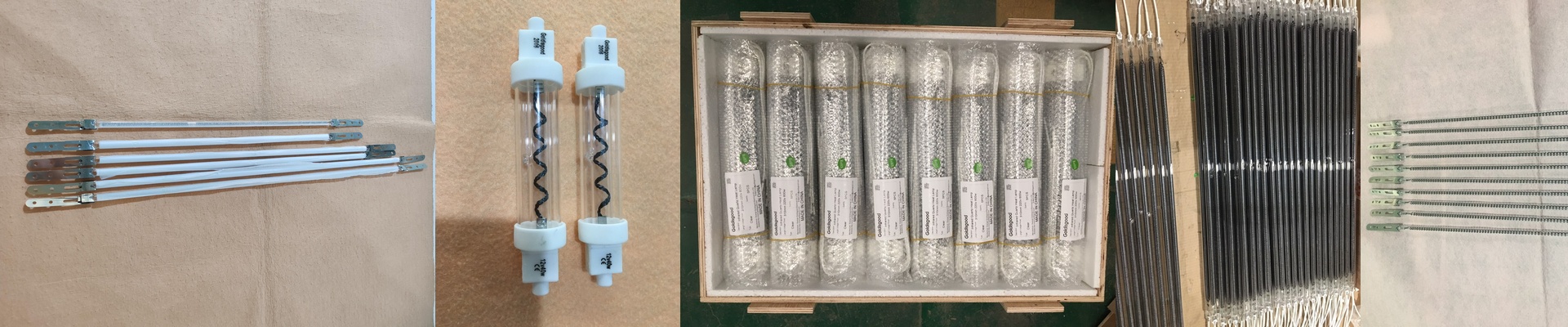
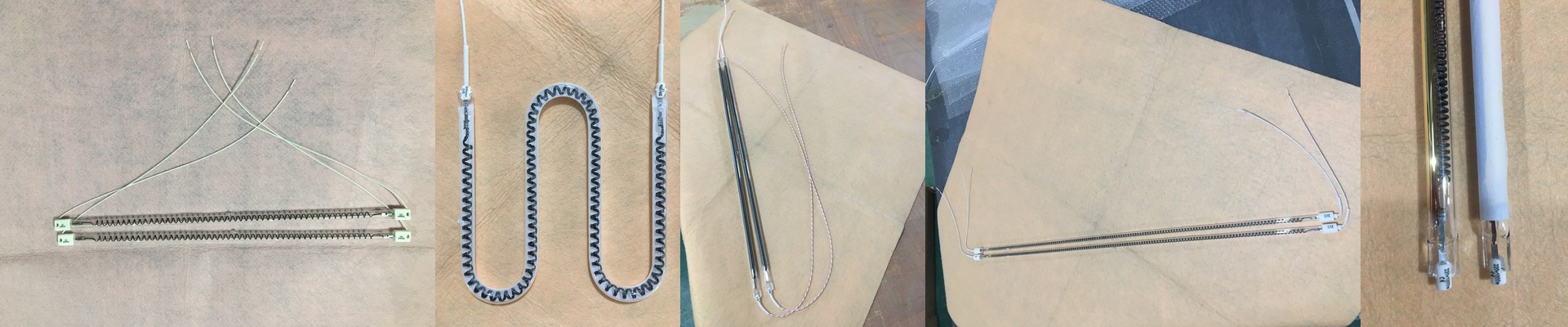
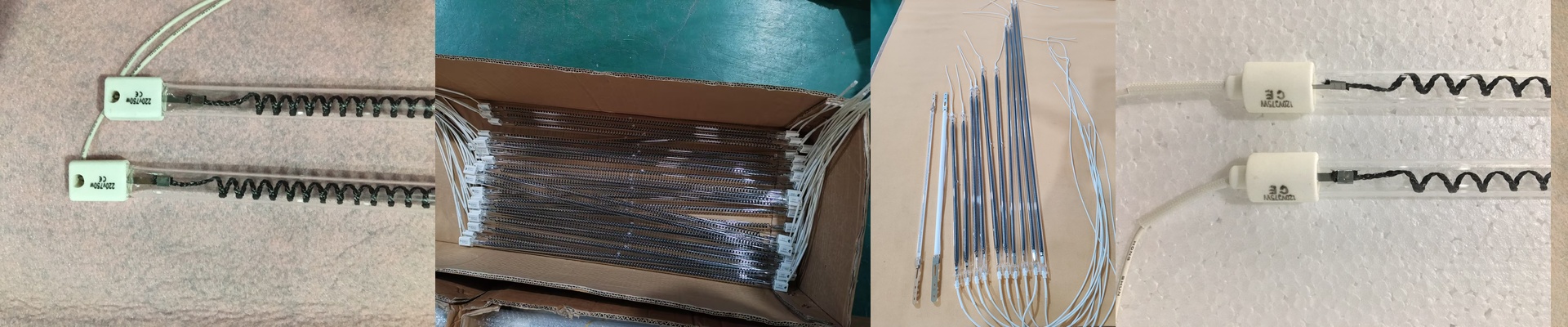
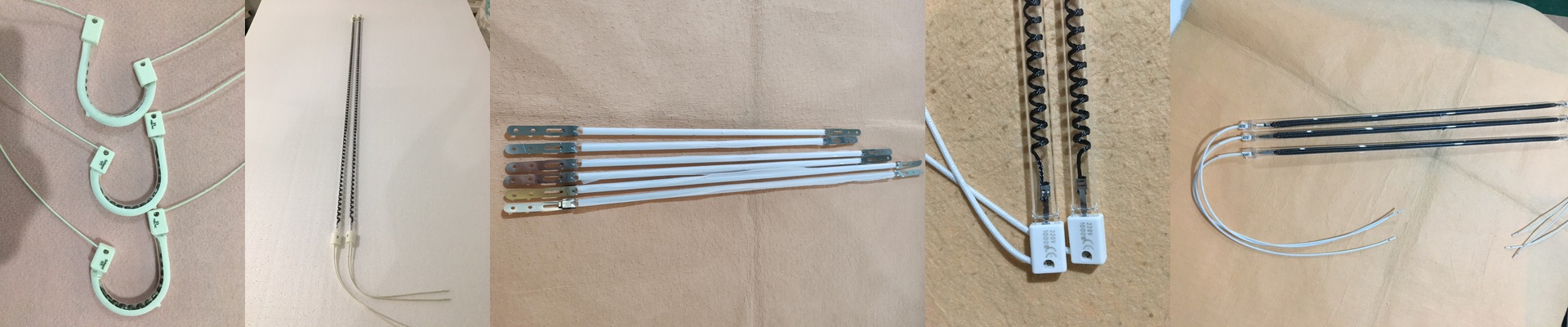
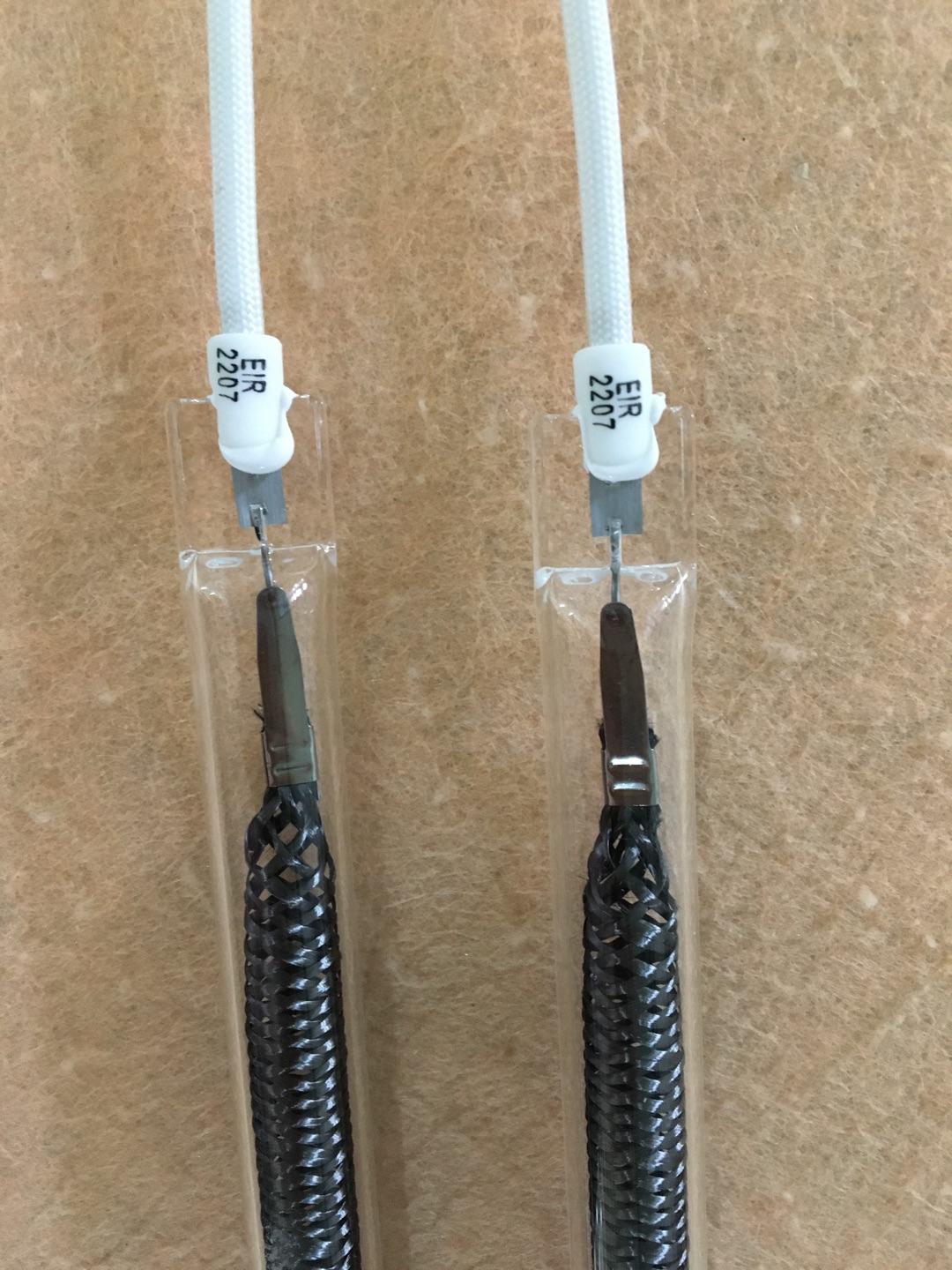
Let’s be honest: rigid heating elements are a pain. They’re stiff, they hate being bent, and the moment you put them under any real mechanical stress? They snap. Or worse, they develop these dangerous hot spots that can ruin your project. That’s why we stopped thinking about heaters as “wires” and started thinking about them as fabric. By knitting the carbon fiber, we created something that actually likes to flex. It doesn’t fight the movement; it moves with it. This spreads the electrical load across a woven matrix, so you get a nice, steady glow of heat across the whole surface instead of a few scorching points. The nitty-gritty on the heat We’re using Joule heating here, but the magic is in the knit. Because the fiber follows a longer, woven path in a small space, we can hit the exact wattage you need without blowing out any single part of the filament. It’s consistent. No weird spikes. To keep things safe, we wrap the carbon fiber core in a heat-resistant polymer or silicone sheath. It keeps the oxidation away and protects the fiber from getting rubbed raw. Just a heads-up: if you’re running these at full blast, that outer skin is going to take a beating. I’d recommend giving the insulation a quick check every 2,000 hours just to be safe. A few things to watch out for Wiring these up is pretty easy, but you can’t just wing the voltage. The tighter the knit, the higher the resistance. If you try to power a high-density knit with low voltage, you’re just not going to get it hot enough. And here is the catch: carbon fiber is a bit more sensitive than your old-school nichrome wire. It ramps up to temperature incredibly fast, which is great, but it can’t handle power surges very well. One big spike and you’ve fried your fibers. My advice? Use a PID controller. It keeps the temperature from overshooting and makes the whole thing last way longer. Where this actually works We see these popping up everywhere lately—wearable tech, medical warming pads, and those tricky industrial seals. Because it’s basically a heated fabric, it contours to almost anything. You can wrap it around a curved pipe or sew it right into a garment. It goes where a rigid rod simply can’t.