Keeping Your Brake Pad Heaters from Quitting on You
If you’ve ever worked in brake pad production, you know the drill. If the curing cycle isn’t spot on, the friction material won’t bond to the backing plate. Simple as that. But the real headache? Getting your heaters to actually stay consistent. Most standard elements drift over time, but we build our infrared modules to run 24/7 without breaking a sweat.
The Battle Against Power Drift
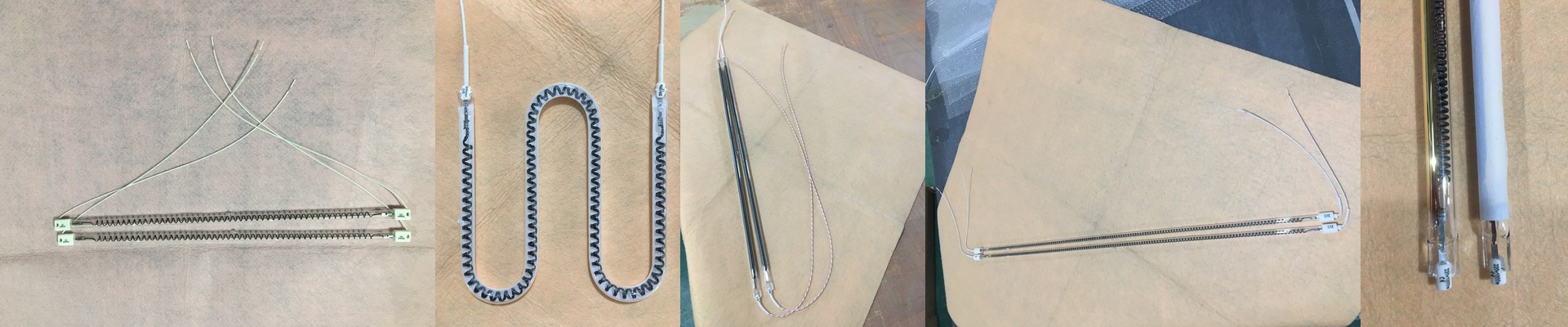
Here is the thing about heat: it’s finicky. If your power supply ripples even a little, your heat output swings. That’s how you end up with a batch of unevenly cured pads—or worse, charred ones. To stop that, we focus on the filament’s thermal equilibrium. We use high-purity tungsten and heavy-duty quartz envelopes to keep the resistive load steady. It just works. But you’ve got to be smart about your wattage and conveyor speed. If you crank the heat too high for a slow line, you’ll toast the surface before the core ever gets warm. It’s a bit of a balancing act. Higher wattage lets you speed up the line, but it puts more pressure on your electrical panels.
Built for the Grind
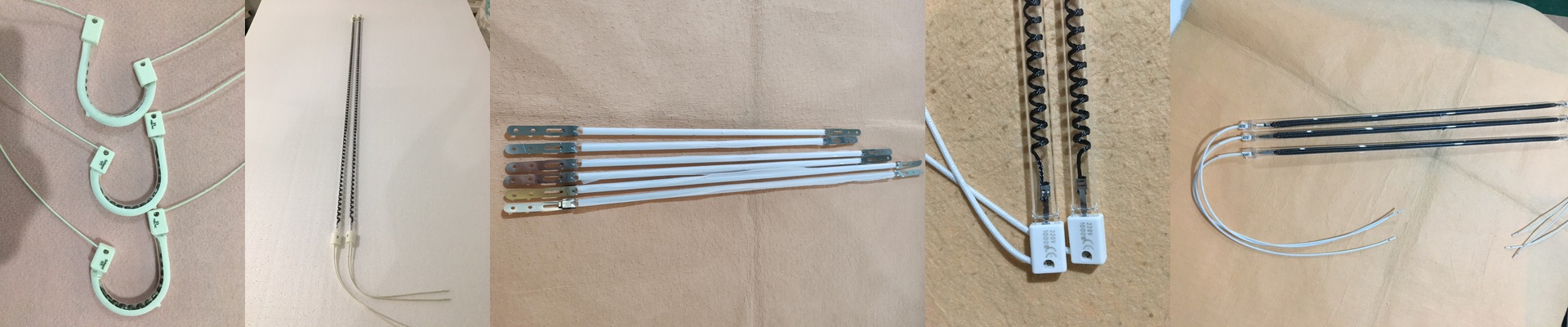
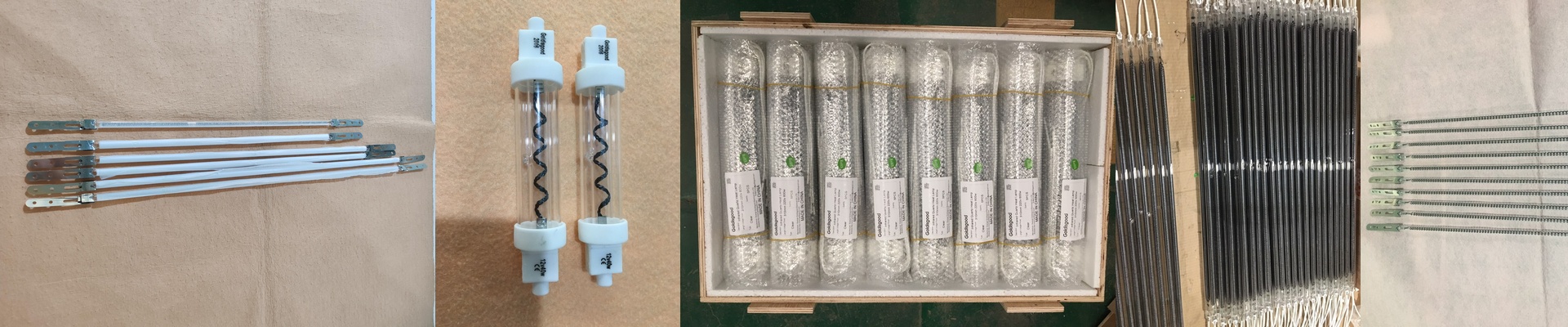
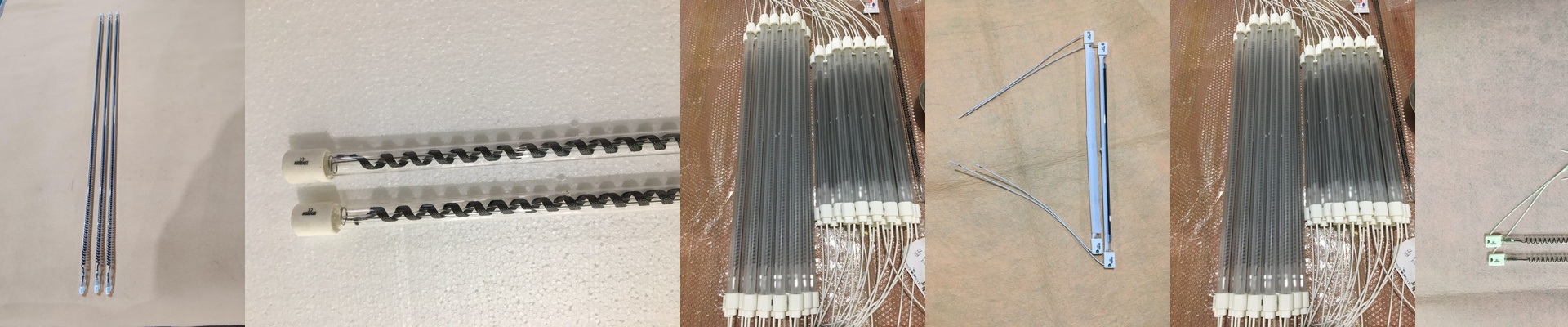
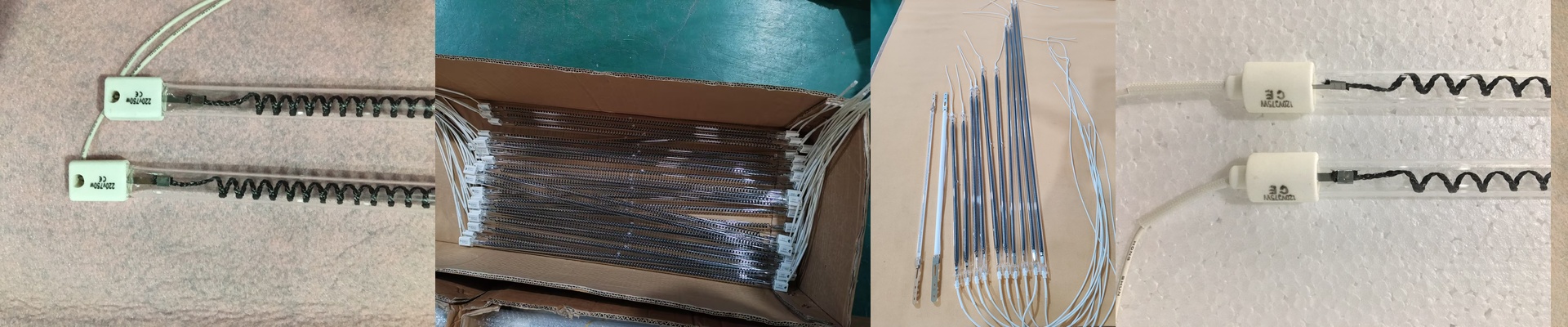
We went with shortwave infrared for a reason. It digs deeper into the brake pad composite than longwave does, which means you spend way less time waiting for things to cure. Plus, the quartz glass is reinforced. It’s meant to take a beating in a loud, messy industrial shop. And because nobody wants to be soldering wires in the middle of a midnight breakdown, we use standard industrial connectors. They’re basically drop-in replacements. You just swap the module and get the line moving again. No fuss.
Making it Work on the Floor
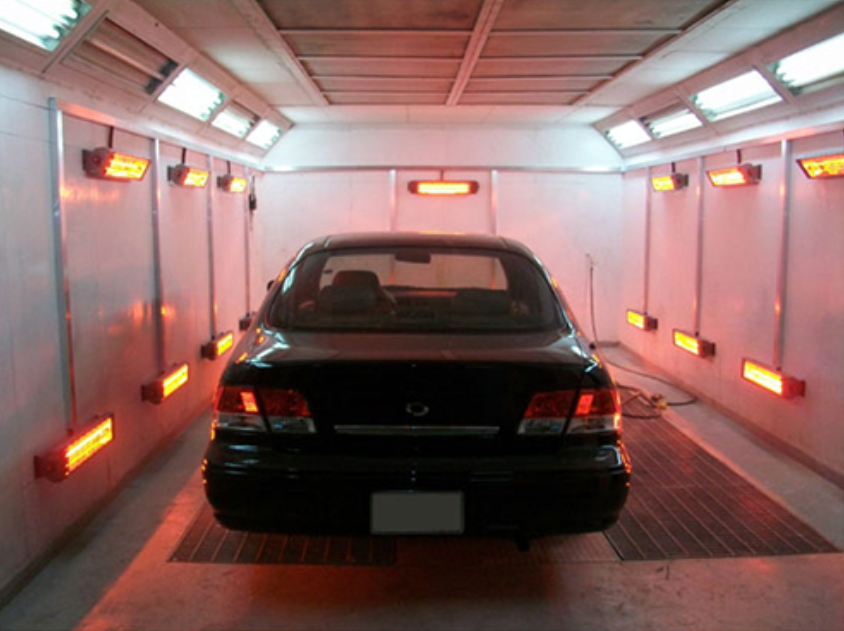
Adding these modules to a custom line is one thing, but managing the heat they throw off is another. A bank of these heaters generates a massive amount of radiant energy. If you don’t get your shielding and cooling fans right, you’re going to fry your sensors and wiring harnesses. It’s a mess. But when the cooling is dialed in, the modules stay at a safe temperature. This stops the filaments from burning out early and keeps your output steady, shift after shift.