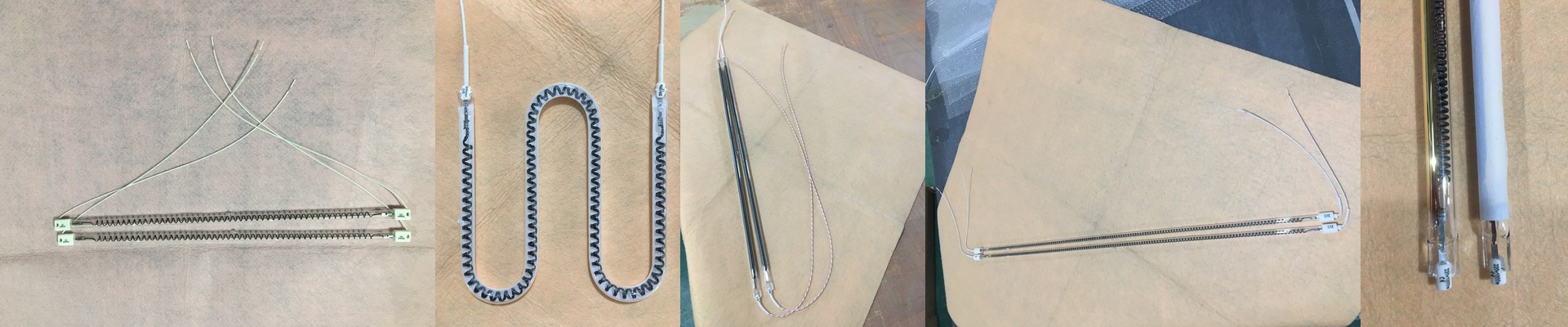
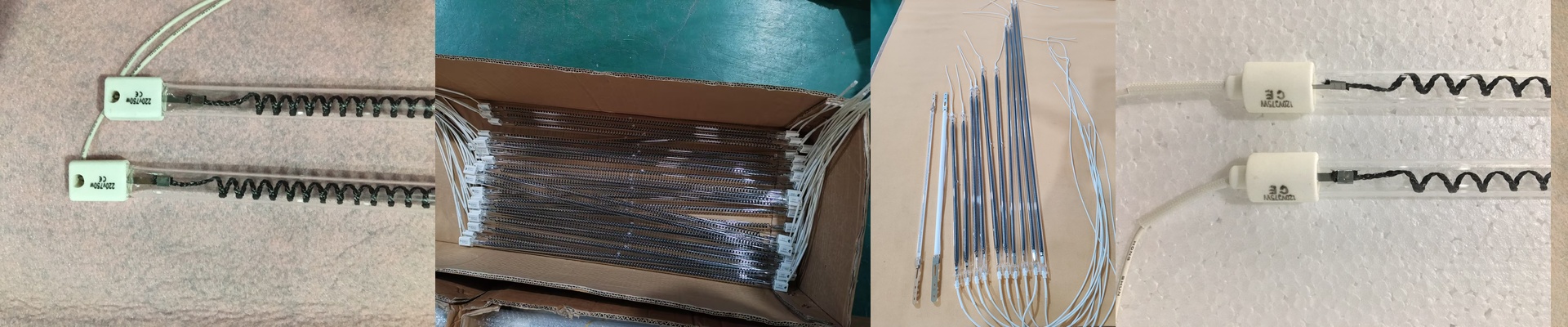
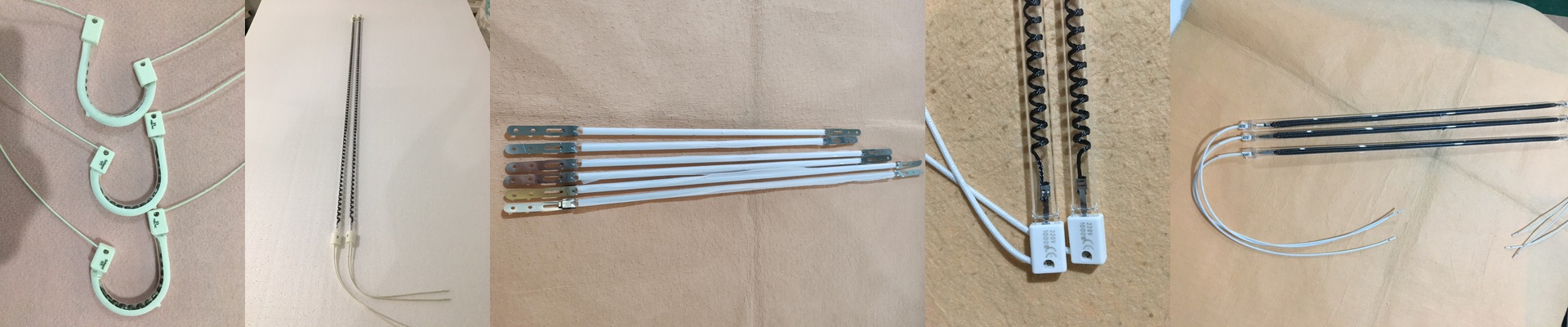
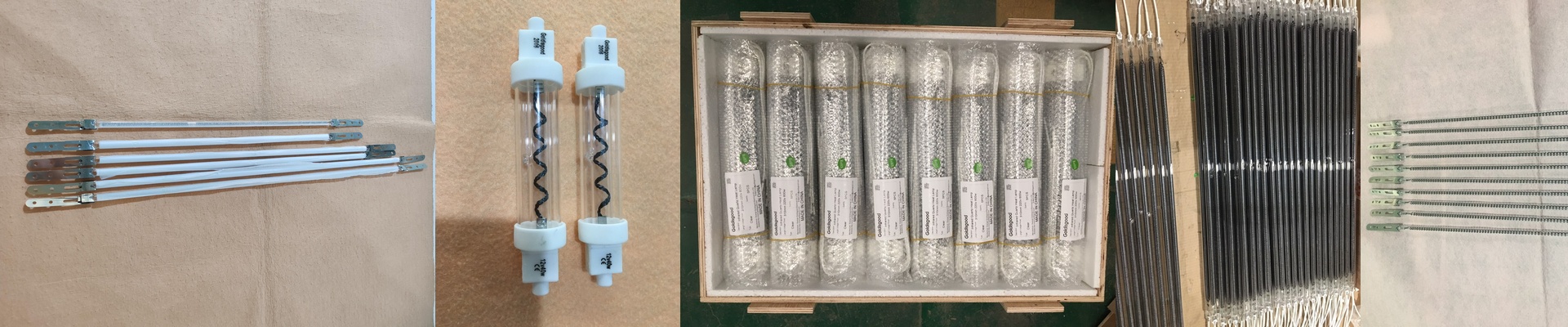
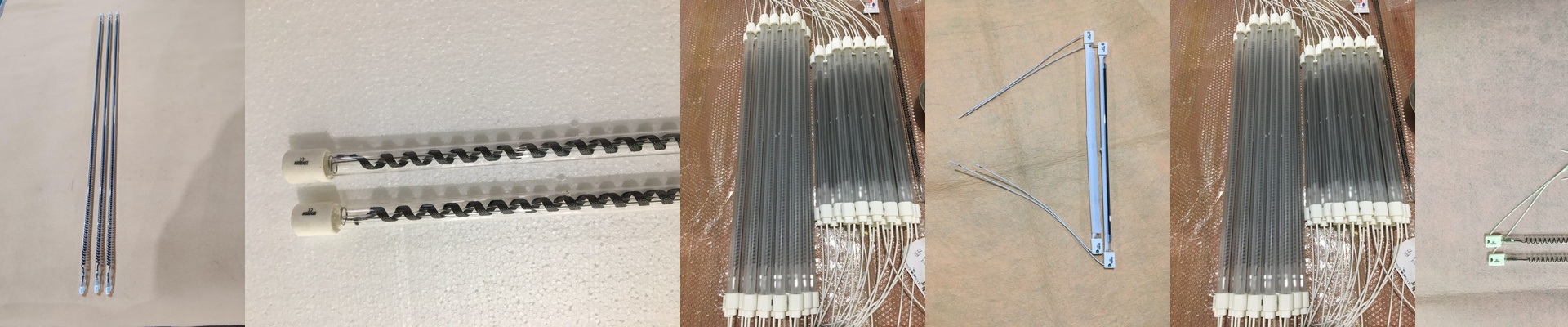
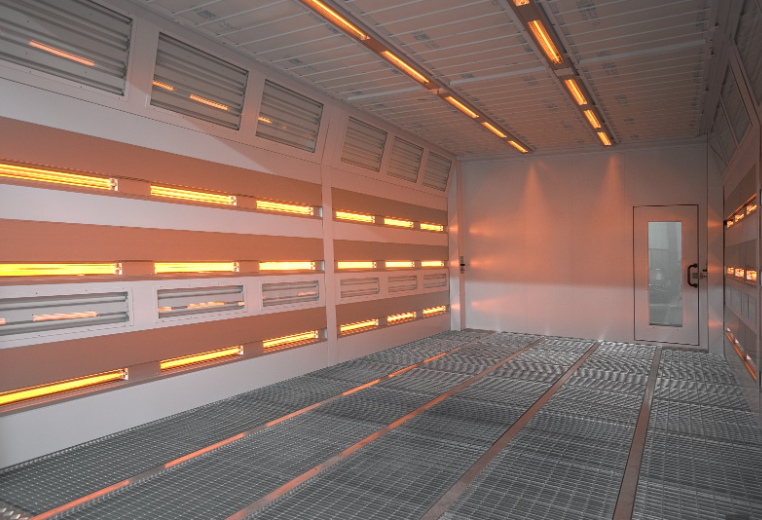
Ever wonder why brake pads squeal? Most people blame the installation or the rotors, but the real culprit usually starts way back in the curing oven. Here’s the deal: when friction materials don’t cure evenly, you end up with internal stress and weird density pockets inside the pad. That’s where the vibration comes from. Standard convection ovens just blast the surface with hot air, which often leaves the core under-cured. It’s like trying to thaw a frozen steak by leaving it on the counter—the outside is warm, but the middle is still ice. We handle this differently using shortwave infrared (IR). Instead of relying on hot air, we use high-intensity quartz lamps. We’ve tuned these wavelengths to hit the friction resins exactly where they need it. The energy doesn’t just sit on the surface; it dives straight into the core of the pad. Because the resin cross-links at the same speed from the center to the edge, you get a uniform piece of material. No weak spots. No density gaps. Just a quiet pad. Setting this up is pretty straightforward. We focus on high heat flux, and by tweaking the wattage and the distance from the lamp, we can control exactly how fast the part heats up. This is key because it stops the “skin effect”—that annoying thing where the outside hardens too fast and traps gases inside the pad. You can just drop these into your existing lines or use them as a pre-heat stage. Since we use quartz envelopes, the heat transfer is direct and efficient. One heads-up, though: these IR arrays put out a lot of ambient heat. You’ll want to make sure your ventilation and cooling jackets are up to the task, otherwise, you might start overheating your conveyor parts. The best part? It’s fast. Really fast. You aren’t sitting around waiting for air to heat a part. You get a pad with consistent hardness and zero internal voids, which means way fewer warranty claims and a lot fewer angry customers complaining about noise.