A Better Way to Bond Brake Pads
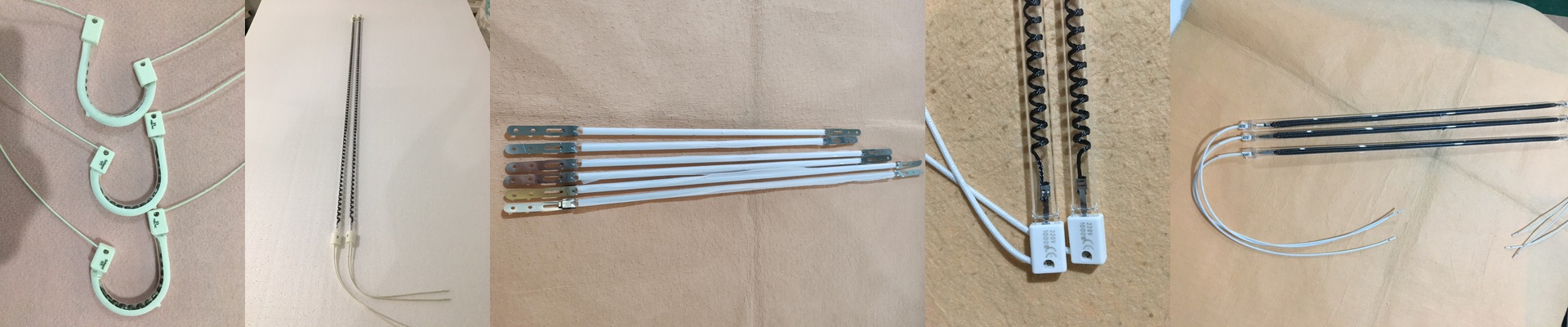
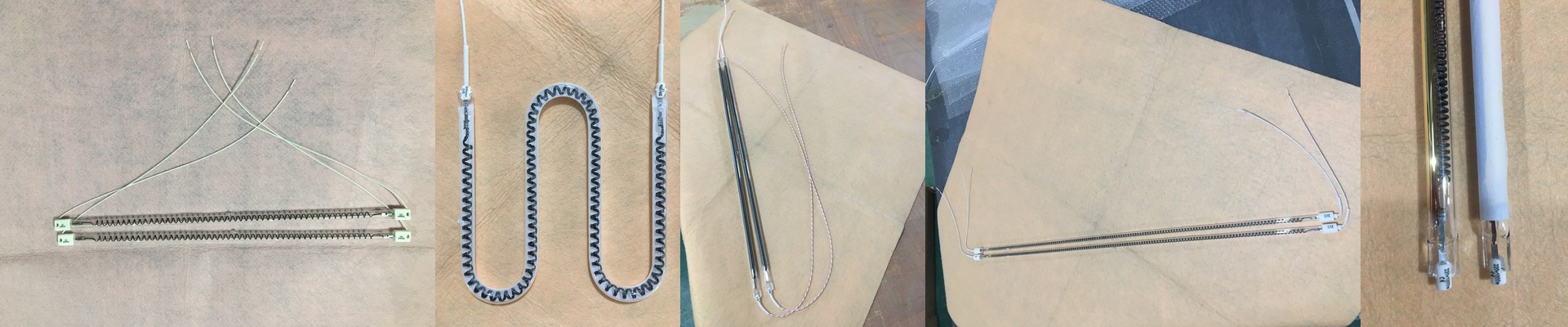
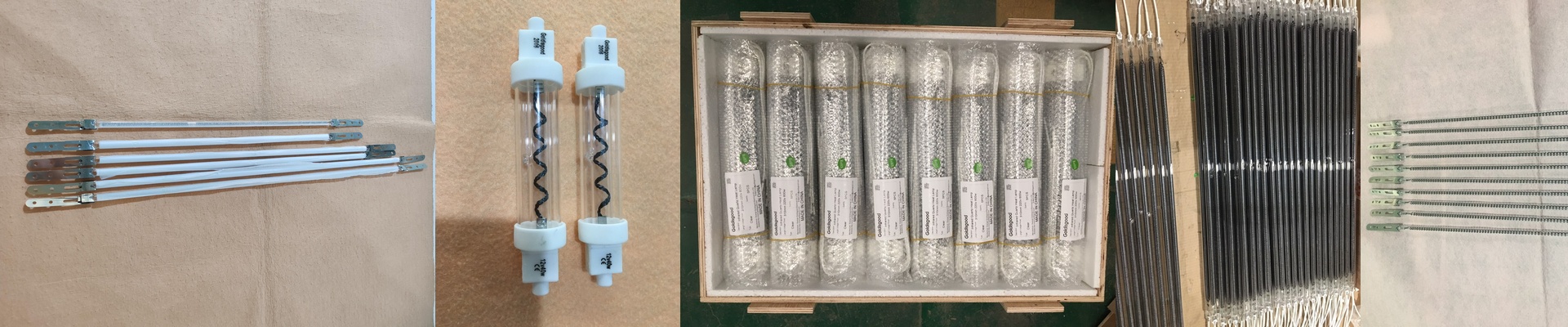
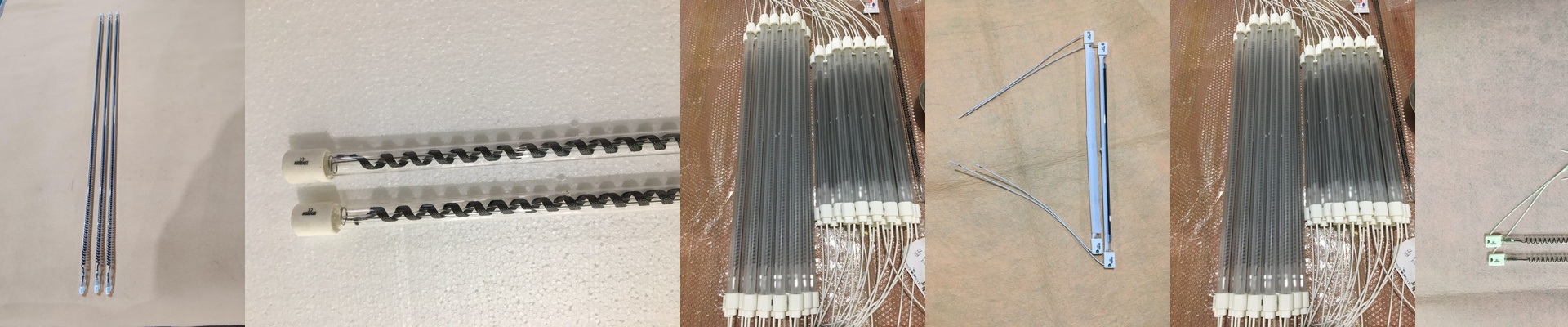
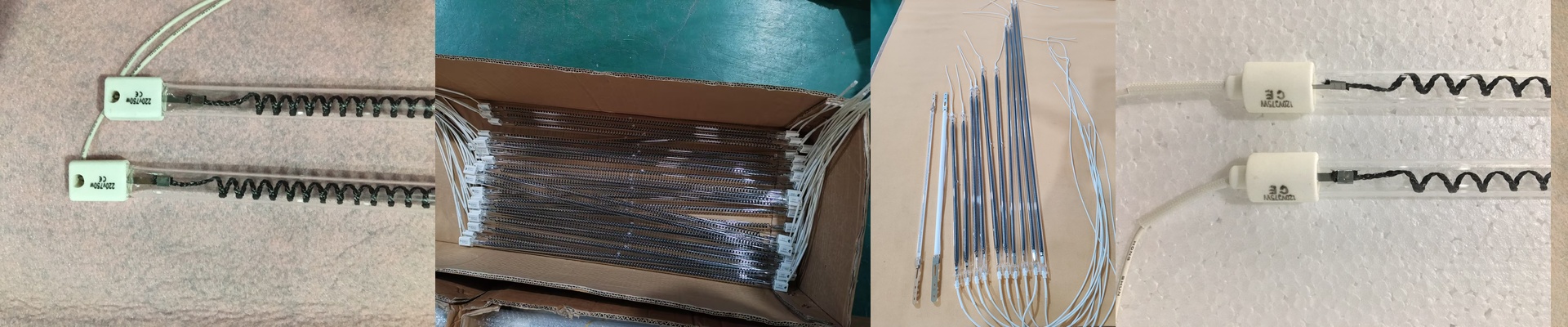
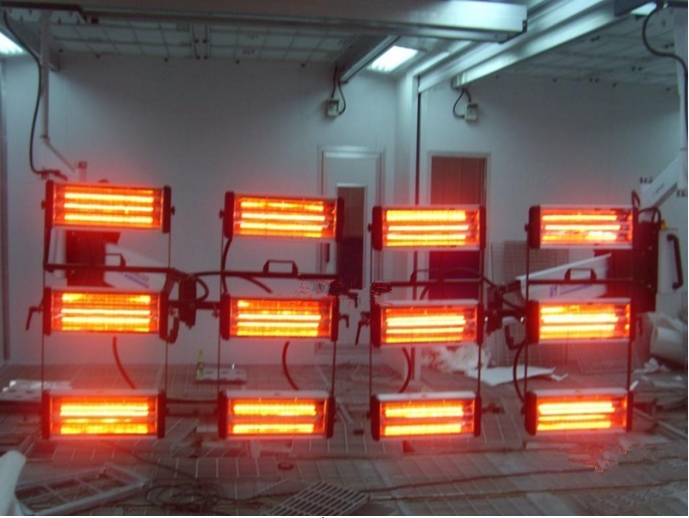
Let’s be honest: traditional convection ovens are a pain. They’re massive, they take up way too much floor space, and they waste a ton of energy just heating up the air around the part. It’s slow. We do things differently with shortwave infrared (IR) heaters. Instead of waiting for the air to get hot, IR radiation goes straight through the coating. It triggers the chemical bond from the inside out. It’s direct. It’s efficient. Saving space and time When you ditch the gas-fired convection and move to IR, your tunnel oven can shrink. Fast. Since the thermal energy hits the part immediately, you reach that curing temperature in a fraction of the time. You’ve got two choices here: you can crank up your line speed to get more pads out the door, or you can just build a shorter oven. This is a lifesaver for plants that are bursting at the seams but need to boost their output. The nuts and bolts Friction materials are dense, so you need some real muscle to get the heat in there. We use high-wattage quartz lamps for this. They put out a concentrated burst of energy that targets the bonding resins exactly where they need it. Just a heads-up: make sure your power supply matches the lamp wattage, or you’ll be replacing burnt-out lamps way too often. Control is where the magic happens. I always suggest zoned PID controllers. It keeps the pads from scorching at the start of the tunnel while making sure the core is fully cured by the time they roll out the other end. The trade-offs Now, IR is fast, but it’s a bit temperamental. A convection oven keeps the air warm even if things pause, but IR heat vanishes the second the power cuts. If your conveyor belt stutters or stops, you’re in trouble. You’ll end up with uneven curing or, worse, scorched pads. To avoid a pile of scrap, you need a rock-solid interlock between your conveyor drive and the heater banks. And don’t forget the cooling fans—you’ll need ones that can actually handle the heat soak around those lamp housings.