Getting the Heat Right: Why Your Brake Pad Material Actually Matters
If you’re curing brake pads, you already know that getting the heat to soak all the way through is the hardest part. Here’s the thing: you can’t just grab any IR lamp and hope for the best. Using the same lamp for ceramic pads that you use for semi-metallics is a recipe for disaster. Why? Because these materials don’t “drink” heat the same way. If your wavelength is off, you’ll end up with a pad that’s scorched on the outside but basically raw in the middle. Nobody wants that.
It’s all about the absorption
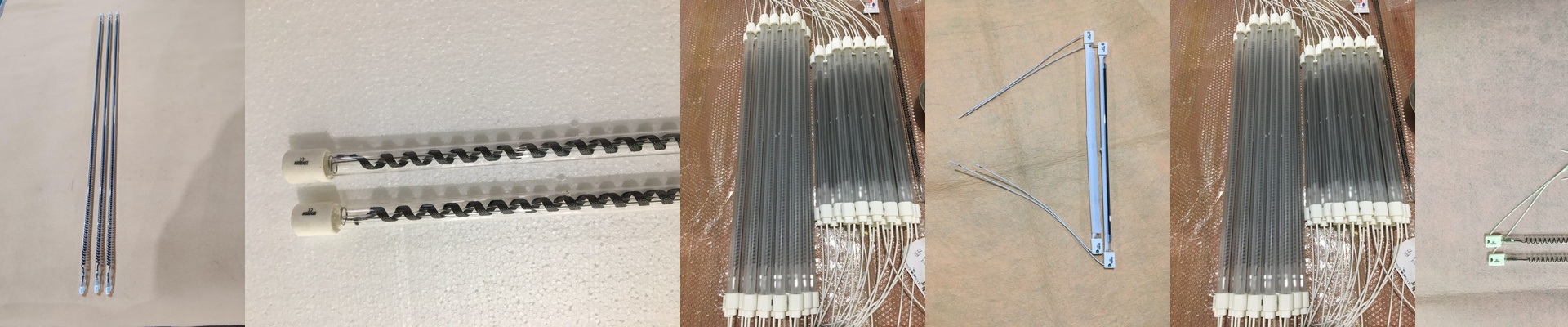
Think about what’s actually inside the pad. Semi-metallics are packed with steel and copper. Those materials love to bounce heat right back. Shortwave IR just hits them and ricochets off. Ceramics are a different story. They’re more porous, so they soak up heat differently. To fix this, we don’t just turn up the dial. We actually tweak the filament temperature and the quartz coating. This shifts the light spectrum so the heat actually sinks into the material instead of just glancing off the surface.
No “one size fits all” here
I’ve seen too many people try to find a universal tube. It doesn’t exist. We have to look at your specific setup—how fast your conveyor is moving and how heavy those pads are—to figure out the right wattage and voltage. Sure, bumping up the wattage gives you more heat density, but it puts a lot more pressure on your power supply. And a word of caution: if you crank the power too high without moving the lamps further away, you’ll fry the organic binders in the friction material. Then you’ve just ruined a perfectly good batch.
Making it work on your line
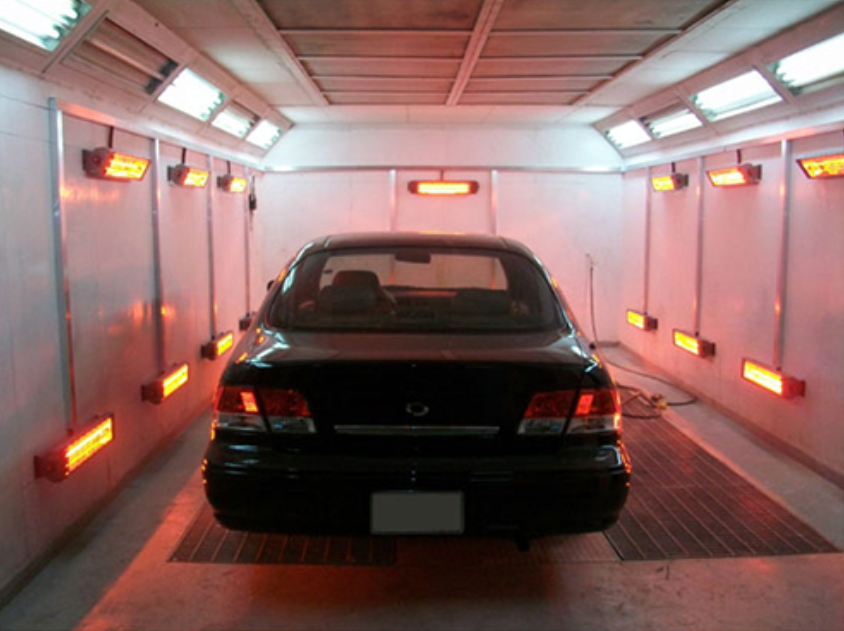
Getting these lamps wired into your existing line is the easy part. The real challenge is the heat. These high-output lamps gethot. Like, “melt your surroundings” hot. If your housing doesn’t have great ventilation or some kind of active cooling, your reflectors are going to warp. It’s a mess you don’t want to clean up. Our approach is simple. We get the wavelength dialed in first. Once the material is actually absorbing the heat, then we adjust the power to hit your cure time. It’s the only way to kill that “cold core” problem that happens with those generic heaters.